

Why Sustainable Bio-based Plastic Is Transforming Modern Manufacturing?
2026-06-18
In recent years, the global materials industry has been undergoing a significant transition driven by environmental regulations, carbon neutrality goals, and consumer demand for greener alternatives. Among the most promising innovations, Sustainable Bio-based Plastic has emerged as a key solution that bridges performance and environmental responsibility. Unlike traditional petroleum-based plastics, it is derived partially or fully from renewable biological resources such as corn starch, sugarcane, or cellulose. As industries search for scalable eco-materials, companies like Jiangsu Jinhe High-tech Co., Ltd. are actively contributing to the development and commercialization of advanced bio-based polymer solutions that meet both industrial and sustainability requirements.
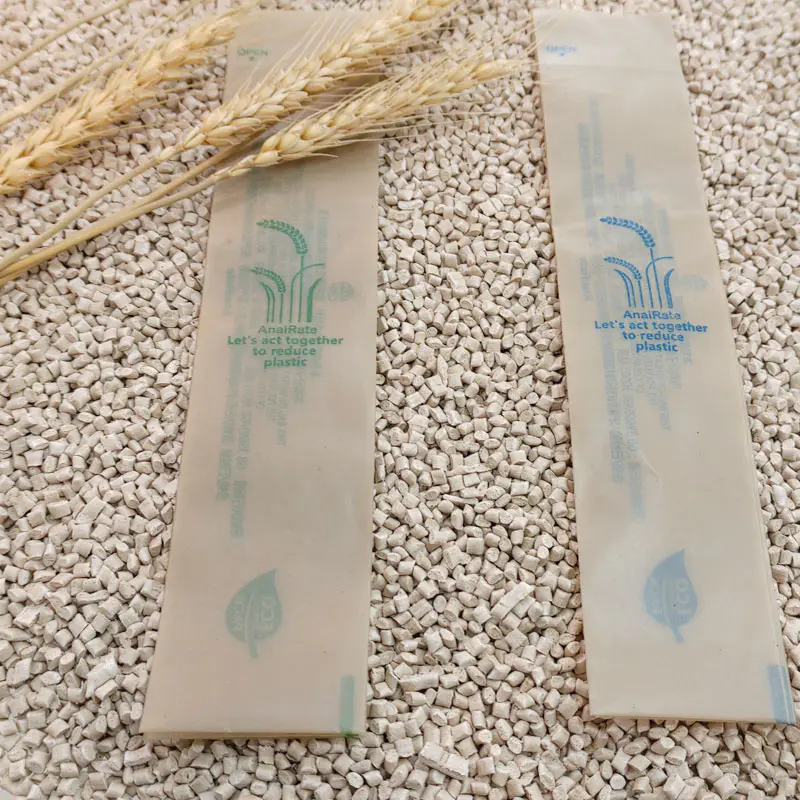
What Is Sustainable Bio-based Plastic?
Sustainable Bio-based Plastic refers to a class of polymers produced from renewable biological sources rather than fossil fuels. These materials can be designed to be biodegradable, compostable, or recyclable depending on their molecular structure. However, not all bio-based plastics are biodegradable—this distinction is important in industrial applications.
Key characteristics include:
- Derived from renewable raw materials
- Reduced carbon footprint compared to conventional plastics
- Adjustable mechanical strength and flexibility
- Compatibility with existing manufacturing systems
Advantages of Sustainable Bio-based Plastic
The adoption of Sustainable Bio-based Plastic brings multiple benefits across environmental and industrial dimensions.
Environmental benefits:
- Reduction in greenhouse gas emissions
- Lower dependency on fossil resources
- Improved end-of-life waste management options
Industrial benefits:
- High adaptability in packaging, automotive, and electronics
- Customizable physical properties
- Strong potential for circular economy integration
Business benefits:
- Enhances brand sustainability image
- Meets increasing regulatory compliance requirements
- Opens access to eco-conscious markets
Applications Across Industries
Sustainable Bio-based Plastic is widely used across various sectors due to its versatility and performance stability.
- Packaging industry: food containers, films, and biodegradable packaging materials
- Agriculture: mulch films and plant pots
- Automotive: interior panels and lightweight components
- Consumer goods: disposable cutlery, toys, and household products
- Electronics: casing materials with improved environmental profiles
Companies such as Jiangsu Jinhe High-tech Co., Ltd. are focusing on optimizing material formulations to ensure that bio-based plastics maintain durability while improving environmental performance.
Comparison: Bio-based Plastic vs Conventional Plastic
| Feature | Sustainable Bio-based Plastic | Conventional Plastic |
|---|---|---|
| Raw material | Renewable biomass | Petroleum-based |
| Carbon emissions | Lower | Higher |
| Biodegradability | Partially or fully biodegradable (depending on type) | Non-biodegradable |
| Resource dependency | Renewable | Non-renewable |
| Environmental impact | Reduced | High pollution risk |
| Cost structure | Slightly higher but decreasing | Relatively stable |
This comparison shows that while conventional plastics still dominate in cost efficiency, Sustainable Bio-based Plastic offers long-term environmental and regulatory advantages.
Challenges in Adoption
Despite its benefits, several challenges remain in large-scale adoption:
- Higher production costs compared to fossil-based plastics
- Limited industrial composting infrastructure in some regions
- Performance limitations under extreme conditions for certain formulations
- Need for improved public awareness and recycling systems
However, ongoing research and industrial investment are rapidly closing these gaps. Manufacturers like Jiangsu Jinhe High-tech Co., Ltd. are investing in material innovation to improve heat resistance, mechanical strength, and cost efficiency.
Future Outlook and Industry Trends
The future of Sustainable Bio-based Plastic is closely tied to global sustainability policies and technological advancements. Key trends include:
- Development of fully bio-degradable high-performance polymers
- Integration with circular economy systems
- Expansion in medical and high-end industrial applications
- Cost reduction through large-scale production technologies
As innovation accelerates, bio-based plastics are expected to transition from niche applications to mainstream industrial materials within the next decade.
Conclusion
Sustainable Bio-based Plastic represents a critical step toward reducing environmental impact while maintaining industrial performance. Its applications across packaging, automotive, agriculture, and consumer goods demonstrate its versatility and growing importance in modern manufacturing. With continuous innovation from companies such as Jiangsu Jinhe High-tech Co., Ltd., the material is becoming more efficient, scalable, and economically viable.
If you are looking for reliable, high-performance bio-based plastic solutions tailored to your industry needs, contact us today to explore how we can support your sustainable material strategy and future product development.