

Why Choose Steam Rubber Tube for Industrial Applications?
2025-10-10
A Steam Rubber Tube is a flexible, heat-resistant hose designed to transport saturated steam under high pressure and temperature. It plays an essential role in a variety of industrial environments, including chemical plants, textile production, oil refineries, food processing factories, and mechanical workshops. Steam is a fundamental utility in industrial operations — used for heating, sterilization, and power generation — and the efficiency of these processes depends significantly on the quality and reliability of the steam transfer system.
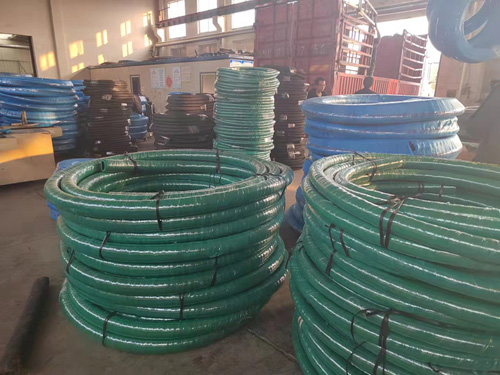
A well-engineered Steam Rubber Tube provides safe, efficient, and consistent steam conveyance. The internal rubber layer is typically made of high-grade synthetic rubber, offering excellent resistance to heat, steam, and aging. The outer layer is reinforced with braided steel wire or textile cords for high pressure durability. This structural design prevents bursting or cracking during prolonged use.
The reason industries prioritize a premium Steam Rubber Tube lies in its combination of thermal stability, pressure resistance, and chemical durability. Inferior tubes can cause energy loss, leakage, and even safety hazards. Therefore, selecting a quality Steam Rubber Tube directly influences operational safety, efficiency, and longevity of equipment.
Below is a detailed overview of the standard specifications of industrial-grade Steam Rubber Tubes:
| Parameter | Specification Range | Description |
|---|---|---|
| Inner Tube Material | EPDM, Synthetic Rubber, NBR | Resistant to steam, heat, and aging |
| Reinforcement Layer | High tensile steel wire / Synthetic fiber | Provides high burst pressure resistance |
| Outer Layer | Abrasion and weather-resistant rubber | Protects against external mechanical damage |
| Temperature Range | -40°C to +210°C | Suitable for continuous high-temperature operation |
| Working Pressure | 10 to 20 bar (150 to 300 psi) | Withstands high steam pressure applications |
| Burst Pressure | Up to 60 bar (900 psi) | Ensures enhanced safety margins |
| Inner Diameter Range | 10 mm to 100 mm | Compatible with various industrial fittings |
| Color Options | Black, Red, Custom | Color-coded for identification and safety |
| Applications | Steam cleaning, textile finishing, chemical transfer | Multi-purpose industrial use |
This professional-grade configuration ensures the Steam Rubber Tube performs safely and efficiently even under extreme thermal and mechanical conditions.
How Does a Steam Rubber Tube Work?
The working principle of a Steam Rubber Tube is straightforward yet technologically demanding. Steam generated from a boiler enters the tube at high pressure and temperature. The inner synthetic rubber layer serves as the main barrier, preventing heat and steam leakage. The reinforcement layer provides structural integrity to handle internal pressure, while the outer layer ensures mechanical protection from abrasion, weather, and chemical exposure.
In industrial operations, maintaining steam purity and pressure stability is vital. The design of the Steam Rubber Tube minimizes heat loss, enabling consistent energy delivery. Its flexibility also allows it to be used in complex piping layouts, reducing installation costs and maintenance difficulty.
Several key factors define the performance of a Steam Rubber Tube:
-
Thermal Resistance: EPDM and synthetic rubber materials resist hardening and cracking at high temperatures.
-
Pressure Tolerance: Reinforced braiding enhances internal pressure handling.
-
Chemical Compatibility: Resistant to oil, solvents, and mild acids.
-
Aging Resistance: Withstands UV, ozone, and oxidation effects during outdoor or prolonged use.
In high-demand applications — such as food sterilization or petrochemical heating systems — steam must remain at consistent pressure and temperature. The Steam Rubber Tube’s multi-layered structure allows for safe and efficient steam transport even in harsh industrial environments.
Regular inspection and proper storage can further extend the product’s lifespan. When not in use, the tube should be drained, cleaned, and stored in a dry, cool area away from direct sunlight and ozone sources.
Why Is Choosing the Right Steam Rubber Tube Critical for Your Business?
Choosing the correct Steam Rubber Tube is more than just selecting a heat-resistant hose. It’s about ensuring safety, reliability, and cost efficiency for your entire system. Poor-quality hoses may result in:
-
Steam leaks and energy waste, leading to increased operational costs.
-
Equipment downtime caused by pressure failure or hose rupture.
-
Safety risks due to high-temperature steam exposure.
Here are the main reasons why investing in a certified, industrial-grade Steam Rubber Tube pays off:
-
Safety Assurance: Prevents burst or steam leaks that can cause injuries or system failures.
-
Energy Efficiency: Reduces heat loss and maintains stable pressure flow.
-
Long Service Life: Durable materials minimize replacement frequency.
-
Compliance: Meets international industrial standards (ISO, EN, or SAE).
-
Adaptability: Available in multiple diameters and custom configurations.
For large-scale facilities, the total lifecycle cost of steam equipment can be reduced by up to 30% when using a high-quality hose system. The enhanced performance also means better temperature control, cleaner operations, and reduced maintenance frequency.
Common Applications of Steam Rubber Tube:
-
Food and beverage sterilization systems
-
Textile drying and finishing processes
-
Chemical plant heating and distillation
-
Oil refinery steam pipelines
-
Machinery cleaning and surface treatment
A correctly installed and maintained Steam Rubber Tube ensures smooth operation and consistent production performance.
How to Select and Maintain the Right Steam Rubber Tube for Optimal Performance
Selecting the most suitable Steam Rubber Tube involves evaluating operational temperature, pressure, environment, and chemical exposure. The selection process can be summarized as follows:
-
Define Working Temperature and Pressure: Choose a tube rated 20–30% higher than your maximum operating conditions for safety margins.
-
Evaluate Fluid Type: For pure steam, EPDM is ideal; for oil-laden steam, a special NBR compound performs better.
-
Check Compatibility: Ensure fittings and connectors match the hose dimensions and standards.
-
Inspect Reinforcement Type: For heavy-duty use, opt for double-braided steel reinforcement.
-
Review Certification: Verify compliance with relevant safety and quality standards.
Proper maintenance also determines the long-term performance of Steam Rubber Tubes. Here are some practical guidelines:
-
Always drain and dry the hose after use.
-
Avoid sharp bends or kinks during operation.
-
Store in a ventilated, shaded area away from heat sources.
-
Regularly inspect for cracks, bulges, or soft spots.
-
Replace damaged sections immediately to prevent system failure.
FAQs about Steam Rubber Tube
Q1: What makes a Steam Rubber Tube different from a normal rubber hose?
A Steam Rubber Tube is specifically designed to withstand high temperatures and pressure, typically up to 210°C. Its inner layer resists heat and steam, while the reinforced outer layer prevents bursting. Regular rubber hoses cannot handle continuous high-temperature steam and may fail under stress.
Q2: How long does a Steam Rubber Tube last in industrial use?
The lifespan depends on operational conditions and maintenance. Under standard industrial use (continuous steam exposure at 180–200°C), a high-quality Steam Rubber Tube can last between 2 to 5 years with regular inspection and proper storage.
Fushuo’s Commitment to Quality and Safety
In today’s competitive industrial environment, selecting the right Steam Rubber Tube means securing operational reliability and safety. High-quality hoses are essential to maintaining process efficiency, reducing downtime, and ensuring personnel safety.
Fushuo, a trusted manufacturer with years of industrial experience, provides durable and precision-engineered Steam Rubber Tubes suitable for demanding applications across multiple sectors. Each product is tested under rigorous conditions to ensure consistent performance, safety, and longevity.
If you are looking for reliable, high-performance Steam Rubber Tubes, contact us today to learn how Fushuo can provide customized solutions for your steam systems and help your business achieve safer and more efficient operations.