

Which Waterproof Tarp Delivers Reliable Protection for Demanding Outdoor Applications?
2026-09-30
A Waterproof tarp is more than a simple sheet used to keep rain away. For construction, agriculture, transportation, logistics, outdoor storage, equipment protection, and temporary shelters, the right tarp can help prevent water damage, reduce maintenance, and protect valuable materials from changing weather conditions. Its actual performance depends on factors such as fabric structure, coating, thickness, seam construction, UV resistance, edge reinforcement, and intended application. PVC-coated polyester is commonly selected for demanding outdoor applications because it can combine waterproofing, abrasion resistance, strength, and fabrication flexibility, while PE tarps are often preferred when lightweight handling and economical coverage are priorities.
For businesses sourcing customized protective covers, Haining Bloom Advance Tarpaulin Co., Ltd. provides a practical manufacturing option for projects that require reliable tarpaulin performance and application-specific specifications. Rather than treating every project as a standard-size cover, professional tarp production considers the actual environment, dimensions, fastening method, and expected service conditions.
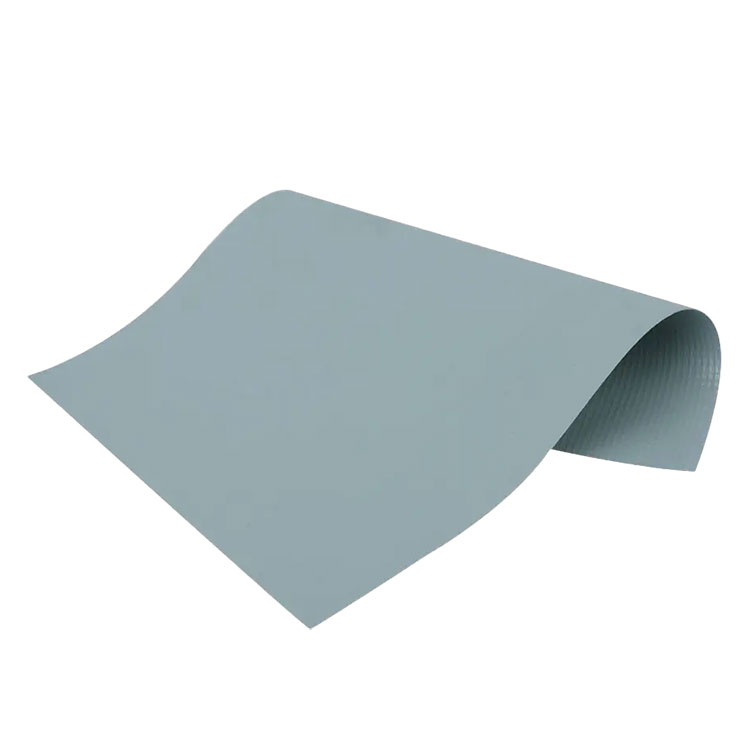
Why Is a Waterproof Tarp Important?
Outdoor materials are constantly exposed to rain, sunlight, wind, dust, and temperature changes. Without suitable protection, moisture can cause corrosion, staining, mold growth, material deterioration, or damage to stored goods.
A properly designed Waterproof tarp creates a physical barrier between the protected object and the surrounding environment. Its main functions include:
- Blocking rainwater and surface moisture
- Protecting cargo during transportation
- Covering construction materials and machinery
- Reducing exposure to sunlight and UV radiation
- Providing temporary protection during outdoor projects
- Helping keep agricultural products and equipment dry
- Supporting customized storage and shelter solutions
Waterproofing is not determined by the fabric alone. A waterproof material can still develop leakage if seams, hems, corners, or eyelet areas are poorly constructed. For finished tarps, material selection and fabrication quality therefore need to be considered together.
How Does a Waterproof Tarp Work?
A high-performance tarp normally combines several structural elements to create a complete protective system.
Waterproof Surface
The coating or laminated layer forms the primary barrier against water. PVC-coated polyester, for example, combines a polyester base with a PVC coating that helps create a continuous protective surface.
Reinforced Fabric Structure
The internal woven fabric provides tensile and tear resistance. This is particularly important when a tarp is pulled tightly, folded repeatedly, exposed to wind, or transported together with heavy cargo.
Sealed or Reinforced Seams
Water can enter through weak seams even when the main fabric is waterproof. Depending on the application, welding, reinforced stitching, hems, webbing, and other construction methods can improve overall protection.
Strong Edges and Attachment Points
Grommets, ropes, webbing, reinforced corners, and strengthened hems help distribute tension when the tarp is secured. This reduces stress concentration around fastening points and can improve practical service performance.
Which Material Is Suitable for Different Applications?
Different tarp materials offer different combinations of weight, durability, waterproofing, and cost. The appropriate choice depends on the working environment rather than simply selecting the thickest available material.
| Material | Key Characteristics | Typical Applications |
|---|---|---|
| PE / Polyethylene | Lightweight, economical, waterproof | Temporary covers, agriculture, construction |
| PVC-Coated Polyester | Strong, waterproof, abrasion-resistant, customizable | Truck covers, industrial protection, equipment covers |
| Vinyl | Heavy-duty structure and strong weather protection | Transportation and repeated outdoor use |
| Canvas | Breathable and suitable for applications where airflow matters | General covers, shading, specialty applications |
PE tarps are generally easier to handle and cost-effective for temporary or general-purpose protection, while PVC-coated products are frequently used for heavier-duty applications requiring repeated outdoor exposure.
What Effects Can a Quality Waterproof Tarp Provide?
The value of a Waterproof tarp can be measured through its practical effect on the protected materials.
1. Better moisture protection
A properly manufactured tarp helps prevent rainwater from directly contacting cargo, machinery, building materials, or stored products.
2. Reduced outdoor exposure
UV-resistant materials and suitable surface treatments can help slow degradation caused by prolonged sunlight. UV performance varies according to the material formulation and treatment, so buyers should confirm the required specification with the manufacturer.
3. Improved handling efficiency
The right combination of weight, flexibility, reinforcement, and dimensions makes installation and removal easier for workers.
4. Longer practical usability
A tarp designed for its actual working environment can better withstand repeated folding, tying, movement, abrasion, and outdoor exposure.
Where Can Waterproof Tarps Be Used?
The versatility of waterproof tarpaulin makes it useful across multiple industries.
Transportation and Logistics
Truck and trailer covers need to protect cargo from rain, dust, and road conditions. Durable coated tarps can also be manufactured with reinforced edges and fastening points for repeated use.
Construction
Construction sites often require temporary protection for steel, timber, machinery, tools, and other materials. A waterproof cover can help reduce direct exposure to unpredictable weather.
Agriculture
Farmers and agricultural businesses can use tarps for equipment, crop-related storage, temporary shelters, and material protection. Lightweight PE options may be practical for temporary applications, while heavier materials can be considered for longer outdoor exposure.
Industrial Storage
Factories and warehouses may use customized covers to protect machinery, raw materials, pallets, and equipment stored outdoors.
Outdoor and Commercial Projects
Canopies, temporary shelters, event structures, outdoor storage, and customized protective systems can all benefit from waterproof tarpaulin when the fabric and construction are matched to the application.
How Should Buyers Choose a Waterproof Tarp?
Before placing a bulk or customized order, buyers should evaluate several specifications rather than focusing only on price.
- Application: What exactly will the tarp cover?
- Size: What finished dimensions are required?
- Material: PE, PVC-coated polyester, vinyl, or another construction?
- Weight: Is lightweight handling important?
- Weather exposure: How much rain, sunlight, wind, or temperature variation will it experience?
- Reinforcement: Are reinforced hems, corners, or eyelet areas required?
- Seams: Should seams be stitched, welded, or otherwise sealed?
- Color and appearance: Does the project require a specific color or finish?
- Customization: Are special shapes, dimensions, logos, or packaging needed?
For B2B procurement, these specifications are especially important because two products described simply as "waterproof tarps" can have significantly different structures and performance characteristics.
Why Work With Haining Bloom Advance Tarpaulin Co., Ltd.?
For professional buyers, selecting a supplier is not only about obtaining a waterproof sheet. It is about finding a manufacturing partner capable of matching product specifications with the actual application.
Haining Bloom Advance Tarpaulin Co., Ltd. focuses on tarpaulin solutions for customers requiring practical outdoor protection and customized product requirements. By considering material selection, dimensions, construction details, reinforcement, and application conditions, the company can support buyers looking for tarpaulin products beyond standard off-the-shelf specifications.
For distributors, importers, contractors, agricultural businesses, logistics companies, and industrial buyers, customized production can also make it easier to align the finished tarp with specific project requirements.
Final Considerations
A Waterproof tarp plays an important role in protecting goods, equipment, materials, and outdoor spaces from moisture and environmental exposure. However, waterproofing should never be evaluated by the material name alone. Fabric structure, coating, reinforcement, seams, fastening points, UV requirements, and application conditions all influence the final result.
For short-term and lightweight protection, PE tarps may provide a practical solution. For demanding outdoor applications, PVC-coated polyester and other heavy-duty constructions can offer stronger protection and greater customization potential.
If you are looking for customized sizes, material options, reinforced construction, or bulk Waterproof tarp solutions for your business, Haining Bloom Advance Tarpaulin Co., Ltd. can help you evaluate the appropriate specifications for your application. Contact us to discuss your requirements and develop a tarpaulin solution designed around your project needs.