

Which Biodegradable Tableware Materials Can Help Food Packaging Brands Win Safer and Greener Orders?
2026-05-13
When I talk with food packaging buyers, restaurant supply distributors, and tableware manufacturers, I often hear the same concern repeated in different ways: they want greener products, but they cannot afford unstable materials, weak performance, or production delays. That is why I pay close attention to companies such as Materials Technology (Jiangsu) Co., Ltd., which focuses on practical material solutions for disposable food service products. For brands that need reliable molding performance, food contact suitability, and better environmental positioning, Biodegradable Tableware Materials are becoming a serious option rather than a simple marketing label.
I do not see biodegradable tableware as a passing trend. In my view, it is becoming part of how food service businesses manage compliance pressure, consumer expectations, and brand image at the same time. Whether the final product is a lunch box, sauce cup, beverage cup, straw, cutlery item, or takeaway container, the raw material must support daily production realities. It needs to resist cracking, hold shape, process smoothly, and deliver a finished product that customers are willing to trust.
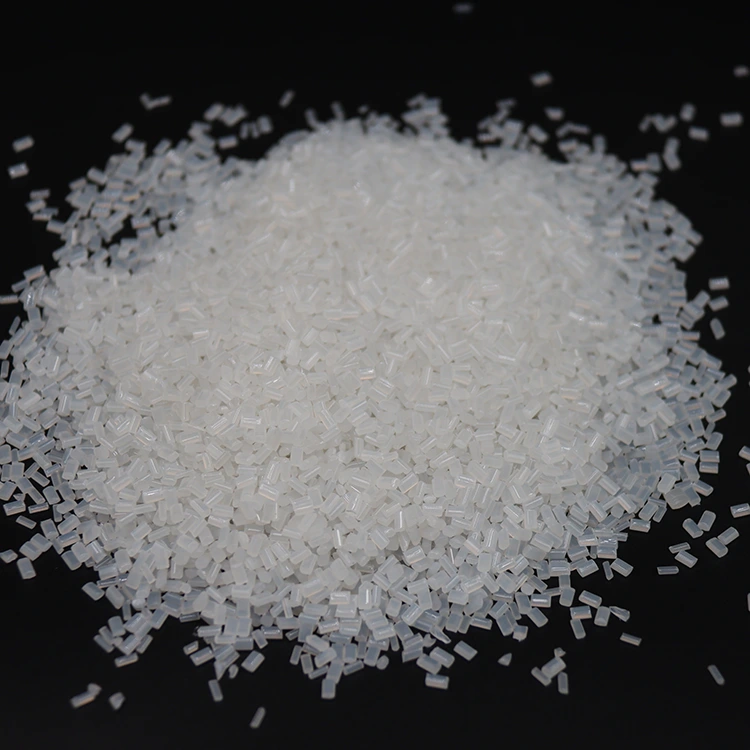
What Makes Biodegradable Tableware Materials Worth Considering for Food Service Packaging?
The biggest reason I recommend evaluating Biodegradable Tableware Materials is that food packaging buyers no longer look only at price per kilogram. They also care about how the material performs in real use. A disposable lunch box may look simple, but it must handle stacking, transportation, temperature changes, oil contact, and customer handling. If the material fails, the buyer does not simply lose one order; they may lose confidence from a restaurant chain, catering group, or retail packaging client.
Good biodegradable tableware material should help manufacturers balance several goals at once:
- Improve environmental value without making production unnecessarily difficult.
- Support stable forming, molding, or processing performance.
- Maintain enough rigidity for takeaway and catering applications.
- Offer better resistance for hot food, greasy food, and beverage packaging scenarios.
- Help finished tableware brands meet market demand for more responsible disposable products.
From a buyer’s perspective, the strongest material is not always the one with the most impressive claim. It is the one that can be used repeatedly in production with predictable results. That is where Biodegradable Tableware Materials can create real purchasing value when they are engineered for practical food packaging applications.
Which Buyer Problems Can Biodegradable Tableware Materials Help Solve?
I usually start with the buyer’s pain points before discussing material advantages. Many tableware manufacturers want to enter the sustainable packaging market, but they worry about inconsistent raw material quality. A slight change in melt behavior, strength, or flexibility can affect the final product. For high-volume buyers, even small instability can turn into wasted production time and unnecessary cost.
Another problem is application mismatch. A material that works for a cold beverage lid may not be ideal for a hot takeaway container. A straw material may need different flexibility and heat resistance compared with a sauce cup material. This is why I prefer discussing Biodegradable Tableware Materials according to product use, not just according to a broad environmental category.
| Buyer Concern | Why It Matters | Material Value |
|---|---|---|
| Processing stability | Factories need predictable forming and molding results. | Suitable materials can reduce trial-and-error during production. |
| Heat and oil contact | Takeaway meals often contain hot, wet, or greasy food. | Material selection can improve end-use reliability. |
| Finished product strength | Weak tableware may crack, deform, or leak during transport. | Proper rigidity helps protect user experience. |
| Brand differentiation | Restaurants and food brands want packaging that supports a greener image. | Biodegradable positioning can improve market appeal. |
| Supply consistency | Bulk buyers need steady material availability for repeat orders. | A reliable supplier helps support long-term procurement planning. |
How Do Biodegradable Tableware Materials Support Different Disposable Food Packaging Products?
I like to treat tableware material selection as an application-based decision. A milk tea cup, a disposable straw, a sauce cup, and a take-out lunch box all sit inside the food service category, but their material requirements are not identical. The right Biodegradable Tableware Materials should match the product’s shape, contact conditions, production process, and final market positioning.
For beverage packaging, appearance and consistency matter a lot. Cups and straws need stable dimensions, smooth surface quality, and suitable resistance during use. For takeaway food containers, strength and stackability become more important. For sauce cups, the buyer may care more about sealing performance, safety, and resistance to deformation. For cutlery, the material needs enough toughness so the fork, spoon, or knife does not feel fragile in the customer’s hand.
In my opinion, this is where material suppliers can create more value than a simple catalog can show. A buyer may not always know which formulation best fits their equipment or product structure. A professional supplier can help narrow the selection and reduce unnecessary sampling rounds. For manufacturers trying to upgrade from conventional disposable plastic products to greener alternatives, that guidance can be extremely useful.
Why Do Manufacturers Care About Production Efficiency When Choosing Biodegradable Tableware Materials?
Some people assume biodegradable materials are selected only for environmental reasons. I disagree with that narrow view. In real purchasing conversations, production efficiency is often just as important. If a material causes frequent machine adjustment, poor forming, unstable output, or high scrap rates, the buyer may abandon it even if the sustainability story sounds attractive.
That is why I always look at whether Biodegradable Tableware Materials can fit existing manufacturing needs. Tableware producers often work under tight delivery schedules, especially when serving restaurants, supermarkets, beverage chains, airlines, or event catering suppliers. They need raw materials that support repeatable output and help keep production moving.
Useful material performance may include:
- Good flow behavior for shaping and processing.
- Stable performance across batch production.
- Suitable mechanical strength for finished tableware.
- Compatibility with common disposable tableware manufacturing methods.
- Balanced cost performance for bulk procurement.
For me, this is the practical side of green packaging. A material does not help the market if factories cannot use it efficiently. The more easily a buyer can move from sample testing to stable production, the more likely the material is to support long-term business.
Which Advantages Matter Most to Food Packaging Buyers?
When I evaluate Biodegradable Tableware Materials, I do not only ask whether the material is environmentally friendly. I also ask whether it can help a buyer sell better, produce better, and respond faster to market demand. A tableware manufacturer is usually not buying material for one small batch. They want a solution that can support regular orders and help them serve their own customers more confidently.
The main advantages I would highlight are:
- Better market positioning: Sustainable tableware materials help brands respond to the growing preference for greener disposable products.
- Broader product application: The material can be considered for cups, straws, lunch boxes, sauce cups, cutlery, and other food service items.
- Improved buyer confidence: Reliable raw material performance makes it easier for manufacturers to quote, sample, and scale orders.
- Practical user experience: Finished products need to feel strong, safe, and suitable for real food service situations.
- Support for brand responsibility: Restaurants and packaging brands can use greener tableware as part of their public-facing sustainability efforts.
In today’s market, buyers are not impressed by vague environmental promises. They want materials that can survive actual production and actual customer use. That is why well-developed Biodegradable Tableware Materials are valuable for manufacturers that want both sustainability appeal and commercial practicality.
How Can Buyers Choose the Right Biodegradable Tableware Materials?
Before placing an order, I would suggest buyers define the final product clearly. Is the material for hot food containers, cold drink cups, sauce cups, straws, or disposable cutlery? Will the product face high temperature, oil contact, long-distance delivery, or heavy stacking? These details matter because they influence material selection and testing standards.
I would also ask the supplier practical questions instead of relying only on broad product descriptions:
- What type of tableware product is this material most suitable for?
- Can it support the buyer’s existing production method?
- How stable is the material during continuous production?
- What performance should the buyer test before bulk purchasing?
- Can the supplier support repeat orders and consistent delivery?
This approach helps prevent a common mistake: choosing a material because the name sounds right, then discovering later that it does not fit the intended application. A better purchasing process starts with use conditions, production needs, and target market expectations.
Do Biodegradable Tableware Materials Help Brands Build Stronger Customer Trust?
Yes, I believe they can, especially when the final product performs well. Customers are more aware of packaging waste, and food service brands are under pressure to show responsibility without sacrificing convenience. However, trust is built through experience. If a biodegradable container leaks or a straw bends too easily, the customer will remember the failure more than the environmental claim.
That is why the material must support both image and function. Strong Biodegradable Tableware Materials help manufacturers create disposable products that feel reliable in the customer’s hand. This matters for takeaway platforms, restaurant chains, catering suppliers, beverage brands, and event service companies. A greener product becomes more convincing when it also works smoothly in daily use.
For B2B buyers, this creates a stronger sales argument. They can tell their customers that the tableware is designed for responsible use while still meeting practical food service requirements. That combination is much easier to sell than a product that only relies on one environmental selling point.
What Should Buyers Do Before Sending an Inquiry?
Before contacting a supplier, I would prepare basic information about the intended product, expected order volume, processing method, performance requirements, and target market. This makes the conversation faster and more useful. If the buyer can provide details such as product size, thickness, temperature conditions, or current material challenges, the supplier can recommend a more suitable direction.
For companies planning to develop greener disposable food packaging, Biodegradable Tableware Materials can be a practical starting point. They can help manufacturers respond to sustainability trends, improve product positioning, and support the production of tableware for restaurants, takeaway platforms, beverage shops, catering services, and retail packaging channels.
If you are looking for suitable raw materials for biodegradable cups, straws, lunch boxes, cutlery, sauce cups, or other disposable food service products, now is a good time to compare options and request professional support. Leave your inquiry today or contact us to discuss your product requirements, sample needs, and bulk purchasing plan.