

What Should You Know Before Buying GRS PE Mulch Film for Your Farm
2026-11-12
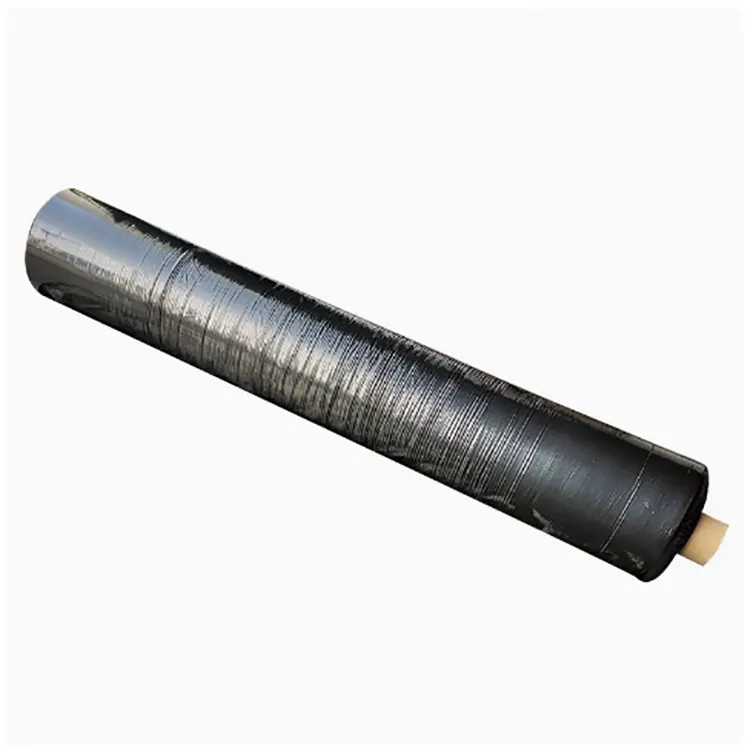
Selecting the right mulch film is a decision that affects crop performance, input costs, and long-term soil management. GRS PE Mulch Film from Synsoly is engineered to meet the demands of modern agriculture, combining durability with responsible material sourcing. Before placing an order, growers should evaluate thickness, width, UV stabilization, and supplier reliability. This guide outlines the practical factors that matter most when sourcing GRS PE Mulch Film for commercial farming operations.
Key Specifications to Evaluate
GRS PE Mulch Film is available in multiple gauges and widths, and the right specification depends on your crop, climate, and installation method. The table below summarizes common configurations and their typical applications.
| Specification | Common Range | Typical Application | Notes |
|---|---|---|---|
| Thickness | 0.008–0.030 mm | Thin films for short-season vegetables; thicker films for orchards and multi-season use | Thicker film resists puncture and supports mechanical laying |
| Width | 0.8–2.0 m | Bed widths for tomatoes, peppers, strawberries, melons | Match width to bed shape to reduce waste |
| UV Stabilization | 6–24 months | Longer protection in high-sunlight regions | Confirm UV package with supplier |
| Color | Black, silver-black, white-black | Weed suppression, pest deterrence, soil warming | Color choice affects soil temperature and weed control |
| Resin Source | GRS-certified recycled content | Sustainability-focused operations | Request certification documentation |
Questions to Ask Before You Buy
Use this checklist when evaluating any GRS PE Mulch Film supplier, including Synsoly:
-
Is the recycled content certified? Ask for GRS scope certificates and traceability records.
-
What is the UV stabilization period? Confirm the expected field life matches your growing season.
-
Are tensile strength and elongation tested? Request technical data sheets for mechanical performance.
-
Can the film be laid with your equipment? Verify core diameter, roll weight, and roll length.
-
What are the delivery terms? Clarify lead times, MOQ, and shipping documentation.
-
Is after-sales technical support available? Installation guidance reduces field failures.
Performance and Sustainability Considerations
GRS PE Mulch Film offers a balance between agricultural performance and environmental responsibility. Key advantages include:
-
Weed suppression that reduces herbicide reliance and labor costs
-
Moisture retention that improves water-use efficiency in dry regions
-
Soil temperature regulation that supports earlier planting and root development
-
Recycled content that aligns with sustainability programs and buyer requirements
-
Consistent thickness for reliable mechanical installation
Synsoly supplies GRS PE Mulch Film with documented material traceability, helping growers meet procurement standards and sustainability goals.
Frequently Asked Questions
What does GRS certification mean for PE mulch film?
GRS certification verifies that the recycled content in GRS PE Mulch Film is tracked through the supply chain and meets recognized environmental and social criteria, giving buyers documented assurance of material origin.
How long does GRS PE Mulch Film last in the field?
Field life depends on thickness and UV stabilization; standard GRS PE Mulch Film grades last one to two growing seasons, while heavier gauges with extended UV packages can remain functional for up to 24 months in moderate climates.
Can GRS PE Mulch Film be recycled after harvest?
Yes, GRS PE Mulch Film is designed for recovery and recycling where collection infrastructure exists; clean film free of heavy soil contamination can be processed into new recycled resin, supporting circular use.
Contact Us
Ready to specify the right GRS PE Mulch Film for your operation? Contact Synsoly today for technical data sheets, GRS certification documents, samples, and a tailored quotation for your farm.