

What Makes Heavy Duty PE Tarpaulin a Reliable Choice for Demanding Outdoor Protection?
2026-09-07
Article Summary: Heavy Duty PE Tarpaulin is designed for applications where ordinary covers may not provide enough durability, weather resistance, or service life. From construction sites and agricultural operations to cargo protection, warehouses, transportation, and temporary outdoor structures, the right tarpaulin can help protect materials from rain, moisture, dust, sunlight, and everyday handling. This guide explains the construction, key performance characteristics, applications, selection criteria, maintenance practices, and purchasing considerations that buyers should understand before choosing a Heavy Duty PE Tarpaulin for demanding working environments.
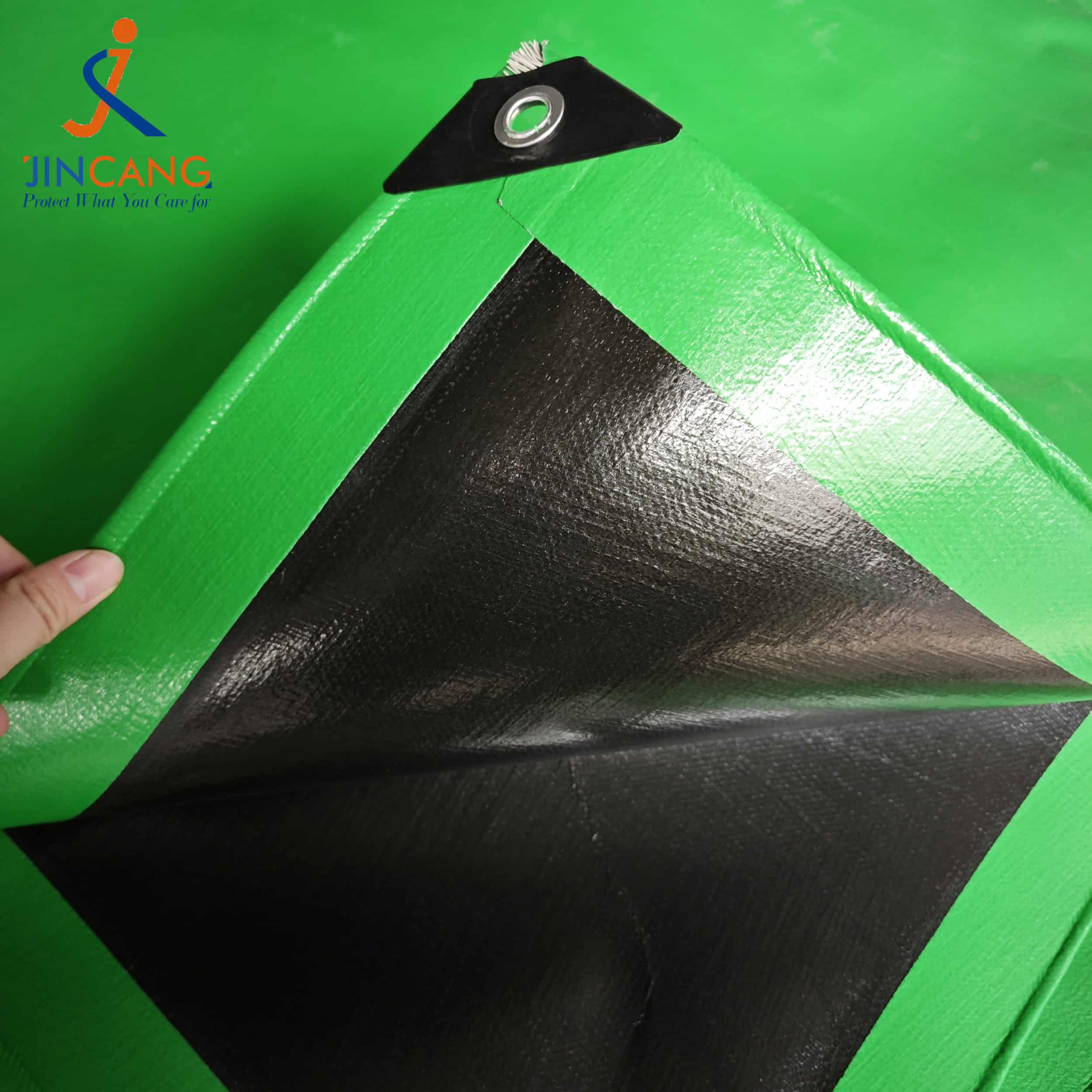
Table of Contents
- What Is Heavy Duty PE Tarpaulin?
- How Is Heavy Duty PE Tarpaulin Constructed?
- What Are the Main Features of Heavy Duty PE Tarpaulin?
- Where Is Heavy Duty PE Tarpaulin Used?
- Why Choose Heavy Duty PE Tarpaulin for Outdoor Protection?
- How Can Buyers Choose the Right Heavy Duty PE Tarpaulin?
- Heavy Duty PE Tarpaulin Compared With Other Cover Materials
- How Should Heavy Duty PE Tarpaulin Be Used and Maintained?
- Common Purchasing Mistakes to Avoid
- How Can a Professional Supplier Support Your Project?
- Frequently Asked Questions
- Conclusion
What Is Heavy Duty PE Tarpaulin?
Heavy Duty PE Tarpaulin is a reinforced polyethylene-based covering developed for applications that require stronger protection than lightweight or temporary tarps can provide. It is commonly used to cover cargo, equipment, raw materials, construction areas, agricultural products, machinery, vehicles, and other items exposed to outdoor conditions.
Unlike a simple plastic sheet, a quality Heavy Duty PE Tarpaulin is engineered as a functional protective fabric. Its structure typically combines woven polyethylene reinforcement with laminated polyethylene layers. This construction provides a practical balance between tensile strength, tear resistance, flexibility, water resistance, and cost.
For businesses, the value of a heavy-duty cover is not simply its ability to block rain. A suitable tarp should remain functional during repeated handling, folding, installation, removal, transportation, and exposure to changing weather conditions. This makes material selection especially important for customers who expect a tarpaulin to be reused rather than discarded after a single application.
For manufacturers and distributors, Heavy Duty PE Tarpaulin can also be supplied in different weights, colors, dimensions, packaging configurations, and reinforcement options depending on the intended market and application.
How Is Heavy Duty PE Tarpaulin Constructed?
The performance of a tarpaulin starts with its material structure. Although specifications differ between manufacturers, a heavy-duty polyethylene tarp generally consists of a woven fabric layer combined with laminated surfaces.
The woven layer provides mechanical reinforcement. It helps the material withstand pulling, folding, and everyday handling. The laminated polyethylene surfaces provide additional protection against moisture and environmental exposure.
A simplified structure can be understood as follows:
- Woven PE reinforcement: Provides the structural foundation and contributes to tensile and tear resistance.
- PE laminated layers: Help create a water-resistant and easy-to-clean surface.
- Edge reinforcement: Strengthens areas that experience frequent pulling or fastening.
- Eyelets or grommets: Provide convenient fastening points for ropes, straps, hooks, or other securing systems.
- Heat-sealed or reinforced seams: Improve reliability when several sections are joined together.
The final performance depends on more than one specification. Fabric density, raw material selection, weaving quality, lamination, edge treatment, eyelet installation, dimensions, and manufacturing consistency all influence how the finished tarp performs in practical conditions.
What Are the Main Features of Heavy Duty PE Tarpaulin?
When selecting a tarpaulin for industrial or commercial use, buyers should look beyond appearance and price. The following characteristics are particularly important.
| Feature | Practical Advantage | Typical Importance |
|---|---|---|
| High Strength | Helps withstand pulling, handling, and outdoor use | High |
| Water Resistance | Protects covered goods from rain and moisture | Very High |
| Tear Resistance | Reduces the risk of small tears becoming larger damage | High |
| Reusable Construction | Allows the tarp to be installed, removed, folded, and reused | High |
| Easy-Clean Surface | Helps remove dirt, dust, and common outdoor contaminants | Medium to High |
| Flexible Handling | Makes installation and storage more convenient | High |
| Multiple Sizes | Supports different coverage requirements | High |
| Reinforced Fastening Areas | Improves reliability during securing and tensioning | Very High |
Another important consideration is the balance between weight and handling. A heavier tarp may be appropriate for severe-duty applications, but excessive weight can make installation more difficult for workers. Therefore, the ideal specification should match the actual working conditions rather than simply choosing the heaviest available option.
Where Is Heavy Duty PE Tarpaulin Used?
Heavy Duty PE Tarpaulin serves a wide range of industries because polyethylene offers a useful combination of protection, flexibility, and affordability.
- Construction: Used to cover building materials, scaffolding areas, sand, tools, equipment, and temporary workspaces.
- Agriculture: Suitable for protecting crops, feed, hay, machinery, fertilizers, and other agricultural materials from outdoor exposure.
- Transportation: Used for covering cargo on trucks, trailers, and other transportation equipment where protection from rain and dust is required.
- Warehousing: Provides an economical secondary protective layer for stored products and materials.
- Industrial Operations: Can be used to cover machinery, raw materials, components, and equipment during storage or maintenance.
- Outdoor Storage: Helps shield goods from rain, moisture, dirt, and direct environmental exposure.
- Temporary Shelters: Large tarpaulins can be configured for temporary shelters, partitions, canopies, and covered work areas.
- Logistics and Cargo Handling: Provides a practical covering solution when goods need additional protection during loading, unloading, or temporary storage.
Because applications differ significantly, buyers should not assume that one specification is suitable for every project. A tarp used for stationary warehouse storage may have different requirements from one repeatedly exposed to wind, folding, loading operations, and transportation.
Why Choose Heavy Duty PE Tarpaulin for Outdoor Protection?
The primary reason to choose a heavy-duty polyethylene tarp is to reduce the risks associated with outdoor exposure while maintaining practical operating costs.
1. Protection against moisture
Rain and humidity can damage packaging, metal components, agricultural products, construction materials, and machinery. A properly manufactured PE tarpaulin creates a protective barrier that helps reduce direct contact between the covered goods and external moisture.
2. Stronger resistance to handling
Outdoor covers are frequently pulled, folded, transported, and secured. Heavy-duty construction provides better resistance to the mechanical stresses associated with these activities than many lightweight plastic sheets.
3. Reusable performance
For commercial users, reusability can have a major effect on total operating cost. A durable tarp can be removed, cleaned, folded, stored, and installed again when the material remains in good condition.
4. Easier maintenance
The smooth laminated surface of polyethylene tarpaulin can make routine cleaning relatively straightforward. Dirt and loose debris can generally be removed through wiping or appropriate rinsing, depending on the application and contamination involved.
5. Flexible application
Heavy Duty PE Tarpaulin can be used for temporary and semi-permanent protection. Its flexibility allows users to adapt it to different cargo sizes, equipment shapes, storage areas, and site conditions.
6. Cost-conscious protection
For many applications, PE tarpaulin provides a practical alternative to more expensive covering materials. The right specification can provide dependable protection without unnecessarily increasing project costs.
How Can Buyers Choose the Right Heavy Duty PE Tarpaulin?
Choosing a tarpaulin only by price can create problems later. Buyers should evaluate the application first and then select the material specification.
| Selection Factor | Questions to Ask | Why It Matters |
|---|---|---|
| Application | What exactly will the tarp cover? | Different goods require different levels of protection. |
| Exposure | Will it be used indoors, outdoors, or both? | Outdoor applications demand stronger environmental resistance. |
| Weight | What level of fabric weight is appropriate? | Weight affects durability, handling, and transportation. |
| Dimensions | What finished size is required? | Incorrect sizing can create uncovered areas or unnecessary material. |
| Fastening | How will the tarp be secured? | Eyelet spacing and edge reinforcement influence installation reliability. |
| Frequency of Use | Is it disposable, occasional, or repeatedly reused? | Repeated use requires greater attention to durability. |
| Storage | How will the tarp be folded and stored? | Proper storage helps preserve its working condition. |
| Customization | Are special sizes, colors, packaging, or markings required? | Custom specifications can improve logistics and product identification. |
Buyers should also ask for clear specifications rather than relying on general descriptions such as “strong” or “heavy duty.” Useful purchasing information may include fabric weight, finished dimensions, construction details, eyelet configuration, packaging method, available colors, and quality-control procedures.
Heavy Duty PE Tarpaulin Compared With Other Cover Materials
Different covering materials have different advantages. The best option depends on the environment, required service life, handling conditions, and budget.
| Material | Strengths | Considerations | Common Applications |
|---|---|---|---|
| Heavy Duty PE Tarpaulin | Water resistance, flexibility, reusable construction, practical cost | Specification must match the application | Cargo, construction, agriculture, outdoor storage |
| PVC Tarpaulin | Heavy construction and strong environmental protection | Can be heavier and less convenient to handle | Industrial covers, trucks, specialized protection |
| Canvas | Durable woven construction and traditional outdoor use | May require more care against prolonged moisture | Traditional covers, equipment protection, shelters |
| Light Plastic Sheet | Low cost and lightweight handling | Generally less suitable for repeated heavy-duty use | Short-term and light-duty covering |
There is no universal material that is best for every situation. The practical objective is to select a covering that provides sufficient protection without creating unnecessary cost, weight, or handling difficulties.
How Should Heavy Duty PE Tarpaulin Be Used and Maintained?
Even a strong tarpaulin can experience premature damage if it is installed or stored incorrectly. Proper handling is therefore an important part of achieving a longer service life.
- Inspect the tarp before installation. Check the fabric, edges, seams, and fastening points for visible damage.
- Remove sharp objects from contact areas. Sharp metal edges, protruding nails, rough concrete, and damaged equipment can cause unnecessary abrasion or punctures.
- Use suitable fastening equipment. Ropes, straps, hooks, and other securing devices should match the size and working conditions of the tarp.
- Avoid excessive tension. The tarp should be secure without creating concentrated stress around individual eyelets or corners.
- Clean the surface when necessary. Remove accumulated dirt and debris before long-term storage.
- Dry the tarp before folding. Storing a damp tarp can encourage undesirable odors and deterioration.
- Fold rather than aggressively compress. Controlled folding helps reduce unnecessary creasing and mechanical damage.
- Store away from unnecessary hazards. Keep unused tarpaulins in a clean, dry location away from sharp objects and conditions that may damage the material.
For large industrial tarpaulins, periodic inspection is particularly useful. Areas around corners, seams, edges, and eyelets often deserve additional attention because these locations can experience higher mechanical loads.
Common Purchasing Mistakes to Avoid
Many problems associated with tarpaulin performance originate from incorrect product selection rather than the concept of using a tarp itself.
- Choosing solely by the lowest price: A low initial purchase price may not provide the required durability for repeated use.
- Ignoring the actual application: A tarp for temporary indoor storage does not necessarily require the same specification as a cargo cover exposed to wind and rain.
- Buying the wrong size: A cover that is too small can leave valuable materials exposed, while excessive size may create unnecessary handling problems.
- Overlooking fastening requirements: The number and positioning of eyelets can affect how securely the tarp can be installed.
- Failing to clarify specifications: Terms such as “heavy duty” should be supported by measurable product specifications.
- Neglecting packaging: For large-volume orders, appropriate packaging can simplify storage, transportation, and distribution.
A professional supplier should be able to discuss the application rather than simply provide a product name. This approach helps buyers determine whether a particular tarpaulin specification is genuinely appropriate.
How Can a Professional Supplier Support Your Project?
For importers, wholesalers, distributors, contractors, and industrial buyers, supplier capability is an important part of the purchasing decision. Product quality matters, but so do communication, production consistency, customization capability, packaging, delivery coordination, and after-sales support.
Linyi Jincang Plastic Products Co., Ltd. specializes in polyethylene tarpaulin and related plastic products. Its Heavy Duty PE Tarpaulin range is intended for demanding applications where durable and reusable outdoor protection is required.
When evaluating a supplier, buyers can consider the following points:
- Whether the supplier understands the intended application.
- Whether product specifications can be clearly confirmed before ordering.
- Whether different sizes, colors, weights, or configurations are available.
- Whether production quality can remain consistent across repeat orders.
- Whether packaging is suitable for export transportation and warehouse handling.
- Whether the supplier can communicate clearly about production and delivery requirements.
- Whether technical and commercial questions can be addressed before mass production.
A reliable supply relationship is especially valuable for distributors and large-volume purchasers because consistency from one order to the next can directly affect customer satisfaction and inventory planning.
Frequently Asked Questions
Is Heavy Duty PE Tarpaulin waterproof?
Heavy Duty PE Tarpaulin is designed to provide strong resistance to water and moisture. However, actual water protection depends on the material construction, seams, fastening method, installation conditions, and product specification. For applications requiring continuous exposure to severe weather, buyers should confirm the specific waterproofing requirements with the manufacturer.
Can Heavy Duty PE Tarpaulin be reused?
Yes. Reusability is one of the practical advantages of a durable polyethylene tarpaulin. If the tarp is properly installed, cleaned, dried, folded, and stored, it can be used repeatedly depending on the severity and frequency of service.
Is Heavy Duty PE Tarpaulin suitable for construction sites?
Yes. It can be used for covering construction materials, equipment, temporary work areas, and other items that need protection from rain, dust, and outdoor exposure. The appropriate specification should be selected according to site conditions and the required coverage area.
Can Heavy Duty PE Tarpaulin be used for agricultural purposes?
Yes. Heavy-duty polyethylene tarps are commonly suitable for agricultural covering applications, including material storage, equipment protection, and temporary weather protection. The exact specification should be selected according to the agricultural product and environmental conditions.
What determines the durability of a PE tarpaulin?
Durability depends on several factors, including fabric construction, material quality, fabric weight, lamination, edge reinforcement, seams, eyelet installation, frequency of use, installation method, and environmental exposure. No single specification determines durability by itself.
How should I select the correct tarp size?
Measure the object or area that needs protection and consider how the tarp will be secured. Additional material may be required around the edges for fastening and tensioning. It is generally better to determine the finished coverage requirement before placing a large-volume order.
Can Heavy Duty PE Tarpaulin be customized?
Customization possibilities depend on the manufacturer and order requirements. Buyers may be able to discuss dimensions, colors, fabric weight, eyelet arrangements, packaging, labeling, and other commercial specifications with the supplier.
What should I ask a supplier before placing an order?
Ask for the material construction, fabric weight, finished dimensions, available colors, eyelet details, packaging method, production lead time, quality-control information, customization options, and applicable shipping requirements. Clear specifications help prevent misunderstandings between buyers and suppliers.
Conclusion
Heavy Duty PE Tarpaulin is more than a simple plastic cover. When correctly specified, it can provide a practical combination of strength, water resistance, flexibility, reusability, and cost efficiency for demanding outdoor and industrial applications.
The most important step is to match the tarpaulin specification with the real working environment. Buyers should consider exposure conditions, dimensions, fabric weight, fastening requirements, frequency of reuse, storage conditions, and expected service demands before making a purchase.
For businesses seeking dependable polyethylene covering solutions, Linyi Jincang Plastic Products Co., Ltd. can provide Heavy Duty PE Tarpaulin solutions for a variety of commercial and industrial applications. A clear discussion of your application and required specifications can help determine a more suitable product configuration.
Need a Heavy Duty PE Tarpaulin solution for your cargo, construction, agricultural, warehouse, or outdoor protection project? Share your required size, application, quantity, and specifications with Linyi Jincang Plastic Products Co., Ltd. and contact us today to discuss the right tarpaulin solution for your needs.