

What Makes Bio-based Plastic Granules the Future of Sustainable Manufacturing?
2026-05-15
In today's rapidly evolving materials industry, Bio-based Plastic Granules are emerging as a key solution for reducing environmental impact while maintaining industrial performance. Derived partially or fully from renewable biological resources such as corn starch, sugarcane, or vegetable oils, these granules are reshaping how manufacturers think about sustainability, cost efficiency, and product lifecycle management. As global regulations tighten and consumer awareness increases, industries are actively shifting toward greener raw materials that can still meet demanding technical standards.
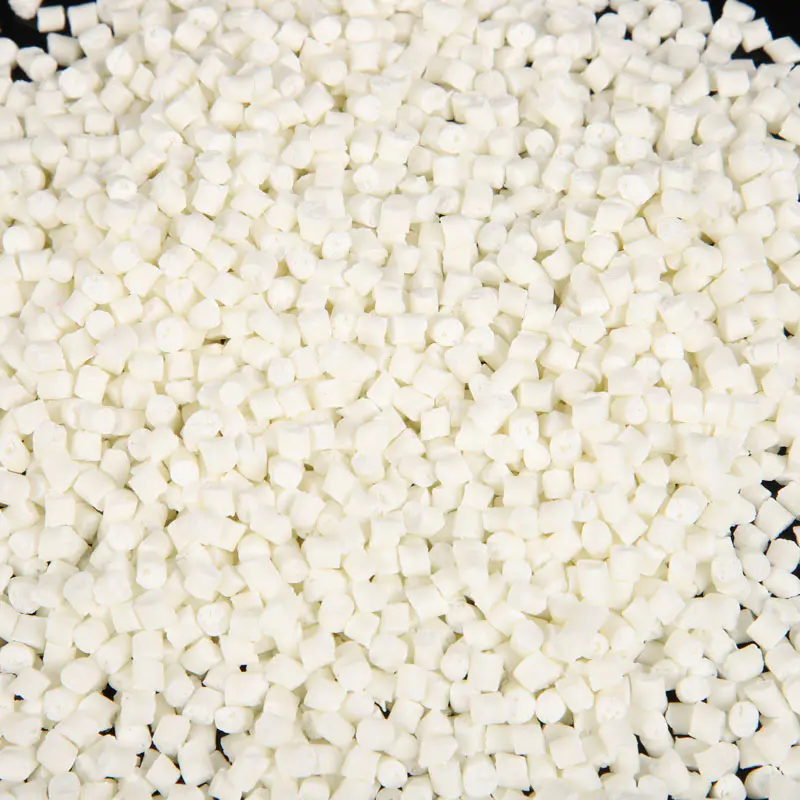
Understanding Bio-based Plastic Granules
Bio-based Plastic Granules are raw polymer pellets produced from renewable biomass rather than traditional fossil fuels. They serve as the base material for injection molding, extrusion, and other plastic processing methods.
Key characteristics include:
- Renewable origin materials
- Reduced carbon footprint
- Compatibility with existing plastic processing machines
- Adjustable mechanical properties depending on formulation
These features make them highly adaptable across packaging, automotive, agriculture, and consumer goods industries.
Why Bio-based Plastic Granules Matter
The importance of Bio-based Plastic Granules lies in their ability to bridge performance and sustainability. Traditional plastics rely heavily on petroleum-based resources, which contribute significantly to carbon emissions and environmental degradation. In contrast, bio-based alternatives help reduce dependency on non-renewable resources.
Main Advantages:
- Lower greenhouse gas emissions
- Reduced reliance on fossil fuels
- Improved brand sustainability image
- Compliance with global environmental regulations
- Potential biodegradability (depending on polymer type)
Bio-based vs Traditional Plastic Granules
To better understand their value, here is a simple comparison:
| Feature | Bio-based Plastic Granules | Traditional Plastic Granules |
|---|---|---|
| Raw Material Source | Renewable biomass | Petroleum-based |
| Carbon Emissions | Lower | Higher |
| Sustainability | High | Low |
| Cost Stability | Medium (depends on crops) | High volatility |
| Environmental Impact | Reduced | Significant |
This comparison shows why many manufacturers are gradually transitioning toward bio-based solutions.
Applications Across Industries
Bio-based Plastic Granules are widely used in multiple sectors due to their flexibility and performance.
Common Applications:
- Packaging materials (bags, films, containers)
- Agricultural mulch films and plant pots
- Automotive interior components
- Disposable consumer products
- Textile fibers and coatings
Their adaptability allows manufacturers to integrate them into existing production lines without major modifications.
Key Performance Benefits
Modern Bio-based Plastic Granules are engineered to match or even exceed traditional plastics in certain applications.
Performance Highlights:
- High tensile strength (depending on formulation)
- Good thermal stability
- Excellent molding flow characteristics
- Customizable hardness and flexibility
- Improved environmental compliance
These advantages make them suitable not only for eco-friendly branding but also for high-performance industrial usage.
Role of Jiangsu Jinhe High-tech Co., Ltd. in Material Innovation
In the field of advanced polymer materials, Jiangsu Jinhe High-tech Co., Ltd. plays an important role in developing and supplying high-quality bio-based polymer solutions. The company focuses on material innovation, process optimization, and sustainable manufacturing technologies, helping global clients transition toward greener production systems.
By investing in research and development, Jiangsu Jinhe High-tech Co., Ltd. supports industries in achieving both environmental and economic goals through advanced Bio-based Plastic Granules solutions.
Types of Bio-based Plastic Granules
Different formulations are designed for different industrial needs:
- PLA-based granules: commonly used for packaging and disposable items
- PHA-based granules: known for biodegradability and marine safety
- Bio-PE granules: chemically identical to polyethylene but bio-derived
- Blended bio-composites: combine natural fibers for enhanced strength
Each type serves a unique function depending on performance requirements and sustainability targets.
Challenges and Future Development
Despite their advantages, Bio-based Plastic Granules still face certain challenges:
- Higher production costs compared to conventional plastics
- Limited raw material supply fluctuations
- Performance limitations in extreme conditions
However, ongoing research is rapidly addressing these issues. Future developments are expected to focus on:
- Cost reduction through large-scale production
- Enhanced durability and heat resistance
- Improved biodegradation control
- Wider industrial adoption
Why Industries Are Switching Now
Global industries are under increasing pressure from environmental policies and consumer demand. Bio-based materials are no longer optional—they are becoming a strategic necessity.
Key driving forces include:
- Government regulations on plastic waste
- Corporate sustainability commitments
- Rising consumer preference for eco-friendly products
- ESG (Environmental, Social, Governance) investment standards
Conclusion
Bio-based Plastic Granules represent a major shift in the plastics industry toward sustainability without sacrificing performance. With growing applications across packaging, agriculture, automotive, and consumer goods, they are becoming a core material for future manufacturing systems.
Companies that adopt these materials early will benefit from stronger environmental compliance, improved brand reputation, and long-term cost advantages.
If you are looking for reliable, high-quality solutions in Bio-based Plastic Granules, contact us today to explore how advanced materials can support your business growth and sustainability goals.