

What Is Injection Molding In Mold Label and Why Does It Matter in Modern Manufacturing?
2026-06-25
Injection Molding In Mold Label is becoming one of the most efficient and widely adopted surface decoration technologies in modern plastic manufacturing. It combines injection molding and labeling into a single process, allowing the label to become an integral part of the final product during molding rather than being applied afterward. This results in higher durability, improved aesthetics, and lower production costs for mass manufacturing industries.
In today's competitive packaging and industrial design market, companies are increasingly seeking solutions that improve branding efficiency while maintaining production speed. As a result, technologies like Injection Molding In Mold Label are rapidly replacing traditional post-labeling methods.
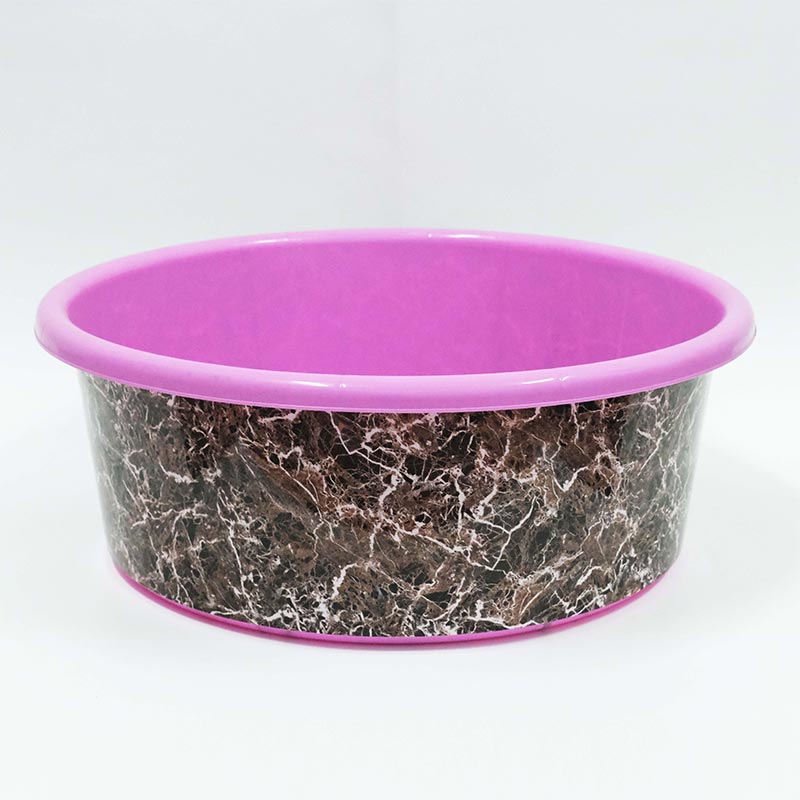
1. What Is Injection Molding In Mold Label?
Injection Molding In Mold Label is a manufacturing process where a pre-printed label is placed inside a mold cavity before molten plastic is injected. When the plastic cools and solidifies, the label becomes permanently fused with the product surface.
This method is widely used in:
- Packaging containers (food, cosmetics, chemicals)
- Home appliance housings
- Automotive interior parts
- Daily consumer goods
2. Key Advantages of Injection Molding In Mold Label
The growing popularity of Injection Molding In Mold Label is driven by its multiple performance and cost advantages:
✔ High Durability
The label is embedded within the product, making it resistant to scratches, moisture, and fading.
✔ Premium Appearance
It provides a smooth, seamless finish with high-resolution graphics.
✔ Cost Efficiency
Eliminates secondary labeling processes, reducing labor and production time.
✔ Eco-Friendly Production
Reduces adhesive waste and additional packaging materials.
3. Injection Molding In Mold Label vs Traditional Labeling
| Feature | Injection Molding In Mold Label | Traditional Labeling |
|---|---|---|
| Durability | Very High | Medium to Low |
| Production Steps | One-step integrated process | Multi-step process |
| Appearance Quality | Seamless & premium | May peel or wrinkle |
| Cost Efficiency | High in mass production | Higher labor cost |
| Environmental Impact | Low waste | More adhesive waste |
This comparison clearly shows why many manufacturers are shifting toward in-mold labeling technology.
4. How the Process Works
The Injection Molding In Mold Label process generally follows these steps:
-
Label Printing
High-quality polypropylene or paper labels are printed with desired graphics. -
Label Positioning
The label is automatically or manually placed inside the mold cavity. -
Injection Molding
Molten plastic is injected into the mold, bonding with the label. -
Cooling & Ejection
The product is cooled, solidified, and ejected with the label permanently attached.
5. Application Areas of Injection Molding In Mold Label
This technology is widely used across multiple industries:
Packaging Industry
- Shampoo bottles
- Food containers
- Beverage packaging
Automotive Industry
- Interior panels
- Storage compartments
- Dashboard components
Electronics & Appliances
- Control panels
- Protective casings
- Decorative covers
Consumer Goods
- Household containers
- Storage boxes
- Daily-use plastic products
6. Why Injection Molding In Mold Label Is Important
The importance of Injection Molding In Mold Label lies in its ability to combine functionality and branding in a single step. It enhances product identity while ensuring long-term durability.
Key importance factors include:
- Strengthening brand visibility
- Improving product lifecycle quality
- Supporting large-scale automated production
- Reducing manufacturing complexity
7. Technical Considerations for Best Results
To achieve optimal results with Injection Molding In Mold Label, manufacturers must consider:
- Material compatibility between label and plastic resin
- Mold design precision for accurate label placement
- Temperature control during injection
- Static elimination systems to prevent label shifting
These factors directly impact the final product quality and production efficiency.
8. Industry Trends and Future Development
With increasing demand for sustainable packaging and smart manufacturing, Injection Molding In Mold Label is expected to evolve further:
- Integration with recyclable materials
- Digital printing improvements for high-resolution branding
- Automation in label placement systems
- Wider adoption in premium consumer packaging
9. Professional Manufacturing Support
As a professional manufacturer in this field, Zhejiang Zhongyu Science and Technology Co., Ltd. provides advanced solutions for Injection Molding In Mold Label applications. With strong technical capability and production experience, the company supports customized label design, mold optimization, and mass production services tailored to global clients.
Their expertise ensures stable quality, efficient production cycles, and cost-effective solutions for diverse industrial applications.
Conclusion
Injection Molding In Mold Label is no longer just a decorative technique—it is a strategic manufacturing solution that improves efficiency, strengthens branding, and reduces long-term costs. From packaging to automotive components, its applications continue to expand across global industries.
For businesses aiming to upgrade product quality and streamline production, adopting this technology can bring significant competitive advantages.
If you are looking for professional support, product customization, or technical consultation, contact us today to explore how Injection Molding In Mold Label solutions can elevate your business.