

What Are New Energy Vehicle Busbars and Why Are They Critical?
2026-05-07
In the rapidly evolving electric mobility industry, New Energy Vehicle Busbars have become one of the most essential components in power distribution systems. As electric buses, trucks, and passenger vehicles demand higher efficiency, greater safety, and improved energy transfer, busbars serve as the backbone that connects battery packs, inverters, and power electronics. Without them, stable and efficient current transmission in high-voltage systems would not be possible.
Manufacturers such as Xiamen Lijingda Hardware Products Co., Ltd. are continuously improving the design, conductivity, and durability of busbar systems to meet the strict requirements of modern new energy vehicles. This article explores their structure, applications, benefits, and why they are becoming indispensable in the EV industry.
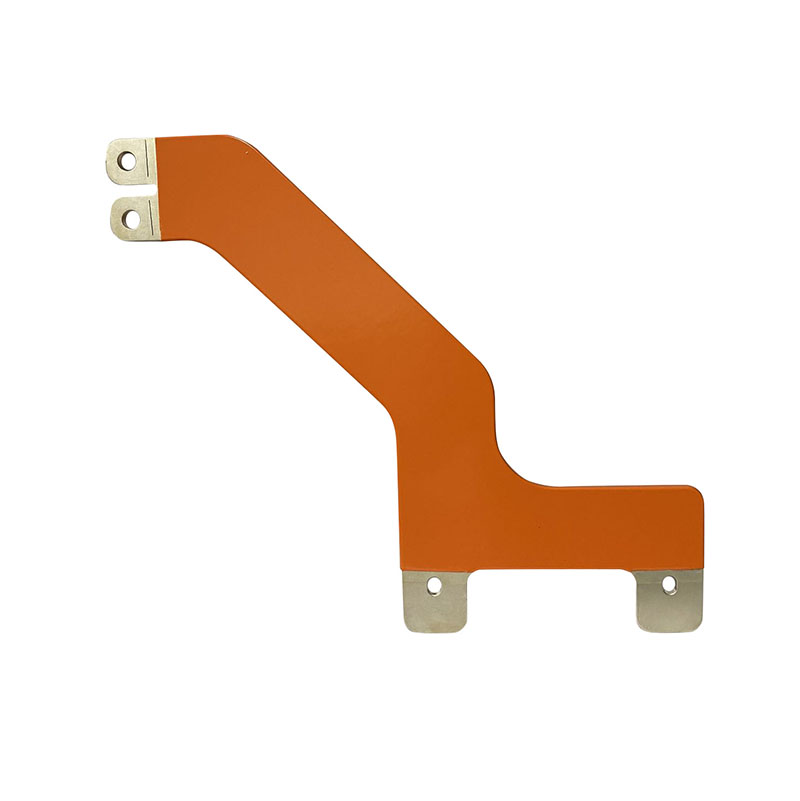
1. Understanding New Energy Vehicle Busbars
New Energy Vehicle Busbars are metallic strips or bars used to conduct electricity within electric vehicles. They replace traditional wiring harnesses in high-current applications because they offer lower resistance, better heat dissipation, and higher reliability.
They are commonly made from materials such as:
- Copper (high conductivity)
- Aluminum (lightweight and cost-effective)
- Copper-aluminum composites (balanced performance)
Core Functions:
- Power distribution between battery modules
- Connection between inverter and motor systems
- Grounding and safety current pathways
- Reducing wiring complexity in EV architecture
2. Why Busbars Are So Important in New Energy Vehicles
Electric vehicles rely heavily on efficient energy transfer. Even minor resistance losses can lead to reduced driving range or overheating risks. This is where New Energy Vehicle Busbars play a crucial role.
Key Importance:
- High current capacity: Supports large-scale EV battery systems
- Thermal management: Reduces overheating risks
- Compact design: Saves space compared to cable harnesses
- Improved safety: Minimizes short-circuit risks
- Long lifespan: Resistant to vibration and corrosion
Without high-quality busbars, EV performance and safety would be significantly compromised.
3. Busbars vs Traditional Wiring Systems (Comparison)
To better understand their value, let's compare busbars with conventional wiring systems:
| Feature | New Energy Vehicle Busbars | Traditional Cables |
|---|---|---|
| Electrical resistance | Very low | Higher |
| Heat dissipation | Excellent | Moderate |
| Space efficiency | Compact design | Bulky wiring harness |
| Installation | Easy modular assembly | Complex routing |
| Maintenance | Low | Higher |
| Current capacity | High voltage suitable | Limited |
This comparison clearly shows why modern EV manufacturers are shifting toward New Energy Vehicle Busbars as a standard solution.
4. Types of New Energy Vehicle Busbars
Different EV systems require different busbar designs depending on voltage, current, and installation space.
Common Types:
-
Rigid Busbars
- Used in battery packs and power distribution units
- High mechanical strength
-
Flexible Busbars
- Suitable for vibration-prone environments
- Easier installation in compact EV structures
-
Laminated Busbars
- Multiple layers for reduced inductance
- Ideal for high-frequency applications
-
Insulated Busbars
- Enhanced safety with protective coatings
- Prevents short circuits and corrosion
5. Material Selection and Performance Impact
The performance of New Energy Vehicle Busbars heavily depends on material choice and manufacturing precision.
Common Materials and Benefits:
-
Copper Busbars
- Excellent conductivity
- Ideal for high-performance EVs
-
Aluminum Busbars
- Lightweight and cost-efficient
- Suitable for mass-market EVs
-
Copper-Aluminum Composite
- Balanced electrical and mechanical performance
- Increasingly popular in modern EV platforms
Advanced manufacturers like Xiamen Lijingda Hardware Products Co., Ltd. focus on precision stamping, surface treatment, and insulation technology to ensure optimal conductivity and durability.
6. Applications of New Energy Vehicle Busbars
These components are widely used across multiple EV systems:
Main Application Areas:
- Electric bus power distribution systems
- EV battery pack interconnections
- Charging system modules
- Motor control units
- DC-DC converters and inverters
Their versatility makes them suitable for nearly all types of new energy vehicles, from passenger cars to commercial fleets.
7. Manufacturing Process Overview
The production of New Energy Vehicle Busbars requires high precision and strict quality control.
Typical Manufacturing Steps:
- Material selection and cutting
- CNC stamping or laser cutting
- Surface treatment (tin plating, nickel plating, or silver coating)
- Insulation coating (if required)
- Quality inspection and electrical testing
- Packaging and shipment
Each step ensures that the final product meets automotive-grade standards.
8. Advantages in Modern EV Design
Modern EV manufacturers prefer busbars due to several engineering advantages:
- Higher energy efficiency reduces power loss
- Better thermal stability improves battery safety
- Simplified assembly reduces production costs
- Scalable design supports different EV platforms
- Improved electromagnetic compatibility (EMC)
These benefits directly contribute to longer vehicle range and improved system reliability.
9. Challenges in Busbar Development
Despite their advantages, manufacturing New Energy Vehicle Busbars also presents challenges:
- High precision requirements for electrical stability
- Strict automotive certification standards
- Thermal expansion management
- Corrosion resistance in harsh environments
- Integration with compact EV architectures
This is why experienced manufacturers play a critical role in ensuring product reliability.
10. Industry Trends and Future Development
The future of New Energy Vehicle Busbars is closely tied to EV innovation.
Key Trends:
- Lightweight materials for extended EV range
- High-voltage busbar systems (800V platforms)
- Integrated smart busbars with sensors
- Improved thermal and vibration resistance
- Automation in manufacturing processes
As EV technology advances, busbars will become even more compact, intelligent, and efficient.
11. Why Choose Xiamen Lijingda Hardware Products Co., Ltd.
Xiamen Lijingda Hardware Products Co., Ltd. is committed to delivering high-quality busbar solutions for global new energy vehicle manufacturers. With advanced production equipment and strict quality control systems, the company ensures:
- Precision-engineered New Energy Vehicle Busbars
- Customized design solutions for different EV platforms
- Stable electrical performance under high load
- Strong R&D capability for future EV trends
- Reliable global supply chain support
By combining engineering expertise with manufacturing excellence, the company supports the growing demand for safe and efficient EV power systems.
12. Simple Summary of Key Advantages
- High conductivity for efficient energy transfer
- Space-saving structure for compact EV design
- Excellent thermal management capability
- Strong durability under vibration and load
- Suitable for various EV applications
Conclusion
As electric mobility continues to expand globally, New Energy Vehicle Busbars have become a foundational technology that ensures safe, efficient, and stable power distribution. Their role in improving energy efficiency, reducing system complexity, and supporting high-voltage architectures makes them indispensable in modern EV design.
With continuous innovation and engineering improvement, companies like Xiamen Lijingda Hardware Products Co., Ltd. are helping shape the future of electric transportation through reliable and high-performance busbar solutions.
If you are looking for a trusted partner in EV electrical connectivity solutions, contact us today to learn more about our advanced New Energy Vehicle Busbars and customized manufacturing capabilities.