

How to Choose the Right Large Diameter High Temperature Resistant Rubber Hose for Your Application
2026-11-11
Selecting the correct Large Diameter High Temperature Resistant Rubber Hose is critical for safe, efficient, and cost-effective operation in industries ranging from steel manufacturing to chemical processing. At JIDONGDA, we understand that a hose failure in a high-temperature line can halt production, endanger personnel, and damage expensive equipment. This guide outlines the key factors engineers and procurement teams should evaluate before specifying a Large Diameter High Temperature Resistant Rubber Hose for any demanding application.
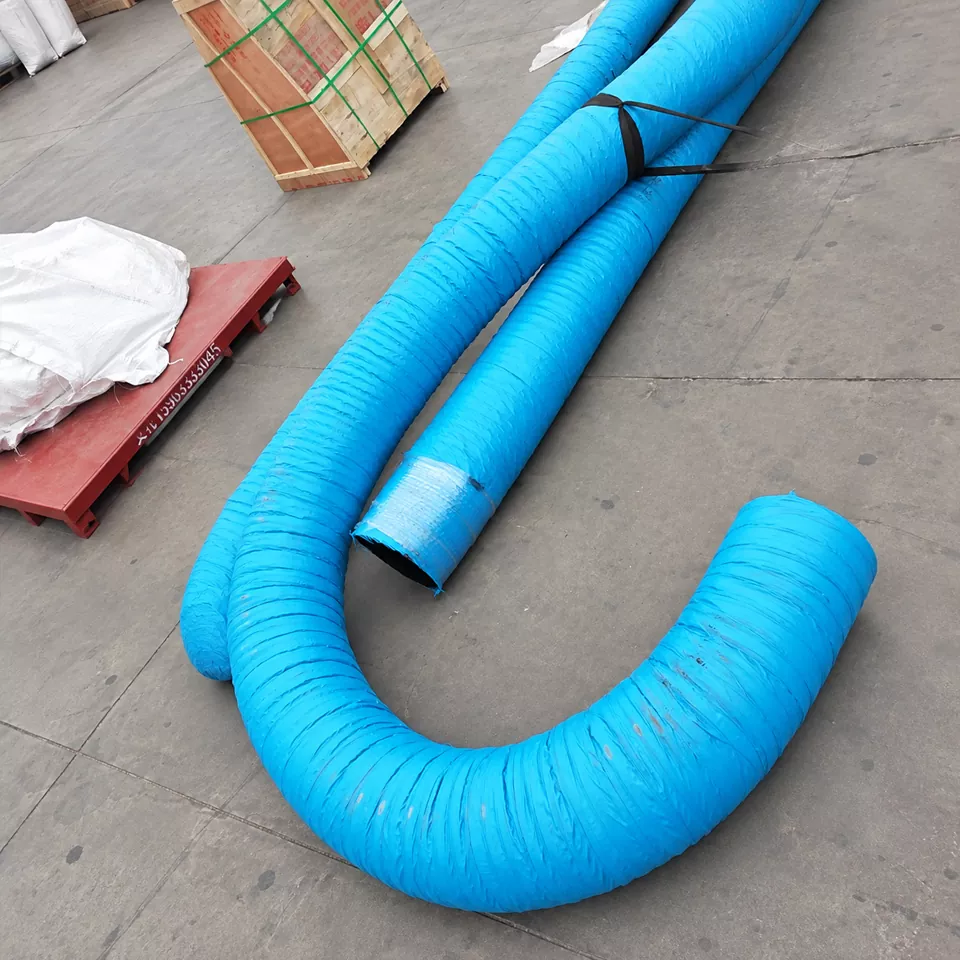
1. Define Your Operating Parameters First
Before comparing products, document the actual service conditions. The table below summarizes the parameters that most directly affect hose selection.
| Parameter | Why It Matters | Typical Questions to Ask |
|---|---|---|
| Continuous temperature | Determines rubber compound and reinforcement | What is the normal vs. peak temperature? |
| Media being conveyed | Chemical compatibility and permeability | Is the medium abrasive, acidic, or oily? |
| Working pressure | Wall thickness and reinforcement layers | What are steady-state and surge pressures? |
| Hose diameter | Flow rate and pressure drop | What is the required ID and bend radius? |
| External environment | Ozone, UV, abrasion, and flexing | Will the hose be exposed outdoors or dragged? |
2. Evaluate the Rubber Compound and Construction
Not all high-temperature hoses are equal. A Large Diameter High Temperature Resistant Rubber Hose typically uses EPDM, silicone, or specially blended elastomers, each with distinct strengths.
-
EPDM: Excellent heat and steam resistance; ideal for hot water and air.
-
Silicone: Superior flexibility at extreme temperatures; often chosen for hot air ducting.
-
Specialty blends: Formulated by manufacturers such as JIDONGDA for combined resistance to heat, oil, and chemicals.
Reinforcement matters as much as the rubber. Multiple layers of high-tensile textile braid or steel wire provide burst strength and dimensional stability in large-diameter constructions.
3. Match Diameter, Bend Radius, and Flow Requirements
Large-diameter hoses are often used in low-pressure, high-volume transfer. Confirm that the selected Large Diameter High Temperature Resistant Rubber Hose meets the minimum bend radius to avoid kinking and premature fatigue. Undersized diameters increase pressure drop and energy costs; oversized diameters add weight and cost without benefit.
4. Verify Standards and Testing
Ask for documented test data, not just catalog claims. Key checks include:
-
Burst pressure and pressure-retention testing
-
Ozone and heat-ageing resistance results
-
Compliance with relevant industry standards (e.g., SAE, ISO, or plant-specific specifications)
-
Traceability of compound batches and reinforcement materials
5. Consider Total Cost of Ownership
A lower-priced hose that fails early is expensive. Evaluate service life, downtime risk, and replacement labour. Suppliers like JIDONGDA provide application engineering support to help buyers balance initial cost against long-term reliability.
Frequently Asked Questions
What temperature range can a Large Diameter High Temperature Resistant Rubber Hose withstand?
It depends on the compound: EPDM hoses typically handle continuous service up to about 120–150°C, silicone hoses can reach 200°C or higher, and specialty blends from JIDONGDA are engineered for specific temperature windows; always confirm continuous and peak ratings with the manufacturer.
How do I know if a Large Diameter High Temperature Resistant Rubber Hose is compatible with my conveyed medium?
Provide the manufacturer with the exact chemical composition, concentration, and temperature of the medium, and request a compatibility assessment or sample testing, because resistance to heat alone does not guarantee resistance to acids, oils, or solvents.
When should I replace a Large Diameter High Temperature Resistant Rubber Hose?
Replace it when you observe cracking, hardening, blistering, delamination, or reduced flexibility, or when it reaches the manufacturer's recommended service interval; scheduled inspection and pressure testing are far safer than waiting for a failure.
Contact Us
Ready to specify the right hose for your line? Contact JIDONGDA today to discuss your temperature, pressure, and media requirements with our technical team, request samples, or obtain a tailored quotation for your Large Diameter High Temperature Resistant Rubber Hose project.