

How to Choose the Best Stick Welding Gloves for Safety and Performance?
2026-04-22
Article Summary
Stick welding gloves are a critical piece of personal protective equipment for welders, directly impacting safety, comfort, and productivity. Choosing the right pair can reduce burns, improve grip, and enhance precision during demanding welding tasks. This guide explains how stick welding gloves work, what features matter most, and how to select the ideal gloves for your needs. It also highlights common mistakes buyers make and how to avoid them.
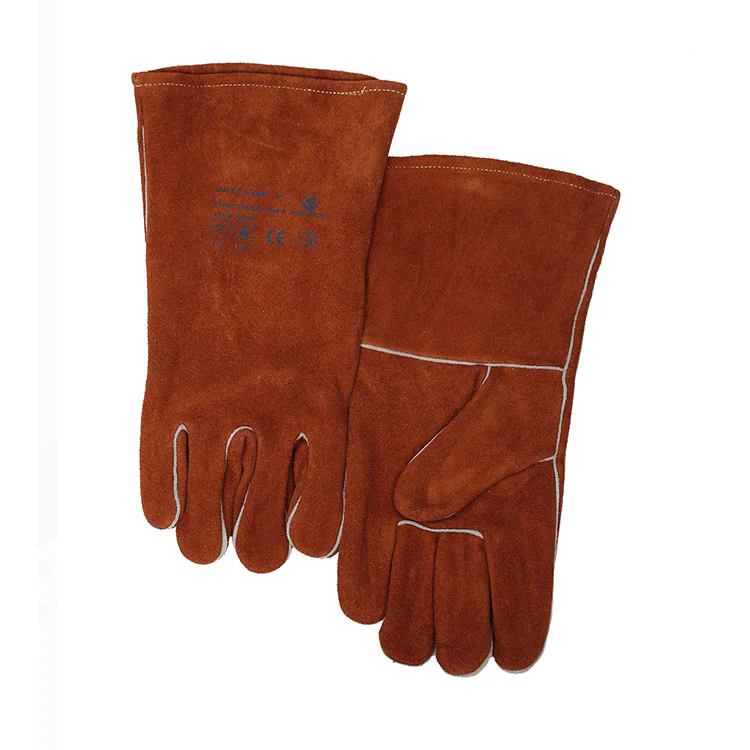
Table of Contents
- What Are Stick Welding Gloves?
- Why Choosing the Right Gloves Matters
- Key Features to Look For
- Best Materials for Stick Welding Gloves
- Comparison Table of Glove Types
- How to Choose the Right Gloves
- Common Mistakes to Avoid
- Care and Maintenance Tips
- Frequently Asked Questions
What Are Stick Welding Gloves?
Stick welding gloves are specialized protective gloves designed for shielded metal arc welding (SMAW). This welding method generates intense heat, sparks, and molten metal spatter, requiring gloves that provide superior heat resistance, durability, and hand protection.
Unlike general-purpose work gloves, stick welding gloves are thicker, longer, and reinforced in high-wear areas. They are engineered to balance protection with enough dexterity to handle electrodes and tools effectively.
Why Choosing the Right Gloves Matters
Selecting improper gloves can lead to serious safety risks and reduced efficiency. The right gloves ensure:
- Protection from extreme heat and sparks
- Improved grip and control during welding
- Reduced hand fatigue during long work sessions
- Enhanced durability in harsh working environments
For professional welders, glove selection directly affects both performance quality and workplace safety compliance.
Key Features to Look For
- Heat Resistance: Essential for handling high-temperature welding processes.
- Durability: Reinforced stitching and thick leather improve lifespan.
- Comfort: Soft lining reduces irritation and enhances wearability.
- Dexterity: Flexible design allows precise movements.
- Cuff Length: Extended cuffs protect wrists and forearms.
Best Materials for Stick Welding Gloves
Material selection determines both performance and longevity. The most commonly used materials include:
- Cowhide Leather: Excellent durability and heat resistance, ideal for heavy-duty work.
- Goatskin Leather: Offers better flexibility and dexterity.
- Pigskin Leather: Performs well in moist environments.
- Kevlar Stitching: Enhances resistance to heat and abrasion.
Comparison Table of Glove Types
| Material | Heat Resistance | Durability | Flexibility | Best Use Case |
|---|---|---|---|---|
| Cowhide | High | Very High | Medium | Heavy-duty stick welding |
| Goatskin | Medium | High | High | Precision welding tasks |
| Pigskin | Medium | Medium | Medium | Humid environments |
How to Choose the Right Stick Welding Gloves
To select the best gloves, consider the following step-by-step approach:
- Assess Your Welding Environment: High heat and heavy spatter require thicker gloves.
- Determine Required Dexterity: Choose more flexible gloves for detailed work.
- Check Fit and Comfort: Gloves should fit snugly without restricting movement.
- Evaluate Cuff Length: Longer cuffs provide added protection.
- Inspect Stitching Quality: Kevlar stitching ensures durability.
Professionals often test multiple options before settling on the best combination of comfort and protection.
Common Mistakes to Avoid
- Choosing gloves based solely on price
- Ignoring proper sizing and fit
- Using general work gloves instead of welding-specific ones
- Neglecting maintenance and replacement schedules
Avoiding these mistakes can significantly extend glove lifespan and improve safety outcomes.
Care and Maintenance Tips
- Clean gloves regularly to remove debris and oil
- Store in a dry, ventilated area
- Avoid excessive moisture exposure
- Inspect for wear and tear before each use
Proper maintenance ensures consistent performance and reduces replacement costs over time.
Frequently Asked Questions
Q1: How often should welding gloves be replaced?
Replacement depends on usage intensity, but visible wear or reduced heat resistance indicates it's time for a new pair.
Q2: Are thicker gloves always better?
Not necessarily. Thicker gloves provide more protection but may reduce dexterity. Balance is key.
Q3: Can stick welding gloves be used for other welding types?
Yes, but they are specifically optimized for high-heat applications and may not offer the flexibility needed for TIG welding.
Q4: What size should I choose?
Choose a snug fit that allows full finger movement without tightness or slipping.
Conclusion
Selecting the right stick welding gloves is essential for ensuring safety, comfort, and efficiency in demanding welding environments. By focusing on material quality, construction, and proper fit, you can significantly improve your welding performance while minimizing risks.
Taizhou Huawo Industry and Technology Co., Ltd. specializes in manufacturing high-quality welding protection products designed to meet the rigorous demands of professionals worldwide. If you are looking for reliable and durable stick welding gloves tailored to your needs, contact us today to discover how we can support your business with premium solutions.