

How Regenerated PS Plastic Pellet Is Transforming Sustainable Manufacturing
2026-05-11
Regenerated PS (Polystyrene) Plastic Pellets are reshaping modern plastic manufacturing by offering a cost-effective, environmentally responsible alternative to virgin materials. This article explores what they are, how they are produced, why they matter, and where they are used. It also provides practical insights into quality control, applications, and purchasing considerations to help businesses make informed decisions.
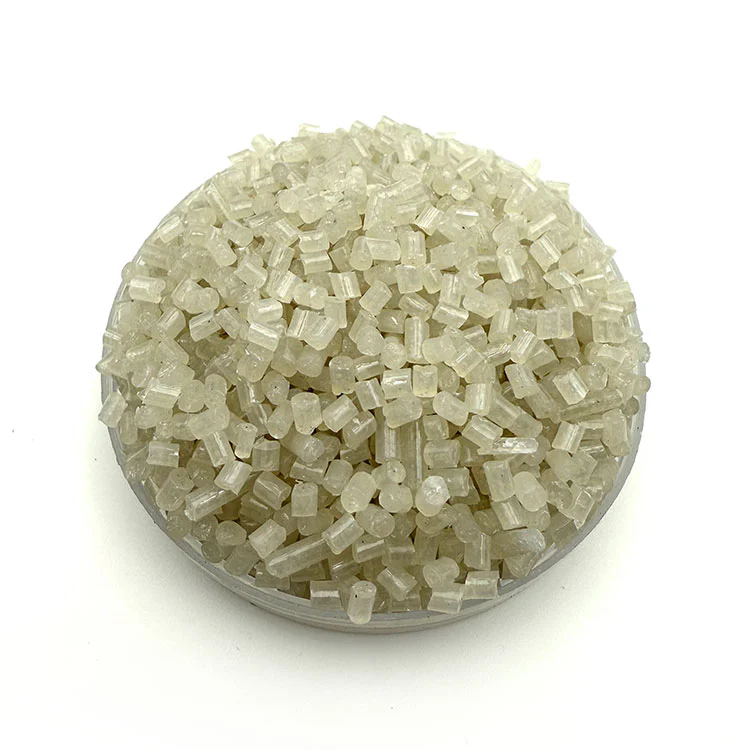
Table of Contents
- 1. Introduction
- 2. What Are Regenerated PS Plastic Pellets?
- 3. How Regenerated PS Pellets Are Manufactured
- 4. Key Applications Across Industries
- 5. Why Businesses Choose Regenerated PS Pellets
- 6. Comparison: Regenerated vs Virgin PS Pellets
- 7. Quality Control and Performance Factors
- 8. Challenges and Solutions
- 9. Environmental and Economic Impact
- 10. Buying Guide for Industrial Users
- 11. Frequently Asked Questions
- 12. Conclusion
1. Introduction
The global plastics industry is under increasing pressure to reduce waste, lower carbon emissions, and adopt circular economy practices. One of the most practical responses to this challenge is the use of regenerated PS plastic pellets. These materials are derived from recycled polystyrene waste and reprocessed into high-quality raw material suitable for manufacturing applications.
Unlike traditional virgin plastics, regenerated PS pellets provide manufacturers with a way to maintain product performance while significantly reducing environmental impact and production costs. Companies like Ningbo JUWU International Trading Co., Ltd. play an important role in supplying stable and high-grade regenerated materials to global buyers.
2. What Are Regenerated PS Plastic Pellets?
Regenerated PS plastic pellets are recycled polystyrene materials that have been cleaned, processed, and reformed into uniform granules. Polystyrene (PS) is widely used in packaging, insulation, disposable containers, and consumer goods due to its lightweight and rigid structure.
After its initial use, PS waste is collected and transformed through industrial recycling systems. The resulting pellets are then reintroduced into manufacturing cycles, supporting sustainable production without compromising essential material properties.
- Base material: Post-consumer or post-industrial PS waste
- Form: Uniform plastic granules/pellets
- Main advantage: Cost and environmental efficiency
3. How Regenerated PS Pellets Are Manufactured
The production of regenerated PS plastic pellets involves several controlled stages to ensure consistency and usability.
Step-by-step process:
- Collection: PS waste is collected from industrial and consumer sources.
- Sorting: Materials are separated based on purity and type.
- Cleaning: Contaminants such as labels, adhesives, and residues are removed.
- Shredding: Cleaned PS is broken down into smaller flakes.
- Melting & Extrusion: Flakes are melted and filtered.
- Pelletizing: The molten material is cooled and cut into uniform pellets.
Advanced filtration systems ensure that impurities are minimized, resulting in stable material performance suitable for industrial reuse.
4. Key Applications Across Industries
Regenerated PS plastic pellets are widely used due to their adaptability and cost efficiency.
| Industry | Applications |
|---|---|
| Packaging | Food trays, protective packaging, disposable containers |
| Construction | Insulation panels, lightweight structural components |
| Consumer Goods | Household items, plastic housings, storage products |
| Electronics | Casings, internal protective components |
These applications demonstrate the material’s versatility and reliability when processed under controlled manufacturing conditions.
5. Why Businesses Choose Regenerated PS Pellets
Key advantages include:
- Cost efficiency: Lower raw material costs compared to virgin PS
- Resource conservation: Reduces reliance on fossil-based raw materials
- Stable performance: Consistent processing behavior in molding and extrusion
- Waste reduction: Supports circular economy practices
- Supply stability: Less sensitive to raw petrochemical price fluctuations
For manufacturers aiming to balance profitability with environmental responsibility, regenerated PS pellets offer a practical solution.
6. Comparison: Regenerated vs Virgin PS Pellets
| Factor | Regenerated PS Pellets | Virgin PS Pellets |
|---|---|---|
| Cost | Lower | Higher |
| Environmental Impact | Reduced | Higher |
| Consistency | High (with proper processing) | Very high |
| Applications | General manufacturing | High-precision applications |
7. Quality Control and Performance Factors
Maintaining consistent quality is essential in regenerated PS pellet production. Several factors influence performance:
- Melt flow index stability
- Impurity control and filtration level
- Color uniformity
- Thermal stability during processing
Suppliers such as Ningbo JUWU International Trading Co., Ltd. implement strict inspection systems to ensure material reliability for downstream manufacturing processes.
8. Challenges and Solutions
Common challenges:
- Variability in raw waste quality
- Potential contamination risks
- Color inconsistency in some batches
Solutions:
- Advanced sorting technologies
- Multi-stage filtration systems
- Blending processes for consistency improvement
9. Environmental and Economic Impact
Regenerated PS plastic pellets contribute significantly to reducing plastic waste accumulation. By reintroducing used materials into production cycles, industries reduce landfill dependency and lower greenhouse gas emissions associated with virgin plastic production.
Economically, businesses benefit from reduced material costs while maintaining production efficiency. This balance between sustainability and profitability makes regenerated PS pellets a strategic material choice in modern manufacturing.
10. Buying Guide for Industrial Users
When sourcing regenerated PS pellets, manufacturers should evaluate the following criteria:
- Supplier credibility and production capability
- Material consistency across batches
- Technical specifications (MFI, density, purity)
- Customization availability
- After-sales technical support
Working with experienced suppliers such as Ningbo JUWU International Trading Co., Ltd. ensures more stable procurement outcomes and technical reliability.
11. Frequently Asked Questions
Q1: Are regenerated PS pellets as strong as virgin PS?
A: In most general applications, yes. With proper processing and quality control, performance differences are minimal.
Q2: Can regenerated PS be used in food packaging?
A: It depends on regulatory compliance and purification levels. Some applications require strict certification.
Q3: What industries benefit most from regenerated PS?
A: Packaging, construction, and consumer goods industries benefit significantly due to cost and flexibility.
Q4: How is quality consistency ensured?
A: Through advanced sorting, filtration, and standardized pelletizing processes.
12. Conclusion
Regenerated PS plastic pellets represent a practical and forward-looking material solution for industries seeking efficiency, cost reduction, and environmental responsibility. Their ability to transform waste into valuable raw materials supports both industrial growth and sustainability goals.
With reliable sourcing partners such as Ningbo JUWU International Trading Co., Ltd., manufacturers can confidently integrate regenerated materials into their production systems without compromising performance.
For more technical details, supply options, or customized requirements, contact us today and explore how regenerated PS plastic pellets can enhance your production strategy.