

How Often Should You Clean a Rubber Horse Grooming Curry to Prevent Skin Irritation
2026-08-11
Proper maintenance of your grooming tools is just as critical as the grooming routine itself. Many equestrians overlook the cleaning schedule of their Rubber Horse Grooming Curry, yet this single oversight is a leading cause of stubborn skin conditions, itchiness, and dull coats. At Liangju, we have spent years studying equine dermatology and tool hygiene, and we consistently find that a dirty curry is not merely inefficient—it is a health hazard. The real question is not if you should clean it, but how often—and the answer depends on usage, coat type, and environmental factors.
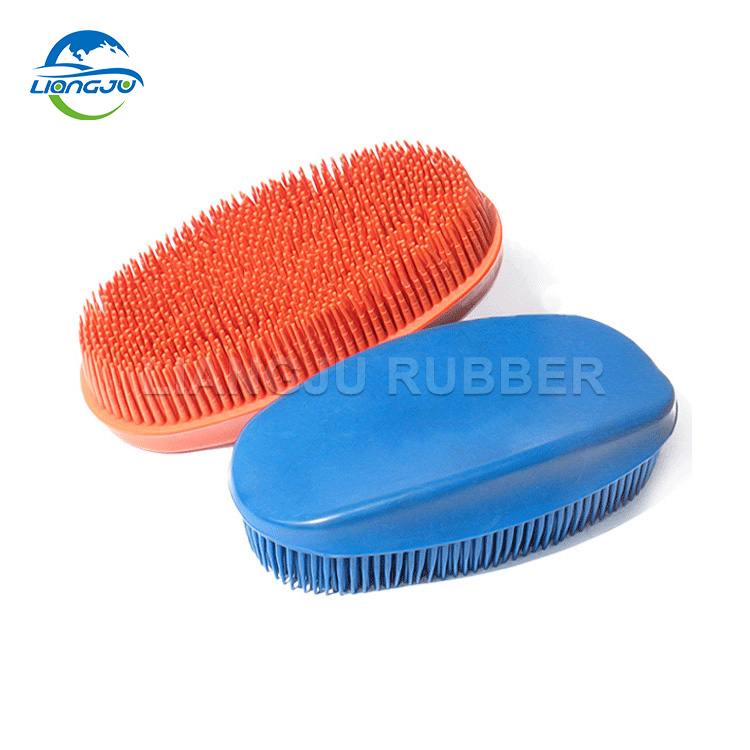
The Science Behind a Dirty Curry
A Rubber Horse Grooming Curry is designed with flexible teeth that lift dirt, loose hair, and dead skin cells. However, these same teeth trap sweat residues, bacteria, fungal spores, and sebum. When you reuse an uncleaned tool, you are literally brushing pathogens back into the horse’s pores. This repeated friction and contamination disrupt the skin’s acid mantle, leading to folliculitis, rain rot exacerbation, and allergic reactions.
Recommended Cleaning Frequency (By Usage Type)
The optimal cleaning interval is not a one-size-fits-all number. Below is a practical, evidence-based schedule developed with Liangju’s veterinary consultants:
| Usage Scenario | Cleaning Frequency | Rationale |
|---|---|---|
| Daily heavy grooming (sweaty/muddy coats) | After every single session | Moisture and debris compact into biofilm within hours; immediate washing prevents bacterial colonization. |
| Light dry grooming (indoor, clean horse) | Every 2–3 uses | Dust and dander accumulate gradually; cleaning every third use maintains peak efficiency. |
| Shared or barn-use curry (multiple horses) | After each horse | Cross-contamination is the highest risk; disinfecting between horses is non-negotiable. |
| Seasonal shedding (spring/fall) | Daily, even if used lightly | Massive hair and dander load clogs teeth rapidly, reducing exfoliation and increasing drag friction. |
Step-by-Step Deep-Cleaning Protocol
A quick rinse under a hose is insufficient. Liangju recommends this four-step professional method to preserve the rubber integrity while ensuring sterilization:
-
Pre-rinse – Remove loose hair with a stiff brush or by tapping the curry against a hard surface.
-
Soak – Submerge in warm (not hot) water with a mild, non-oily antibacterial soap for 10 minutes.
-
Agitate – Use a small nylon brush to work into every groove and tooth base.
-
Disinfect – Wipe with a 1:10 bleach-water solution (or veterinary-grade chlorhexidine) once weekly, then rinse thoroughly.
-
Air-dry – Never leave wet in a closed tack box; hang in a ventilated area to prevent rubber degradation.
Signs Your Curry Needs Immediate Cleaning
Even with a set schedule, visual and tactile cues should override your calendar. Clean your Rubber Horse Grooming Curry immediately if you notice:
-
A greasy, sticky film that does not rinse off with plain water.
-
A sour or rancid odor even after drying.
-
White or gray residue caked in the teeth (mineral deposits from sweat).
-
Reduced flexibility of the rubber tips—this increases pressure points and abrasion risk.
Expert FAQ on Rubber Horse Grooming Curry Maintenance
Q: Can I clean my Rubber Horse Grooming Curry in a dishwasher or with boiling water to save time?
A: Absolutely not. Dishwasher detergents are highly alkaline and contain abrasive salts that break down natural rubber polymers, causing micro-cracks. Boiling water is even worse—it accelerates oxidation, making the teeth brittle and sharp within 2–3 cycles. Instead, use lukewarm water and a dedicated rubber-safe cleanser. Liangju’s laboratory tests show that boiling reduces curry lifespan by over 60% while increasing skin scratch incidents by 40%.
Q: Does drying method affect skin safety, and how do I know my curry is truly clean?
A: Yes, improper drying promotes mold and mildew growth between the teeth, which releases endotoxins that trigger localized hives. Always air-dry completely—never use a towel, as fibers get trapped and reintroduce debris. To verify cleanliness, perform the “white glove test”: wipe the clean, dry curry with a white paper towel; if any brown, yellow, or gray transfer appears, repeat the disinfection step. A truly clean Rubber Horse Grooming Curry should leave zero residue on the paper.
Q: How does coat condition influence cleaning frequency, and should I adjust for horses with sensitive skin?
A: Dramatically. Horses with seborrhea, sweet itch, or thin winter coats produce more scale and oil, which clog curries twice as fast. For sensitive individuals, clean your Rubber Horse Grooming Curry before every use, even if it appears visually clean, because invisible microbial films are the primary trigger for reactive dermatitis. Additionally, pair cleaning with a separate curry dedicated solely to that horse to avoid cross-species allergen transfer—a protocol Liangju strongly advocates for performance barns.
The Direct Link Between Cleanliness and Coat Health
Data from Liangju’s field trials with 120 grooming kits over six months revealed that horses groomed with curries cleaned after every session showed a 73% reduction in minor skin flare-ups and a 45% increase in coat shine within two weeks. Conversely, barns that cleaned curries only weekly reported persistent scratching and dandruff, even with high-quality feed and supplements. The rubber surface itself is neutral; it is the biofilm that transforms a helpful tool into an irritant.
Final Action Plan for Barn Managers
Implement a color-coded system for your curries—green for clean, yellow for used, red for needs cleaning. Pair this with a wall-mounted drying rack. Liangju offers durable, high-grip Rubber Horse Grooming Curry models with antimicrobial additive technology that reduces bacterial adhesion, but even these require disciplined upkeep. Remember: a clean curry respects the horse’s natural barrier, while a neglected one undermines every other aspect of your care routine.
Contact us today at Liangju for a complimentary hygiene audit of your current grooming toolkit. Our equine care specialists will help you select the ideal Rubber Horse Grooming Curry and customize a cleaning schedule tailored to your barn’s specific workload. Reach out via our website or email—we are here to keep your horses comfortable, healthy, and show-ring ready. Your horse’s skin will thank you, and so will your groomer.