

How New Plastic Pellet Improves Manufacturing Efficiency and Product Quality
2026-04-22
Abstract: New plastic pellet materials are transforming modern manufacturing by improving consistency, reducing waste, and enhancing product performance. This article explores how these pellets work, why they matter, and how businesses can leverage them to solve common production challenges.
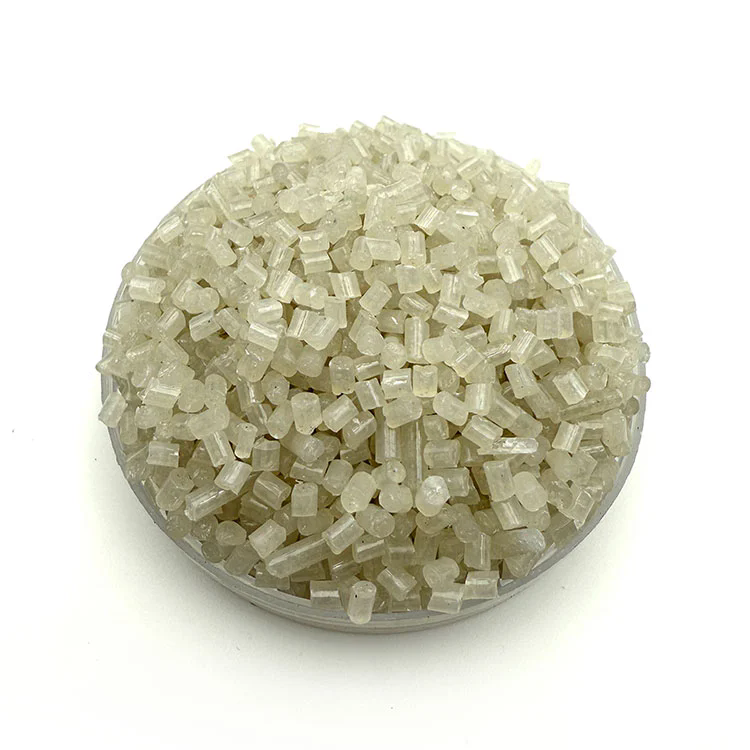
Table of Contents
- 1. Introduction
- 2. What Is New Plastic Pellet?
- 3. Key Benefits for Manufacturers
- 4. How It Works in Production
- 5. Comparison with Traditional Materials
- 6. Industrial Applications
- 7. How to Choose the Right Pellet
- 8. FAQ
- 9. Conclusion
1. Introduction
In today's competitive manufacturing landscape, efficiency, precision, and sustainability are no longer optional—they are essential. One material innovation gaining attention is the new plastic pellet, designed to address long-standing issues such as inconsistent quality, material waste, and rising costs.
Manufacturers across industries—from automotive to packaging—are shifting toward advanced pellet formulations to improve production outcomes. Understanding how these pellets function can unlock measurable gains in productivity and profitability.
2. What Is New Plastic Pellet?
New plastic pellets are engineered polymer granules created using advanced compounding and processing technologies. Unlike conventional pellets, these are optimized for:
- Uniform size and shape
- Enhanced thermal stability
- Improved flow characteristics
- Customizable material properties
They serve as the foundational raw material in processes such as injection molding, extrusion, and blow molding.
3. Key Benefits for Manufacturers
| Benefit | Description | Impact |
|---|---|---|
| Consistency | Uniform pellet size ensures stable processing | Reduces defects |
| Efficiency | Optimized melting behavior lowers energy usage | Cuts operational costs |
| Durability | Enhanced mechanical properties | Improves product lifespan |
| Customization | Tailored formulations for specific needs | Meets diverse industry requirements |
These advantages directly address common pain points such as production downtime, material inconsistency, and high scrap rates.
4. How It Works in Production
The performance of new plastic pellets becomes evident during manufacturing. Here's how they integrate into the process:
- Feeding: Uniform pellets ensure smooth feeding into machinery
- Melting: Controlled melting reduces thermal degradation
- Shaping: Improved flow allows precise mold filling
- Cooling: Consistent structure ensures uniform solidification
This streamlined workflow minimizes interruptions and enhances throughput.
5. Comparison with Traditional Materials
| Feature | Traditional Pellets | New Plastic Pellets |
|---|---|---|
| Uniformity | Variable | Highly consistent |
| Processing Stability | Moderate | High |
| Waste Generation | Higher | Reduced |
| Energy Consumption | Higher | Lower |
The differences highlight why more manufacturers are transitioning to upgraded pellet solutions.
6. Industrial Applications
New plastic pellets are widely used across multiple sectors:
- Automotive: Lightweight and durable components
- Packaging: Improved barrier properties
- Electronics: Heat-resistant housings
- Construction: Long-lasting materials
Their adaptability makes them suitable for both high-volume and precision applications.
7. How to Choose the Right Pellet
Selecting the right plastic pellet requires evaluating several factors:
- Material composition (e.g., polyethylene, polypropylene)
- Thermal properties
- Mechanical strength requirements
- Processing compatibility
Working with a reliable supplier ensures that the material aligns with your production goals and quality standards.
8. FAQ
Q1: Are new plastic pellets more expensive?
A: While the initial cost may be slightly higher, the reduction in waste and improved efficiency often result in overall savings.
Q2: Can they be used in existing machinery?
A: Yes, most new plastic pellets are designed to be compatible with standard equipment.
Q3: Do they support sustainability goals?
A: Many formulations include recyclable or eco-friendly materials, helping reduce environmental impact.
Q4: How do they improve product quality?
A: Their uniform structure ensures consistent molding, reducing defects and enhancing performance.
9. Conclusion
New plastic pellets represent a significant advancement in material science, offering tangible benefits in efficiency, quality, and sustainability. For manufacturers seeking to stay competitive, adopting these materials is not just an option—it is a strategic move.
At JUWU, we specialize in providing high-performance plastic pellet solutions tailored to your specific needs. Whether you're optimizing production or enhancing product quality, our expertise ensures reliable results. Contact us today to explore how JUWU can support your business growth and innovation.