
How Does Waterproof Coating Protect Buildings from Water Damage?
2026-07-22
Article Summary
Water intrusion is one of the most common causes of structural deterioration in buildings, industrial facilities, underground projects, and infrastructure systems. Cracks, moisture penetration, corrosion, and material aging can significantly reduce the service life of construction projects and increase maintenance costs. Waterproof coating provides an effective surface protection solution by creating a continuous protective barrier that prevents water penetration while improving durability and resistance against harsh environmental conditions.
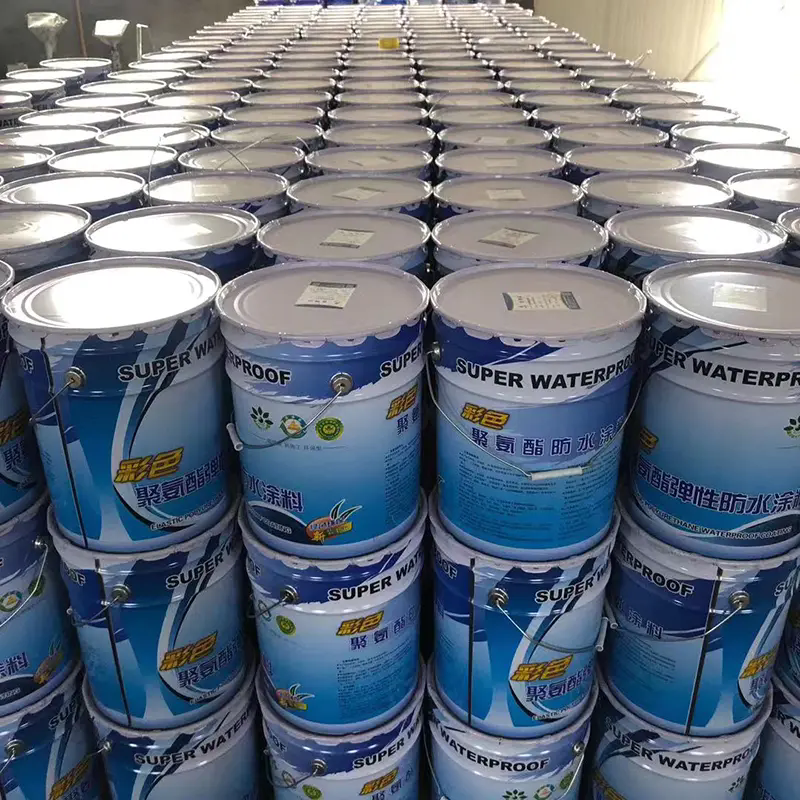
This article explains how waterproof coating works, why it is important for different applications, how to select the right waterproof solution, and how professional manufacturers such as Shandong Haoyuan Waterproof Technology Group Co., Ltd. help customers solve long-term waterproofing challenges with reliable products and technical support.
Table of Contents
- 1. What Is Waterproof Coating?
- 2. How Does Waterproof Coating Work?
- 3. Why Is Waterproof Coating Important for Construction Projects?
- 4. Where Can Waterproof Coating Be Applied?
- 5. Different Types of Waterproof Coating
- 6. How to Choose the Right Waterproof Coating?
- 7. Installation Process and Best Practices
- 8. Advantages of Professional Waterproof Coating Solutions
- 9. Frequently Asked Questions About Waterproof Coating
1. What Is Waterproof Coating?
Waterproof coating is a protective material applied to the surface of construction structures to prevent water penetration. Unlike traditional waterproof materials that mainly rely on physical barriers, waterproof coatings form a seamless protective film after application, covering small cracks, surface irregularities, and vulnerable areas.
The coating creates a flexible or rigid waterproof layer depending on its formulation. This layer helps protect concrete, metal, masonry, and other substrates from moisture, rainwater, groundwater, and chemical exposure.
Modern waterproof coatings are widely used in residential buildings, commercial facilities, tunnels, bridges, basements, roofs, water storage structures, and industrial projects because they provide efficient protection with convenient installation.
| Feature | Description |
|---|---|
| Water Resistance | Creates a continuous barrier to prevent water penetration. |
| Flexibility | Allows the coating to adapt to minor structural movements. |
| Durability | Improves service life by protecting surfaces from environmental damage. |
| Easy Application | Can be applied to various surfaces with different construction methods. |
2. How Does Waterproof Coating Work?
Waterproof coating works by forming a dense protective membrane on the surface of a structure. When applied correctly, the coating blocks water molecules from entering the substrate and reduces the risk of damage caused by moisture accumulation.
The working process generally includes three key functions:
- Surface sealing: The coating fills tiny pores and imperfections on the surface.
- Water barrier formation: After curing, it creates a waterproof protective layer.
- Environmental protection: The coating reduces damage from weather conditions, chemicals, and temperature changes.
For example, concrete structures often contain microscopic pores that allow moisture to penetrate over time. Continuous water exposure can lead to cracking, reinforcement corrosion, and reduced structural strength. Waterproof coating helps prevent these problems by isolating the concrete surface from external moisture.
3. Why Is Waterproof Coating Important for Construction Projects?
Water damage is not always visible in the early stages. Small amounts of moisture penetration can gradually weaken construction materials and create expensive repair requirements. Waterproof coating provides preventive protection before serious problems occur.
| Common Problem | Impact Without Waterproof Protection | Solution Provided by Waterproof Coating |
|---|---|---|
| Water Leakage | Interior damage and reduced building comfort. | Blocks moisture penetration and improves waterproof performance. |
| Concrete Deterioration | Cracks and reduced structural durability. | Protects concrete surfaces from water exposure. |
| Metal Corrosion | Rust and reduced component lifespan. | Provides a protective isolation layer. |
| Mold Growth | Poor indoor environment and maintenance issues. | Reduces moisture conditions that support mold development. |
4. Where Can Waterproof Coating Be Applied?
Waterproof coating is suitable for many construction and industrial applications because of its adaptability and strong protective performance.
- Roof waterproofing: Protects buildings from rainwater and weather exposure.
- Basement waterproofing: Prevents groundwater infiltration and underground moisture problems.
- Bathroom and kitchen waterproofing: Reduces leakage risks in wet areas.
- Bridge and tunnel protection: Enhances infrastructure durability.
- Industrial facilities: Protects floors, walls, and equipment foundations.
- Water storage structures: Helps maintain waterproof performance in demanding environments.
5. Different Types of Waterproof Coating
Different projects require different waterproof solutions. Choosing the correct coating type depends on factors such as application environment, substrate condition, durability requirements, and expected service life.
| Type | Main Characteristics | Typical Applications |
|---|---|---|
| Polyurethane Waterproof Coating | Excellent flexibility and strong adhesion. | Roofs, underground structures, complex surfaces. |
| Acrylic Waterproof Coating | Easy application and good weather resistance. | Exterior walls and general construction. |
| Cement-Based Waterproof Coating | Strong compatibility with concrete surfaces. | Bathrooms, basements, water-related structures. |
| Polymer Modified Coating | Improved elasticity and durability. | Large-scale construction projects. |
6. How to Choose the Right Waterproof Coating?
Selecting suitable waterproof coating requires careful evaluation of project conditions. Using an unsuitable product may result in poor adhesion, cracking, or premature failure.
Important factors include:
- Application Environment: Consider whether the coating will be exposed to rain, groundwater, chemicals, or temperature changes.
- Substrate Type: Different surfaces require different bonding characteristics.
- Performance Requirements: Evaluate flexibility, durability, waterproof level, and resistance properties.
- Construction Conditions: Consider application methods, curing time, and maintenance requirements.
Working with an experienced manufacturer helps customers select solutions that match their specific project requirements.
7. Installation Process and Best Practices
Proper installation is essential for achieving long-lasting waterproof performance. Even high-quality waterproof coating may fail if surface preparation and application procedures are incorrect.
- Surface Preparation: Remove dust, oil, loose materials, and damaged areas.
- Primer Application: Improve adhesion between the coating and substrate.
- Coating Application: Apply the waterproof material evenly according to project requirements.
- Curing Process: Allow sufficient curing time before exposure to water.
- Quality Inspection: Check coating thickness, coverage, and surface condition.
8. Advantages of Professional Waterproof Coating Solutions
Choosing a professional waterproof coating supplier provides customers with better product consistency, technical guidance, and reliable project support.
Shandong Haoyuan Waterproof Technology Group Co., Ltd. focuses on developing and manufacturing waterproof solutions designed for different construction environments. With professional production capabilities and industry experience, the company provides products that help customers improve waterproof reliability and reduce long-term maintenance costs.
- Reliable waterproof performance for various applications.
- Solutions suitable for residential, commercial, and industrial projects.
- Professional technical support for project requirements.
- Focus on product quality and practical application results.
- Customized solutions based on customer needs.
9. Frequently Asked Questions About Waterproof Coating
Q1: How long does waterproof coating last?
The service life depends on product quality, application conditions, environmental exposure, and installation quality. Properly selected and installed waterproof coating can provide long-term protection.
Q2: Can waterproof coating be applied to old surfaces?
Yes, but the surface must be properly cleaned and prepared before application. Damaged areas should be repaired to ensure strong adhesion.
Q3: Is waterproof coating suitable for outdoor use?
Many waterproof coatings are designed for outdoor environments and can resist rain, temperature changes, and weather exposure.
Q4: How do I choose a reliable waterproof coating manufacturer?
Customers should consider manufacturing experience, product quality, technical support, application range, and project service capabilities when selecting a supplier.
Q5: Why is waterproof coating better than traditional waterproof methods?
Waterproof coating creates a seamless protective layer that can cover complex surfaces and reduce weak points caused by joints or gaps.
Conclusion
Waterproof coating plays an important role in protecting buildings, infrastructure, and industrial facilities from moisture damage. By creating a durable protective barrier, it helps reduce maintenance costs, improve structural reliability, and extend service life.
For customers seeking dependable waterproof solutions, Shandong Haoyuan Waterproof Technology Group Co., Ltd. provides professional products and technical support to meet different application requirements. Whether for construction projects, infrastructure protection, or industrial applications, selecting the right waterproof coating solution is essential for achieving long-term performance.
If you need high-quality waterproof coating solutions or professional assistance for your project, please contact us today. Our team is ready to provide suitable waterproof solutions and help you achieve safer, more durable construction results.