

How Does TPU Material Provide Reliable Solutions for Modern Manufacturing Challenges?
2026-08-07
Article Summary
TPU Material has become an important choice for industries that require flexibility, durability, and high-performance polymer solutions. From consumer products and automotive components to medical devices and industrial applications, TPU offers a unique balance of elasticity, abrasion resistance, weather protection, and processing flexibility.
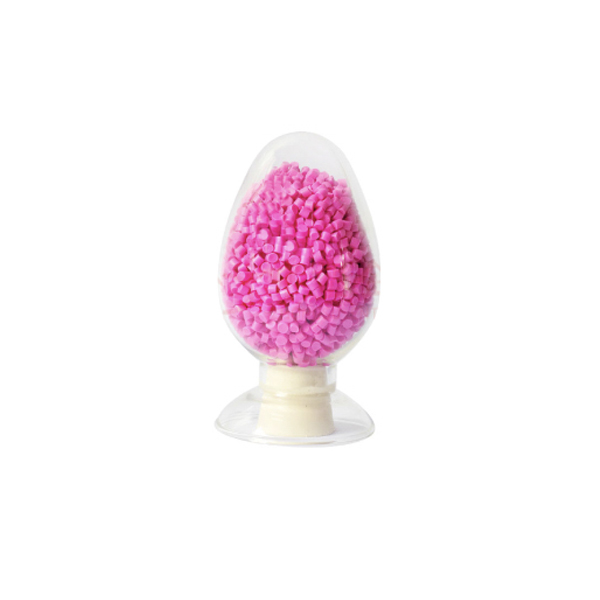
This article explains how TPU Material works, why manufacturers choose it over traditional materials, what challenges it can solve, and how companies can select the right TPU solution for their applications. With professional manufacturing experience and customized material solutions, Zhongsuwang helps customers achieve better product performance through advanced TPU technology.
Table of Contents
- 1. What Is TPU Material?
- 2. How Does TPU Material Work?
- 3. What Advantages Does TPU Material Offer?
- 4. Where Is TPU Material Commonly Used?
- 5. How to Select the Right TPU Material for Your Project?
- 6. TPU Material Compared with Other Flexible Materials
- 7. What Manufacturing Problems Can TPU Material Solve?
- 8. Future Development Trends of TPU Material
- 9. Frequently Asked Questions About TPU Material
1. What Is TPU Material?
TPU Material, also known as Thermoplastic Polyurethane Material, is a versatile polymer that combines the advantages of rubber and plastic. It is a thermoplastic elastomer that can be repeatedly processed through heating and molding while maintaining excellent mechanical properties.
Unlike traditional rubber materials that require complex vulcanization processes, TPU Material provides manufacturers with greater production flexibility. It can be processed through injection molding, extrusion, blow molding, and other manufacturing methods, making it suitable for different product designs and industrial requirements.
The structure of TPU Material consists of flexible segments and rigid segments. This special molecular structure gives TPU excellent elasticity while maintaining strength and resistance against external damage.
- High elasticity and flexibility
- Strong abrasion resistance
- Excellent oil and chemical resistance
- Good weather resistance
- Wide temperature performance range
- Easy processing and recycling capability
2. How Does TPU Material Work?
The performance of TPU Material comes from its unique molecular arrangement. The soft segments provide flexibility, while the hard segments deliver strength and structural stability. This combination allows TPU products to bend, stretch, and absorb impact without losing their original shape.
During manufacturing, TPU pellets are heated until they reach a melt state. The material can then be shaped into different forms according to product requirements. After cooling, TPU returns to a solid state while maintaining its designed characteristics.
| TPU Property | Manufacturing Benefit |
|---|---|
| Elasticity | Creates flexible products with comfortable handling |
| Abrasion Resistance | Improves product lifespan under repeated friction |
| Transparency Options | Supports attractive appearance designs |
| Chemical Resistance | Protects products in challenging environments |
Because of these characteristics, TPU Material can meet demanding requirements where ordinary plastics may become brittle and conventional rubber may lack processing efficiency.
3. What Advantages Does TPU Material Offer?
Manufacturers choose TPU Material because it provides a combination of performance advantages that are difficult to achieve with a single traditional material.
Exceptional Durability
Products made with TPU Material can withstand repeated bending, impact, and mechanical stress. This durability helps reduce replacement frequency and improves the overall value of finished products.
Excellent Flexibility
TPU maintains flexibility even when exposed to movement or deformation. This makes it suitable for wearable products, protective covers, flexible components, and applications requiring comfortable touch.
Strong Resistance Performance
TPU Material performs well against abrasion, oil, grease, and many chemicals. This makes it suitable for industrial environments where materials must maintain reliability over long periods.
Efficient Processing Capability
Compared with many elastomer materials, TPU can be processed using common thermoplastic manufacturing equipment. This helps manufacturers improve production efficiency and reduce manufacturing complexity.
- Reduced production difficulty
- Lower material waste
- Better design possibilities
- Consistent product quality
4. Where Is TPU Material Commonly Used?
Due to its balanced performance, TPU Material is widely applied across multiple industries. Zhongsuwang provides TPU solutions that support different customer requirements and product development goals.
| Industry | Typical Applications |
|---|---|
| Automotive | Seals, protective parts, interior components, cable protection |
| Electronics | Phone cases, wearable device accessories, protective films |
| Medical | Medical tubing, flexible components, protective equipment |
| Industrial | Belts, hoses, mechanical parts, coatings |
| Sports Products | Footwear components, protective gear, flexible accessories |
The ability to customize hardness, color, transparency, and performance characteristics makes TPU Material a preferred solution for many innovative product designs.
5. How to Select the Right TPU Material for Your Project?
Choosing the correct TPU Material requires understanding the working environment, performance expectations, and manufacturing requirements of the final product.
- Consider hardness requirements: Different applications need different levels of softness and rigidity.
- Evaluate environmental conditions: Temperature, chemicals, moisture, and mechanical stress should be considered.
- Choose suitable processing methods: Injection molding and extrusion may require different TPU characteristics.
- Check appearance requirements: Transparency, color stability, and surface quality can affect product design.
- Work with an experienced supplier: Professional technical support helps prevent material selection problems.
Zhongsuwang focuses on providing customized TPU Material solutions according to customer application requirements, helping businesses achieve reliable product performance.
6. TPU Material Compared with Other Flexible Materials
Selecting the right polymer is an important decision during product development. TPU Material offers several advantages compared with common alternatives.
| Material | Main Characteristics | TPU Advantage |
|---|---|---|
| Rubber | Excellent elasticity but difficult processing | Easier manufacturing and recycling |
| PVC | Affordable and widely used | Better flexibility and durability |
| Traditional Plastic | Good strength but limited flexibility | Combines strength with elasticity |
For manufacturers seeking a balance between performance and production efficiency, TPU Material provides a practical and reliable option.
7. What Manufacturing Problems Can TPU Material Solve?
Many manufacturers face challenges such as material failure, short product lifespan, limited design flexibility, and complicated production processes. TPU Material helps address these issues through its advanced performance characteristics.
-
Problem: Frequent product damage
Solution: TPU improves resistance against wear, impact, and repeated usage. -
Problem: Limited product flexibility
Solution: TPU allows products to bend and move while maintaining strength. -
Problem: Difficult manufacturing processes
Solution: TPU supports efficient thermoplastic processing methods. -
Problem: Changing customer requirements
Solution: TPU can be customized for different hardness levels, colors, and functions.
8. Future Development Trends of TPU Material
As industries continue to demand lighter, stronger, and more sustainable materials, TPU Material is expected to play an increasingly important role.
Future TPU development will focus on improved environmental performance, enhanced recycling technologies, bio-based TPU solutions, and advanced customization capabilities. These improvements will help manufacturers create products that meet higher performance expectations while supporting sustainable development goals.
Companies like Zhongsuwang continue to improve TPU technology and provide material solutions designed for evolving market needs.
9. Frequently Asked Questions About TPU Material
Q1: Is TPU Material durable?
Yes. TPU Material offers excellent abrasion resistance, impact resistance, and long-term durability, making it suitable for demanding applications.
Q2: Can TPU Material be customized?
Yes. TPU can be customized according to hardness, color, transparency, processing method, and specific application requirements.
Q3: Is TPU Material environmentally friendly?
TPU Material supports efficient processing and can be recycled in many applications. Manufacturers are also developing more sustainable TPU options.
Q4: Why choose Zhongsuwang for TPU Material solutions?
Zhongsuwang provides professional TPU Material solutions with a focus on quality, customization, and customer application requirements. The company helps customers select suitable materials for different industries and product designs.
Conclusion
TPU Material provides manufacturers with a powerful combination of flexibility, strength, durability, and processing advantages. Whether used in automotive components, electronics, medical products, or industrial applications, TPU helps solve many common material challenges and improves product performance.
With professional experience and customized material solutions, Zhongsuwang is committed to helping customers develop reliable products with high-performance TPU Material. If you need customized TPU solutions for your project, please contact us to discuss your requirements and find the right material solution.