

How Does Temperature Affect High Pressure Hydraulic Rubber Hose Performance
2026-11-03
Temperature is one of the most underestimated factors in hydraulic system reliability. Whether a machine operates in a scorching steel mill or a freezing northern construction site, the performance of a High Pressure Hydraulic Rubber Hose changes with heat and cold. At JIDONGDA, we engineer hose assemblies that maintain integrity across demanding thermal conditions, and in this guide our technical team explains exactly how temperature influences hose behavior, what failure modes to watch for, and how to select and maintain hose systems for long service life.
The Science Behind Temperature and Hose Performance
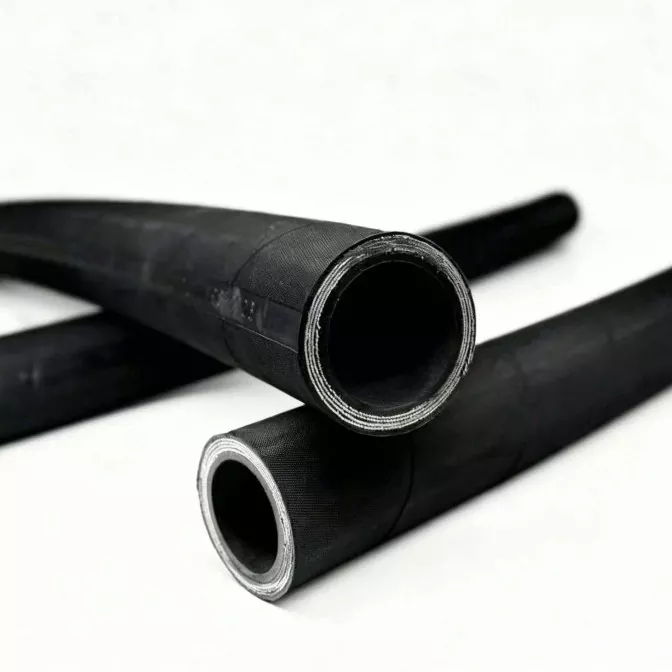
A High Pressure Hydraulic Rubber Hose is a composite structure: an inner tube, reinforcement layers, and an outer cover. Each layer responds differently to thermal stress. Elevated temperatures accelerate rubber aging, reduce tensile strength, and soften the inner tube, while low temperatures stiffen the rubber compound and reduce flexibility, increasing the risk of cracking during flexing.
Key thermal effects on a High Pressure Hydraulic Rubber Hose include:
-
Accelerated aging – every 10°C rise above the rated limit can roughly double the oxidation rate of the rubber compound.
-
Reduced pressure retention – heat lowers the modulus of the inner tube, increasing the risk of leakage at fittings.
-
Reinforcement degradation – sustained heat weakens adhesion between rubber and wire braid, a leading cause of blistering.
-
Cold embrittlement – below the recommended minimum, flexing can cause cover cracks and wire fatigue.
-
Fluid viscosity changes – temperature alters hydraulic fluid behavior, indirectly raising pressure spikes on the hose.
Typical Temperature Ranges by Hose Type
| Hose Type | Standard Temp Range | Peak Intermittent | Common Application |
|---|---|---|---|
| JIDONGDA Standard Braided Hose | -40°C to +100°C | +120°C | General hydraulics |
| JIDONGDA High-Temp Spiral Hose | -40°C to +120°C | +135°C | Steel mills, foundries |
| JIDONGDA Low-Temp Flexible Hose | -55°C to +90°C | +100°C | Cold-climate machinery |
| JIDONGDA Heat-Resistant Covered Hose | -40°C to +135°C | +150°C | Engine compartments |
Selecting a High Pressure Hydraulic Rubber Hose outside its thermal envelope shortens service life dramatically, even if pressure ratings appear adequate.
Practical Guidelines for Thermal Protection
-
Route hoses away from heat sources such as exhaust manifolds, hot pipes, and hydraulic pumps.
-
Use protective sleeving in areas where radiant heat exceeds the hose rating.
-
Maintain minimum bend radius in cold conditions; never flex a stiff hose forcibly.
-
Allow warm-up cycles in sub-zero environments before applying full pressure.
-
Inspect covers regularly for hardening, cracking, or discoloration as early signs of thermal damage.
Frequently Asked Questions
What is the maximum temperature a High Pressure Hydraulic Rubber Hose can handle?
Most standard High Pressure Hydraulic Rubber Hose products operate up to 100°C continuously, while heat-resistant designs from JIDONGDA reach 135°C continuous and 150°C intermittent, depending on the rubber compound and reinforcement construction.
How can I tell if temperature has damaged my High Pressure Hydraulic Rubber Hose?
Look for a hardened or brittle outer cover, surface cracks, blisters between layers, fitting seepage, and reduced flexibility; any of these signs on a High Pressure Hydraulic Rubber Hose indicates thermal degradation and warrants replacement.
Does cold weather reduce the pressure rating of a High Pressure Hydraulic Rubber Hose?
Cold temperatures do not directly lower the burst rating, but they stiffen the rubber and increase flex fatigue risk, so a High Pressure Hydraulic Rubber Hose used below its rated minimum temperature should be handled carefully and warmed before full-pressure operation.
Conclusion
Understanding thermal limits is essential for safe, cost-effective hydraulic operation. Choosing the right High Pressure Hydraulic Rubber Hose for your temperature profile—and protecting it in service—prevents premature failure and downtime. JIDONGDA manufactures hose assemblies tested for both high-heat and low-temperature extremes, with full technical documentation available for every product line.
Contact us today to discuss your application requirements, request temperature-rated samples, or receive a customized quotation for High Pressure Hydraulic Rubber Hose solutions engineered for your operating environment.