

How Does Soft Connection Improve System Reliability?
2025-09-17
In many technical fields such as pipeline engineering, ventilation, mechanical systems, and dust-collection setups, the concept of soft connection has become a critical solution for enhancing flexibility, reducing vibration, and preventing system damage. A soft connection, sometimes referred to as a flexible connector, is designed to absorb movement between two rigid components. Unlike hard connections, which transmit force directly from one element to another, soft connections provide a controlled buffer, ensuring smoother performance and longer equipment life.
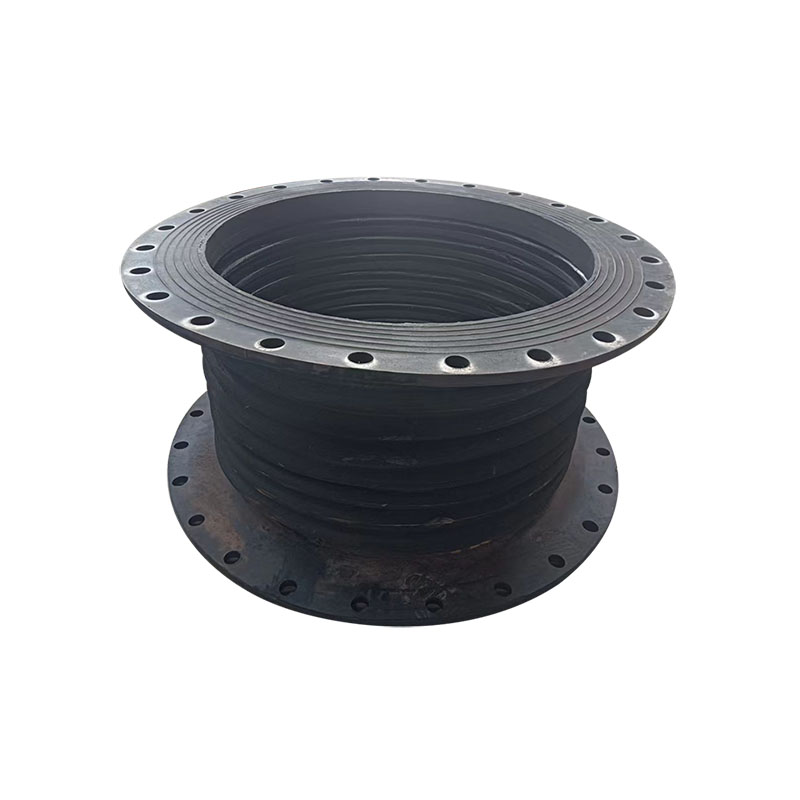
The purpose of a soft connection goes beyond simple linkage. It is an engineered component that solves multiple challenges:
-
Vibration reduction: Prevents harmful vibration transmission from motors or fans to ducts and pipelines.
-
Compensation for misalignment: Adjusts for slight offsets between equipment connections.
-
Noise reduction: Diminishes operational noise by decoupling sound paths.
-
Thermal expansion management: Accommodates changes in material size caused by temperature fluctuations.
-
Durability: Protects adjoining equipment from premature wear and fatigue.
In sectors ranging from HVAC to food processing, energy, cement, and chemical industries, soft connections are indispensable. Without them, rigid connections could fail under stress, causing downtime, costly repairs, or even safety hazards.
How Do Soft Connections Work and Where Are They Applied?
The mechanism of a soft connection is straightforward yet highly effective. It uses materials with elasticity, flexibility, and resistance to physical and chemical stresses to create a coupling that can withstand variable forces. By doing so, it maintains the integrity of the system while enabling controlled movement.
Working Principle
When mechanical vibration, misalignment, or thermal expansion occurs in a rigid system, stress is transmitted directly to connected parts. Over time, this leads to cracks, leaks, or component failures. A soft connection interrupts this stress transfer by absorbing or redistributing the force through its flexible medium. As a result, mechanical load and vibration are minimized.
Key Applications of Soft Connections
-
Ventilation and Air Ducts
-
Reduces fan vibration transmission.
-
Improves indoor air quality by minimizing leaks.
-
-
Pipeline Systems
-
Allows thermal expansion and contraction without stressing the pipeline.
-
Prevents fluid leakage at connection points.
-
-
Dust Collection Systems
-
Provides flexible transitions between hoppers, feeders, and ducts.
-
Helps prevent blockages caused by rigid misalignments.
-
-
Energy and Cement Industries
-
Withstands abrasive dust and high temperatures.
-
Extends the lifespan of filters and rotary feeders.
-
-
Food and Pharmaceutical Industries
-
Made from food-grade materials to meet hygiene standards.
-
Ensures product purity by preventing contamination.
-
Product Parameters of Soft Connections
| Parameter | Specification Options |
|---|---|
| Material | Silicone, PTFE, EPDM rubber, PVC, high-temperature fabrics, food-grade textiles |
| Diameter Range | 50 mm – 2000 mm or customized |
| Temperature Range | -30°C to +260°C depending on material |
| Connection Type | Flanged, clamped, sewn, or welded |
| Chemical Resistance | Excellent resistance to acids, bases, solvents, and oils (depending on material) |
| Durability | Designed for repeated flexing and extended service life |
| Customization | Size, shape, material, and fastening system customizable according to project demands |
These parameters ensure that businesses can tailor soft connections to their specific requirements. Choosing the correct material and design makes a substantial difference in performance and safety.
Why Are Soft Connections Critical for Operational Safety and Efficiency?
The question of why soft connections are so important can be answered by examining the challenges faced in mechanical and fluid systems. Without the flexibility and adaptability that soft connections offer, systems would face increased risks of failure, inefficiency, and downtime.
Benefits of Soft Connections
-
Improved Equipment Lifespan
Reducing vibration and stress prevents fatigue damage in pumps, fans, and pipelines. -
Enhanced Workplace Safety
Prevents hazardous leaks of gas, dust, or liquids in sensitive environments. -
Energy Efficiency
Lower vibration and smoother flow reduce energy losses in fans and compressors. -
Noise Control
Provides acoustic decoupling that improves working conditions for operators. -
Regulatory Compliance
In industries with strict environmental or safety standards, soft connections support compliance by ensuring leak-free and safe operations.
Long-Term Cost Advantages
While some companies may view soft connections as minor components, they deliver significant cost savings by reducing downtime, extending equipment life, and preventing costly system overhauls. The return on investment is often far greater than the initial cost of installation.
Common FAQs About Soft Connections
Q1: What materials should I choose for high-temperature applications?
A: For environments with sustained high heat, materials like silicone-coated fabrics, PTFE, or high-performance fiberglass are recommended. These materials can withstand temperatures exceeding 200°C while maintaining structural integrity. Standard rubber or PVC may degrade quickly in such conditions and should be avoided.
Q2: How do I determine the correct size and shape of a soft connection?
A: Correct sizing depends on the diameter of the connecting equipment, expected movement range, and installation method. Measurements should account not only for static size but also for thermal expansion, misalignment, and operational vibration. Custom solutions are available to ensure precision fitting for complex systems.
What Does the Future Hold for Soft Connection Technology?
With industries demanding more reliable, energy-efficient, and sustainable systems, soft connections are evolving to meet new challenges. Their importance is expanding as engineers recognize their role in optimizing system design and performance.
Emerging Trends in Soft Connections
-
Advanced Materials
Development of high-performance fabrics and elastomers with greater temperature and chemical resistance. -
Smart Integration
Sensors embedded in soft connections for real-time monitoring of vibration, wear, and pressure changes. -
Eco-Friendly Solutions
Increasing use of recyclable or low-impact materials to align with global sustainability goals. -
Customization Growth
More businesses seek tailored solutions rather than one-size-fits-all products, pushing manufacturers to expand their customization capabilities.
Long-Term Role of Soft Connections
As industries shift toward smarter and greener systems, soft connections will continue to play an indispensable role. Their ability to absorb vibration, reduce noise, and improve system efficiency ensures that they remain a cornerstone of engineering design.
At Fushuo, we provide high-quality soft connections engineered to meet the toughest demands across various industries. Our products are built with precision, reliability, and durability in mind, ensuring that clients receive the best possible performance from their systems. Whether you need customized solutions for ventilation, dust collection, pipelines, or high-temperature applications, we have the expertise to deliver.
For further details, technical guidance, or to request a quotation, contact us today and discover how Fushuo can help optimize your system with advanced soft connection solutions.