

How Does RTV Silicone Adhesive Improve Industrial Bonding and Sealing Performance?
2026-09-29
Article Summary:
RTV Silicone Adhesive has become an important material for modern industrial bonding, sealing, insulation, and protection applications. Unlike traditional adhesives that may lose performance under temperature changes, vibration, or moisture exposure, RTV silicone adhesive provides flexible bonding strength and long-term stability after curing. This article explains how RTV Silicone Adhesive works, where it is used, how to select the right formulation, and how Nuomi helps customers achieve reliable adhesive solutions for demanding applications.
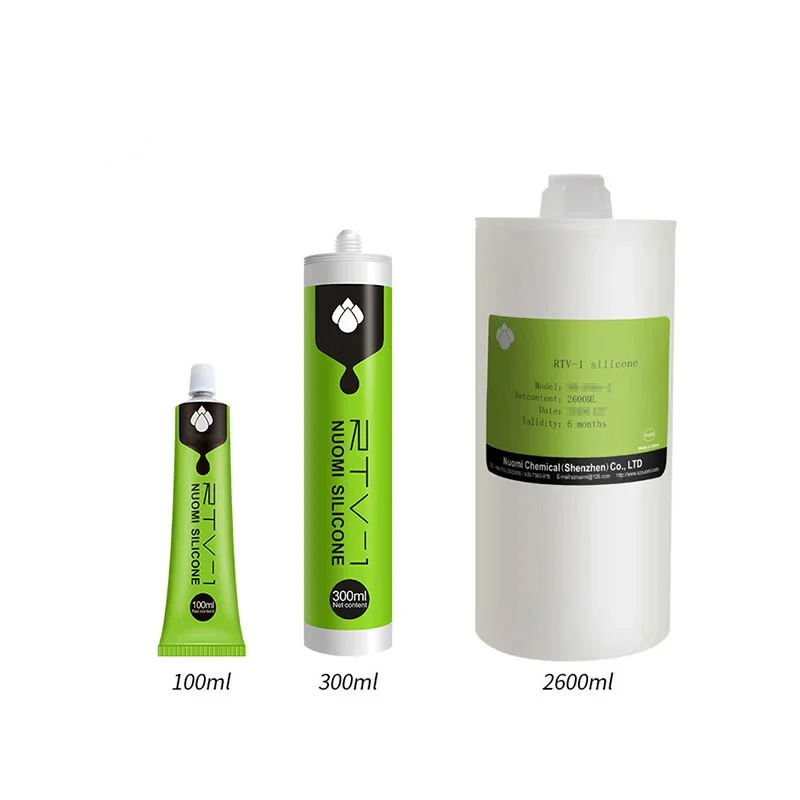
What Is RTV Silicone Adhesive?
RTV Silicone Adhesive refers to a silicone-based adhesive material that cures at room temperature and forms a flexible rubber-like bonding layer. RTV means Room Temperature Vulcanizing, which indicates that the material does not require high-temperature equipment during the curing process. It reacts with moisture in the air or through a chemical curing system to create a durable silicone elastomer.
Compared with rigid adhesives, RTV Silicone Adhesive maintains excellent elasticity after curing. This characteristic allows it to absorb vibration, tolerate thermal expansion differences, and maintain sealing performance when bonded parts experience continuous movement or temperature fluctuation.
For manufacturers, engineers, and maintenance teams, the biggest advantage is application flexibility. RTV silicone adhesive can be applied directly to different substrates including metals, glass, ceramics, plastics, and electronic components depending on the formulation requirements.
| Feature | Industrial Benefit |
|---|---|
| Room temperature curing | No additional heating equipment required, improving production flexibility |
| Elastic bonding layer | Reduces stress caused by vibration and thermal movement |
| Moisture resistance | Protects components from humidity and environmental damage |
| Temperature stability | Suitable for applications exposed to heat or cold conditions |
How Does RTV Silicone Adhesive Work?
The performance of RTV Silicone Adhesive comes from its silicone polymer structure. During curing, the adhesive changes from a paste or gel-like material into a flexible solid rubber layer. This transformation creates a stable connection between surfaces while maintaining movement capability.
Moisture-Cure RTV Silicone Adhesive
Single-component RTV silicone adhesive is commonly used because it is ready to apply without mixing. After exposure to atmospheric moisture, the adhesive gradually cures from the surface inward. This type is widely used for sealing, assembly bonding, and maintenance applications where convenient operation is required.
Two-Component RTV Silicone Adhesive
Two-component systems contain a base material and curing agent. They provide better control over curing speed and are often selected for larger-volume production, potting, encapsulation, and applications requiring consistent performance.
| Type | Main Characteristics | Typical Uses |
|---|---|---|
| RTV-1 | Single component, easy application | Sealing, bonding, equipment maintenance |
| RTV-2 | Controlled curing, suitable for precision applications | Potting, molding, electronic protection |
Why Is RTV Silicone Adhesive Widely Used?
Industrial environments often create challenges that ordinary adhesives cannot handle. Components may experience vibration, temperature cycling, moisture, chemical exposure, or dimensional changes. RTV Silicone Adhesive is designed to maintain performance under these conditions.
1. Excellent Temperature Resistance
Many industrial assemblies operate in environments with repeated heating and cooling cycles. RTV silicone adhesive maintains flexibility across a wide temperature range, helping prevent cracks caused by thermal stress.
2. Strong Environmental Protection
Moisture, dust, UV exposure, and weather conditions can shorten component life. RTV silicone adhesive creates a protective barrier that improves sealing reliability and reduces environmental damage.
3. Vibration and Shock Absorption
Rigid bonding materials may become damaged when equipment experiences continuous vibration. The flexible silicone structure allows movement while maintaining adhesion.
4. Electrical Insulation Capability
Certain RTV silicone adhesive formulations provide electrical insulation properties, making them suitable for electronic assemblies, sensors, and electrical protection applications.
Industrial Applications of RTV Silicone Adhesive
RTV Silicone Adhesive is used across multiple industries because of its balance between adhesion, flexibility, and environmental resistance.
Electronics and Electrical Equipment
Electronic components require protection against moisture, vibration, and temperature changes. RTV silicone adhesive is commonly used for sealing connectors, fixing components, protecting circuit assemblies, and providing insulation layers.
- PCB component protection
- Sensor sealing
- LED assembly bonding
- Electrical enclosure sealing
Automotive Manufacturing
Automotive parts often experience oil exposure, vibration, and temperature cycling. RTV silicone adhesive is used in gasket applications, engine-related sealing, lighting assembly bonding, and component protection.
Industrial Equipment
Machinery requires reliable sealing solutions to prevent leakage and maintain operating stability. RTV silicone adhesive helps create flexible seals for equipment covers, joints, and irregular surfaces.
Construction and Building Applications
Because of its weather resistance and flexibility, RTV silicone adhesive is widely used for glass sealing, joint protection, and building material bonding where long-term outdoor performance is required.
| Industry | Application Examples | Main Requirement |
|---|---|---|
| Electronics | PCB protection, connectors, sensors | Insulation and moisture protection |
| Automotive | Engine sealing, vibration control | Heat and oil resistance |
| Machinery | Equipment sealing and bonding | Durability under vibration |
| Construction | Glass and weather sealing | Outdoor stability |
How to Select the Right RTV Silicone Adhesive?
Choosing the correct RTV Silicone Adhesive requires understanding the actual working environment rather than focusing only on initial bonding strength. Different applications require different silicone formulations.
- Substrate Compatibility: Check whether the adhesive bonds effectively with metals, plastics, glass, ceramics, or other materials.
- Temperature Requirements: Select a grade suitable for continuous operating temperature and thermal cycling.
- Curing Method: Consider whether a single-component or two-component system fits the production process.
- Chemical Exposure: Evaluate resistance requirements against oils, solvents, moisture, or other chemicals.
- Mechanical Stress: Consider vibration, movement, and impact conditions.
Common Problems During RTV Silicone Adhesive Application
Insufficient Surface Preparation
Dust, oil, and contamination can reduce adhesion performance. Proper cleaning before application is essential for achieving reliable bonding.
Incorrect Adhesive Selection
Using a general-purpose adhesive in a high-temperature or chemical environment may lead to premature failure. Application conditions should always guide product selection.
Incorrect Curing Conditions
Although RTV silicone adhesive cures at room temperature, humidity, thickness, and environmental conditions can influence curing speed.
Frequently Asked Questions About RTV Silicone Adhesive
1. How long does RTV Silicone Adhesive take to cure?
Curing time depends on formulation, thickness, humidity, and application conditions. Surface curing may occur relatively quickly, while complete curing usually requires additional time for thicker adhesive layers.
2. Can RTV Silicone Adhesive bond metal surfaces?
Yes. Many RTV silicone adhesive formulations are designed for bonding metals. However, surface preparation and selecting the correct grade are important for achieving stable adhesion.
3. Is RTV Silicone Adhesive suitable for outdoor applications?
Yes. RTV silicone adhesive offers strong resistance against weathering, UV exposure, and moisture, making it suitable for many outdoor sealing applications.
4. What is the difference between silicone adhesive and ordinary glue?
Ordinary adhesives often become rigid after curing, while RTV silicone adhesive remains flexible. This flexibility allows better performance in applications involving vibration, movement, and temperature changes.
5. How does Nuomi support RTV Silicone Adhesive solutions?
Nuomi focuses on providing reliable silicone adhesive products for industrial customers. Through material selection, application understanding, and quality control, Nuomi helps customers find suitable bonding and sealing solutions for different manufacturing requirements.
Need Reliable RTV Silicone Adhesive Solutions?
Selecting the right adhesive can directly influence product reliability, production efficiency, and long-term performance. Nuomi provides professional RTV Silicone Adhesive solutions for industrial bonding, sealing, and protection applications.
If you are looking for stable quality, customized solutions, or technical support for your project, please contact us today to discuss your requirements and receive a suitable recommendation.