

How Does Polymer Cement-based Waterproof Coating Provide Long-lasting Protection for Buildings?
2026-08-13
Article Summary
Water damage is one of the most common challenges affecting residential buildings, commercial structures, underground facilities, and industrial projects. Cracks, moisture penetration, aging concrete, and improper waterproofing systems can lead to costly repairs and reduced structural durability. Polymer Cement-based Waterproof Coating has become an effective solution by combining the strength of cement materials with the flexibility and adhesion advantages of polymer components.
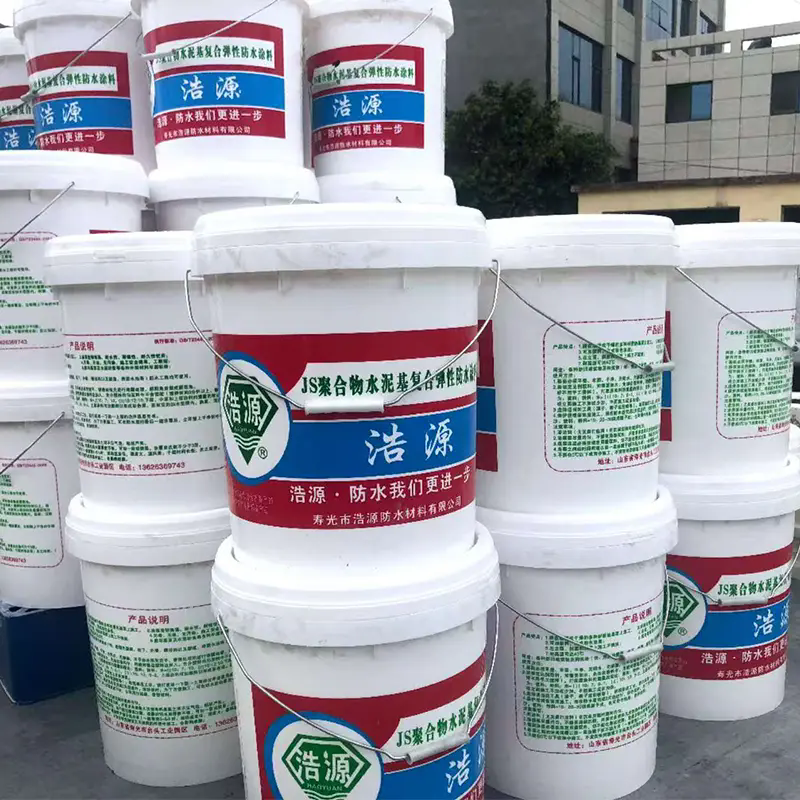
This article explains how Polymer Cement-based Waterproof Coating works, why it is widely used in modern construction projects, how to select the right waterproofing solution, and how professional application methods can improve waterproof performance. Shandong Haoyuan Waterproof Technology Group Co., Ltd. provides advanced waterproof coating solutions designed to meet different construction requirements and help customers solve long-term moisture protection challenges.
Table of Contents
- What Is Polymer Cement-based Waterproof Coating?
- How Does Polymer Cement-based Waterproof Coating Work?
- What Problems Can Polymer Cement-based Waterproof Coating Solve?
- Key Advantages of Polymer Cement-based Waterproof Coating
- Application Areas of Polymer Cement-based Waterproof Coating
- How to Apply Polymer Cement-based Waterproof Coating Correctly?
- How to Choose a Reliable Waterproof Coating Supplier?
- Frequently Asked Questions
What Is Polymer Cement-based Waterproof Coating?
Polymer Cement-based Waterproof Coating is a modern cementitious waterproof material that combines cement powder with polymer emulsion. The cement component provides excellent strength, durability, and resistance to environmental conditions, while polymer materials improve flexibility, bonding performance, and crack resistance.
Unlike traditional rigid waterproof materials that may easily crack when buildings experience slight movement, polymer cement-based coatings create a more balanced waterproof layer. The polymer network helps the coating maintain better adaptability, while cement hydration contributes to mechanical strength and water resistance. Research on polymer cement waterproof materials has shown that the combination of polymer components and cement can improve coating flexibility, adhesion, and waterproof performance. :contentReference[oaicite:0]{index=0}
| Material Component | Main Function |
|---|---|
| Cement Powder | Provides hardness, structural strength, and durability |
| Polymer Emulsion | Improves flexibility, adhesion, and crack resistance |
| Additives | Enhance workability, stability, and waterproof performance |
Modern construction projects require waterproofing materials that can handle complex environments. Polymer Cement-based Waterproof Coating meets these requirements by offering a practical balance between rigidity and flexibility.
How Does Polymer Cement-based Waterproof Coating Work?
The working principle of Polymer Cement-based Waterproof Coating depends on the interaction between cement hydration and polymer film formation. After mixing the powder component and liquid polymer component, the coating forms a uniform waterproof slurry. When applied to a concrete or masonry surface, it penetrates small pores and creates a continuous protective barrier.
The waterproof mechanism mainly includes the following processes:
- Surface penetration: The coating fills small gaps and pores on the substrate surface.
- Cement hydration: Cement particles react with water and develop a strong internal structure.
- Polymer film formation: Polymer particles combine to create a flexible protective layer.
- Barrier formation: The cured coating reduces water penetration and protects the structure.
The combination of cement hydration products and polymer modification improves bonding strength and water resistance, making the coating suitable for demanding waterproofing applications. :contentReference[oaicite:1]{index=1}
What Problems Can Polymer Cement-based Waterproof Coating Solve?
Many construction failures are caused by ineffective waterproofing systems. Water infiltration can damage concrete structures, affect indoor environments, and increase maintenance costs. Polymer Cement-based Waterproof Coating helps solve several common problems.
| Common Problem | How The Coating Helps |
|---|---|
| Concrete surface cracking | Improved flexibility helps reduce damage caused by minor structural movement |
| Water leakage | Creates a continuous waterproof barrier to reduce moisture penetration |
| Poor bonding of traditional coatings | Provides strong adhesion to concrete, mortar, and masonry surfaces |
| High maintenance costs | Improves durability and extends waterproofing service life |
For contractors and building owners, choosing a reliable waterproof coating means reducing future repair expenses and improving project quality.
Key Advantages of Polymer Cement-based Waterproof Coating
Polymer Cement-based Waterproof Coating has become popular in construction because of its practical performance advantages.
- Excellent Waterproof Performance: The dense coating structure helps prevent water penetration and protects building surfaces.
- Strong Adhesion: The material bonds effectively with concrete, cement boards, bricks, and other mineral substrates.
- Better Crack Resistance: The polymer modification improves flexibility compared with ordinary cement coatings.
- Easy Application: The coating can be applied by brushing, rolling, or spraying depending on project requirements.
- Environment-friendly Characteristics: Water-based formulations reduce the need for solvent-based waterproofing materials.
- Wide Temperature Adaptability: The coating can maintain performance under different environmental conditions.
| Feature | Benefit for Customers |
|---|---|
| Flexible waterproof layer | Reduces risk of coating failure caused by movement |
| High bonding strength | Improves long-term reliability |
| Simple construction process | Saves labor time and installation costs |
| Durable protection | Reduces frequent maintenance requirements |
Application Areas of Polymer Cement-based Waterproof Coating
Polymer Cement-based Waterproof Coating is widely used in construction projects because it can adapt to different substrates and environmental conditions. From residential buildings to large infrastructure projects, this waterproof material provides reliable protection against moisture-related problems.
The following are common application areas:
- Basements and Underground Structures: Underground areas are constantly exposed to groundwater pressure and moisture. Polymer Cement-based Waterproof Coating helps create a protective waterproof barrier for basement walls and floors.
- Bathrooms and Wet Areas: Bathrooms, kitchens, and laundry rooms require effective waterproof systems to prevent water leakage into surrounding structures.
- Roofs and Terraces: The coating provides surface protection against rainwater penetration and helps improve roof durability.
- Concrete Structures: Bridges, tunnels, parking facilities, and concrete buildings can benefit from improved moisture resistance and surface protection.
- Industrial Facilities: Factories and warehouses often require durable waterproof layers to protect floors and walls from humidity and chemical exposure.
| Application Location | Main Waterproofing Requirement | Recommended Benefit |
|---|---|---|
| Basement | Resistance against groundwater penetration | Creates a durable underground waterproof barrier |
| Bathroom | Prevention of hidden water leakage | Protects walls and floors from moisture damage |
| Roof | Resistance against rain and weather exposure | Improves long-term building protection |
| Industrial Area | Durability under demanding conditions | Provides stable waterproof performance |
How to Apply Polymer Cement-based Waterproof Coating Correctly?
Even high-quality waterproof materials require proper installation methods to achieve the expected performance. Incorrect surface preparation or improper coating thickness may reduce waterproof effectiveness.
A professional application process usually includes the following steps:
- Surface Preparation: Remove dust, oil stains, loose particles, and weak concrete layers. The substrate should be clean, solid, and slightly damp before application.
- Material Mixing: Mix the cement powder and polymer liquid component according to the manufacturer's recommended ratio. Proper mixing ensures uniform performance.
- First Layer Application: Apply the first coating evenly using a brush, roller, or spraying equipment. Avoid uneven thickness and missed areas.
- Reinforcement Treatment: For areas with cracks, joints, or structural movement, additional reinforcement measures may be required.
- Second Layer Application: Apply additional coating after the first layer reaches suitable curing conditions to improve waterproof thickness.
- Curing and Protection: Allow sufficient curing time and protect the coating from damage during the curing period.
| Application Stage | Important Consideration |
|---|---|
| Surface Preparation | Ensure the substrate is clean and free from contamination |
| Mixing | Maintain correct material proportion and uniform consistency |
| Coating Application | Keep coating thickness consistent |
| Curing | Avoid premature exposure to water or mechanical damage |
Shandong Haoyuan Waterproof Technology Group Co., Ltd. focuses on developing waterproof solutions that meet different construction requirements. Through advanced production technology and strict quality management, the company provides reliable waterproof coating products for customers in various industries.
How to Choose a Reliable Waterproof Coating Supplier?
Selecting the right supplier is an important step for ensuring waterproof project quality. A professional manufacturer should provide not only high-performance materials but also technical support and consistent product quality.
When evaluating a Polymer Cement-based Waterproof Coating supplier, consider the following factors:
- Product Quality Standards: Choose suppliers with stable manufacturing processes and strict quality control systems.
- Technical Experience: A supplier with years of waterproofing experience can better understand different construction challenges.
- Product Compatibility: The coating should match the requirements of different substrates and application environments.
- Customization Capability: Professional manufacturers should be able to provide solutions based on project conditions.
- Customer Support: Reliable suppliers offer technical guidance during product selection and application.
For many construction companies, the right waterproof coating supplier can significantly reduce project risks and improve construction efficiency.
Why Choose Shandong Haoyuan Waterproof Technology Group Co., Ltd.?
Shandong Haoyuan Waterproof Technology Group Co., Ltd. specializes in waterproof material research, production, and solutions. The company is committed to providing high-quality waterproof products that help customers address challenges related to water leakage, structural protection, and long-term durability.
With professional manufacturing capabilities and extensive industry experience, Shandong Haoyuan Waterproof Technology Group Co., Ltd. develops waterproof coatings designed for different construction environments. The company emphasizes product reliability, practical application performance, and customer-oriented solutions.
Whether for residential buildings, commercial projects, underground structures, or industrial applications, choosing a suitable Polymer Cement-based Waterproof Coating can improve building protection and reduce future maintenance costs.
Frequently Asked Questions
Q1: What is Polymer Cement-based Waterproof Coating used for?
Polymer Cement-based Waterproof Coating is mainly used for protecting concrete, masonry, roofs, basements, bathrooms, and other structures from water penetration. It creates a waterproof protective layer that improves building durability.
Q2: Is Polymer Cement-based Waterproof Coating suitable for concrete surfaces?
Yes. The coating has strong adhesion to concrete surfaces and is commonly used for concrete walls, floors, underground structures, and other cement-based substrates.
Q3: How long does Polymer Cement-based Waterproof Coating last?
The service life depends on factors such as product quality, application method, environmental conditions, and maintenance. Proper installation and suitable product selection can significantly improve durability.
Q4: Can Polymer Cement-based Waterproof Coating resist cracks?
The polymer component improves flexibility and crack resistance compared with traditional cement waterproof materials. However, large structural cracks should be repaired before waterproof coating application.
Q5: Why should customers choose Shandong Haoyuan Waterproof Technology Group Co., Ltd.?
Shandong Haoyuan Waterproof Technology Group Co., Ltd. provides professional waterproof solutions with reliable product performance, manufacturing experience, and technical support to help customers achieve long-lasting waterproof protection.
Conclusion
Waterproofing plays an essential role in protecting buildings from moisture damage, structural deterioration, and expensive repairs. Polymer Cement-based Waterproof Coating offers an effective combination of strength, flexibility, adhesion, and durability, making it a practical choice for modern construction projects.
By understanding how the coating works, selecting the correct application method, and cooperating with an experienced manufacturer, customers can achieve better waterproof performance and longer building service life. Shandong Haoyuan Waterproof Technology Group Co., Ltd. continues to provide professional waterproof coating solutions to support construction projects worldwide.
If you are looking for reliable Polymer Cement-based Waterproof Coating solutions with excellent performance and professional support, please contact us today. Our team is ready to provide customized waterproof solutions that meet your project requirements and help you build safer, more durable structures.