

Summary: Polymer cement-based waterproof coatings are essential for protecting buildings and infrastructures from water damage. This article explains the advantages, application methods, and technical considerations to help property owners, contractors, and engineers select the best solution for durable waterproofing.
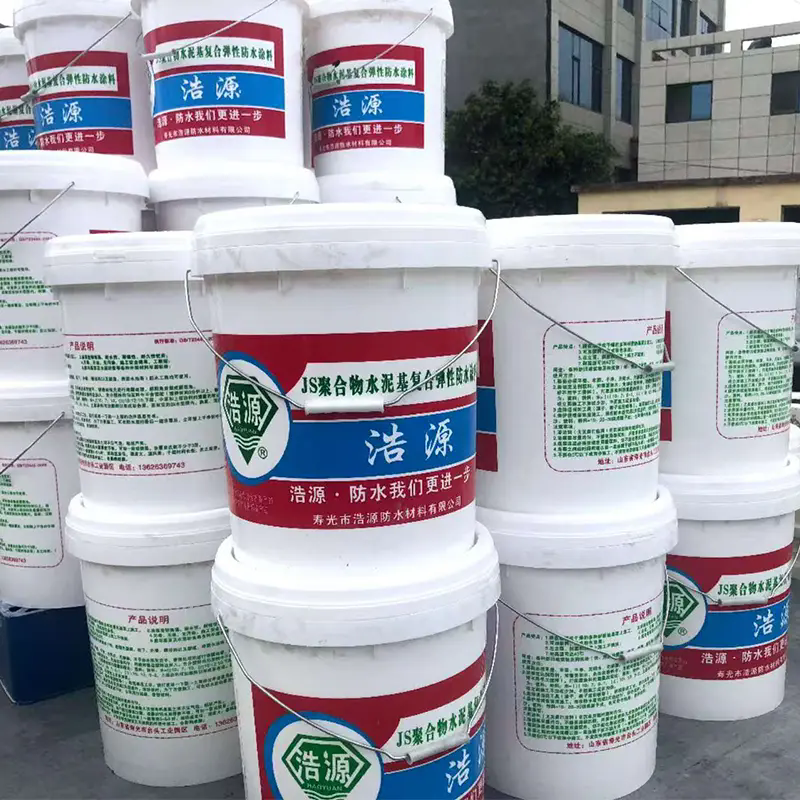
Table of Contents
- Introduction
- What is Polymer Cement-based Waterproof Coating?
- Benefits of Polymer Cement-based Waterproof Coatings
- Application Methods
- Technical Specifications
- Common Problems and Solutions
- FAQ
- Contact Information
Introduction
Waterproofing is critical for extending the lifespan of concrete structures, preventing leakage, mold growth, and structural damage. Traditional waterproofing solutions often fail under harsh weather or prolonged water exposure. Polymer cement-based waterproof coatings combine the strength of cement with the flexibility of polymers, providing a long-lasting solution.
What is Polymer Cement-based Waterproof Coating?
Polymer cement-based waterproof coatings are a blend of high-quality cement and polymer additives. These coatings form a durable, flexible, and impermeable layer on surfaces such as rooftops, basements, swimming pools, and tunnels.
- Composition: Cement, fine aggregates, polymer emulsions, and additives.
- Surface Compatibility: Concrete, masonry, and some metal surfaces.
- Durability: Resistant to water, UV radiation, and cracking.
Benefits of Polymer Cement-based Waterproof Coatings
Using polymer cement-based coatings provides multiple advantages:
- High Adhesion: Bonds tightly with concrete surfaces.
- Flexibility: Accommodates structural movement without cracking.
- Waterproofing Performance: Forms a dense, impermeable barrier against water penetration.
- Durability: Resistant to chemicals, UV rays, and temperature fluctuations.
- Environmentally Friendly: Non-toxic, low VOC emissions.
| Feature | Benefit |
|---|---|
| Crack Resistance | Prevents water leakage through minor structural cracks |
| Easy Application | Brush, roller, or spray application saves time and labor |
| Long Service Life | Reduces maintenance costs and enhances building longevity |
Application Methods
Proper application is essential for optimal performance:
- Surface Preparation: Clean and repair the substrate, remove dust, oil, or loose particles.
- Primer Layer: Apply a polymer-based primer to enhance adhesion.
- Main Coating: Apply 2–3 layers of polymer cement-based coating with recommended drying time between layers.
- Curing: Keep the surface moist for several days to allow proper polymer-cement bonding.
Technical Specifications
The following table provides typical technical specifications:
| Property | Value |
|---|---|
| Density | 1.7–1.9 g/cm³ |
| Water Absorption | < 5% |
| Adhesion to Concrete | > 1.0 MPa |
| Flexibility | Crack bridging up to 0.5 mm |
| Service Temperature | -20°C to 80°C |
Common Problems and Solutions
Even high-quality coatings can face issues if applied improperly:
- Peeling or Bubbling: Usually caused by insufficient surface preparation. Solution: Ensure the surface is clean and dry before application.
- Cracking: Can occur if layers are too thin. Solution: Apply multiple, even layers as recommended.
- Efflorescence: Salt deposits appearing on the surface. Solution: Use high-quality polymer additives and proper curing techniques.
FAQ
Contact Information
For reliable, high-performance waterproofing solutions, trust Shandong Haoyuan Waterproof Technology Group Co., Ltd.. Our polymer cement-based waterproof coatings ensure long-lasting protection for all your construction projects. Contact us today for customized solutions and technical support.