

How Does HDPE Pipe Ensure Durable Piping Systems?
2026-06-29
Abstract
HDPE (High-Density Polyethylene) pipes have become one of the most reliable solutions for modern fluid transportation systems. Known for their exceptional flexibility, corrosion resistance, and long service life, HDPE pipes are widely used in water supply, gas distribution, mining, agriculture, and industrial applications. This article explores how HDPE Pipe technology works, its advantages, installation practices, and why industries increasingly rely on solutions provided by manufacturers like East Boom. The goal is to help engineers, project managers, and procurement teams understand the real-world value of HDPE piping systems and how they solve common infrastructure challenges.
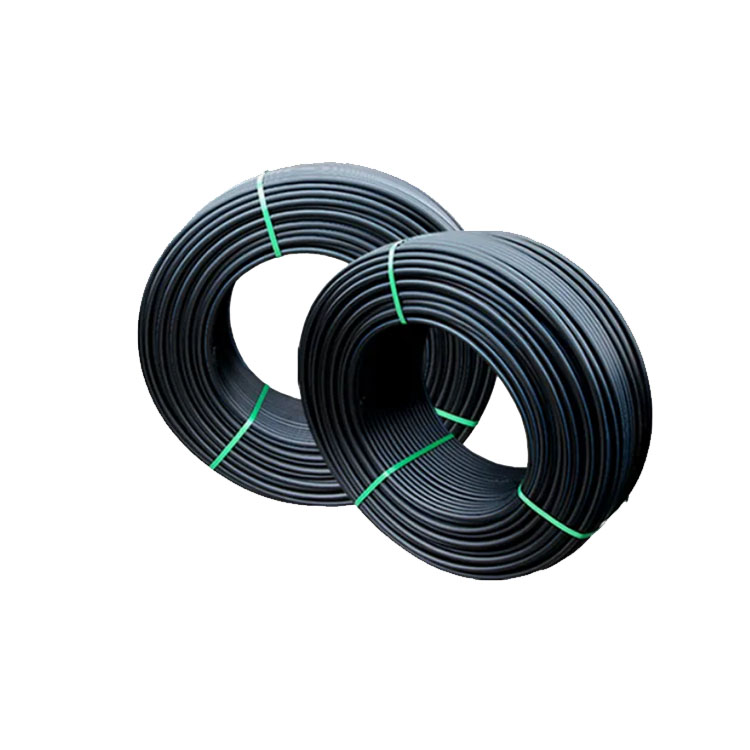
Table of Contents
- Introduction to HDPE Pipe Systems
- What Is HDPE Pipe Made Of?
- Key Advantages of HDPE Pipe
- Industrial Applications
- Installation Methods and Best Practices
- HDPE vs Traditional Pipe Materials
- Common Challenges and Solutions
- Maintenance and Service Life
- Environmental and Sustainability Impact
- Frequently Asked Questions
- Conclusion
Introduction to HDPE Pipe Systems
HDPE Pipe systems are engineered to transport liquids and gases efficiently under varying pressure and environmental conditions. Unlike traditional materials such as steel or PVC, HDPE offers a unique combination of toughness and flexibility. This allows pipelines to adapt to ground movement, temperature fluctuations, and external pressure without cracking or leaking.
Industries facing frequent pipeline failures often switch to HDPE solutions due to their ability to significantly reduce maintenance costs and downtime. Companies like East Boom have contributed to advancing HDPE manufacturing standards, ensuring consistency and performance across demanding applications.
What Is HDPE Pipe Made Of?
HDPE Pipe is manufactured from high-density polyethylene resin, a thermoplastic polymer known for its strong molecular bonding structure. This structure gives the pipe its durability and resistance to environmental stress cracking.
- Material base: Polyethylene with high density molecular chains
- Structure: Smooth inner wall for reduced friction
- Flexibility: Capable of bending without breaking
- Resistance: Chemical, UV, and corrosion resistance
Key Advantages of HDPE Pipe
The widespread adoption of HDPE Pipe systems is driven by their technical and economic benefits. These advantages directly solve many pain points in traditional piping systems such as leakage, corrosion, and high maintenance costs.
- Corrosion resistance: Unlike metal pipes, HDPE does not rust or corrode.
- Long service life: Can last more than 50 years under proper conditions.
- Leak-free joints: Heat fusion technology creates seamless connections.
- High flexibility: Reduces need for fittings and joints.
- Cost efficiency: Lower installation and maintenance costs over time.
Industrial Applications
HDPE Pipe systems are used in a wide range of industries due to their adaptability and strength. Below are the most common applications:
- Municipal water supply networks
- Gas distribution systems
- Mining slurry transportation
- Irrigation and agricultural systems
- Chemical and industrial fluid transport
- Drainage and sewage systems
Manufacturers such as East Boom provide HDPE Pipe solutions tailored to these industries, ensuring compliance with international engineering standards.
Installation Methods and Best Practices
Proper installation is critical to maximizing the performance of HDPE Pipe systems. Unlike rigid pipes, HDPE requires fusion-based joining techniques that ensure system integrity.
- Butt fusion welding: Joins two pipe ends under heat and pressure.
- Electrofusion: Uses embedded heating elements for precise connections.
- Trench installation: Requires proper bedding and alignment.
Installation checklist:
- Ensure pipe surface is clean and dry
- Use calibrated fusion equipment
- Maintain correct temperature and pressure
- Perform pressure testing after installation
HDPE vs Traditional Pipe Materials
| Feature | HDPE Pipe | Steel Pipe | PVC Pipe |
|---|---|---|---|
| Corrosion Resistance | Excellent | Poor (requires coating) | Good |
| Flexibility | High | Low | Medium |
| Service Life | 50+ years | 20–40 years | 25–40 years |
| Leak Risk | Very Low | Medium to High | Medium |
Common Challenges and Solutions
Although HDPE Pipe systems are highly reliable, certain challenges may arise if not properly handled during installation or operation.
- Improper fusion joints: Solved by trained operators and calibrated tools.
- Thermal expansion: Managed through proper pipeline design.
- Mechanical damage: Avoided with correct trenching and protection layers.
Working with experienced suppliers like East Boom ensures technical guidance and product consistency, reducing operational risks.
Maintenance and Service Life
One of the major advantages of HDPE Pipe systems is minimal maintenance requirement. Unlike metal pipelines that require anti-corrosion treatment, HDPE systems maintain performance with little intervention.
- Routine inspection of joints and fittings
- Pressure monitoring in high-demand systems
- Occasional cleaning in sediment-heavy applications
With proper installation, HDPE pipelines can operate reliably for decades without major repair requirements.
Environmental and Sustainability Impact
HDPE Pipe contributes significantly to sustainable infrastructure development. Its production process consumes less energy compared to metal alternatives, and the material is recyclable.
- Recyclable thermoplastic material
- Reduced leakage prevents water loss
- Long lifespan reduces replacement frequency
- Lower carbon footprint in transportation systems
Companies like East Boom continue to improve manufacturing processes to support environmentally responsible infrastructure solutions.
Frequently Asked Questions
1. How long does HDPE Pipe last?
Typically more than 50 years under standard operating conditions.
2. Can HDPE Pipe be used for drinking water?
Yes, it is widely used in potable water systems due to its non-toxic properties.
3. Is HDPE Pipe resistant to chemicals?
Yes, it offers strong resistance to most acids, alkalis, and industrial chemicals.
4. What is the main joining method?
Heat fusion methods such as butt fusion and electrofusion are commonly used.
Conclusion
HDPE Pipe systems represent a modern, reliable, and cost-effective solution for fluid transport across multiple industries. Their durability, flexibility, and corrosion resistance make them superior to many traditional piping materials. From municipal water systems to industrial applications, HDPE continues to redefine pipeline engineering standards.
With strong manufacturing capabilities and technical support, East Boom delivers high-quality HDPE Pipe solutions designed to meet global infrastructure demands. Whether for large-scale industrial projects or municipal systems, HDPE remains a future-ready choice for sustainable development.
For professional consultation, technical specifications, or project support, contact us at East Boom today. contact us to explore the right HDPE Pipe solution for your needs.