

How Does Epoxy Adhesive Provide Strong and Reliable Bonding Solutions?
2026-07-30
Article Summary
Epoxy Adhesive has become an essential bonding solution across industries where strength, durability, and resistance are critical. From industrial manufacturing and automotive assembly to electronics, construction, and daily applications, epoxy-based bonding systems help solve common challenges such as weak adhesion, environmental damage, and material compatibility issues. This article explains how Epoxy Adhesive works, why it is widely used, how to choose the right formulation, and how Jiangnan Adhesives delivers reliable adhesive solutions for different customer requirements.
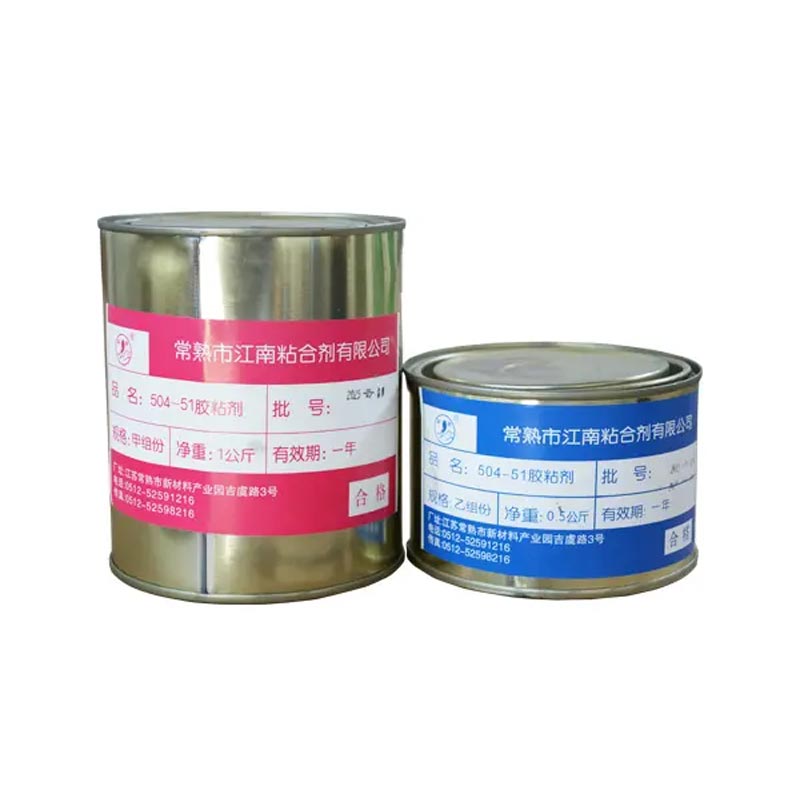
Table of Contents
- 1. What Is Epoxy Adhesive?
- 2. How Does Epoxy Adhesive Work?
- 3. Why Choose Epoxy Adhesive for Industrial Applications?
- 4. Where Is Epoxy Adhesive Commonly Used?
- 5. How to Select the Right Epoxy Adhesive?
- 6. Epoxy Adhesive Compared with Other Adhesive Types
- 7. Best Practices for Using Epoxy Adhesive
- 8. Frequently Asked Questions About Epoxy Adhesive
1. What Is Epoxy Adhesive?
Epoxy Adhesive is a high-performance bonding material made from epoxy resin and curing agents. When these two components are mixed together, a chemical reaction occurs that transforms the liquid adhesive into a strong, durable polymer structure.
Unlike traditional adhesives that mainly rely on surface bonding, epoxy adhesives create strong mechanical and chemical connections between different materials. This allows them to bond metals, plastics, ceramics, glass, wood, composites, and many other substrates.
Modern manufacturing requires adhesives that can withstand vibration, temperature changes, moisture, chemicals, and long-term stress. Epoxy Adhesive meets these demanding requirements by providing excellent structural strength and dependable performance.
Jiangnan Adhesives focuses on developing advanced adhesive solutions designed for industrial customers who require stable quality, strong bonding performance, and customized options for different applications.
2. How Does Epoxy Adhesive Work?
The performance of Epoxy Adhesive comes from its unique curing process. Before curing, epoxy adhesive is usually a liquid or paste material that can easily spread across surfaces. After mixing resin and hardener, the adhesive begins to form cross-linked molecular structures.
This chemical network provides excellent bonding strength and creates a protective layer between connected materials.
| Stage | Description | Customer Benefit |
|---|---|---|
| Surface Preparation | Surfaces are cleaned and prepared to improve adhesion. | Creates stronger and more stable bonding. |
| Mixing Process | Epoxy resin reacts with curing agents. | Ensures proper chemical performance. |
| Curing Stage | The adhesive hardens and forms a durable structure. | Provides long-term strength and reliability. |
| Final Bonding | The connected materials become a stable assembly. | Reduces maintenance and replacement costs. |
The curing speed and final properties depend on the epoxy formulation, temperature, humidity, and application environment. Selecting the correct adhesive type is essential for achieving the expected results.
3. Why Choose Epoxy Adhesive for Industrial Applications?
Many industries face challenges when connecting different materials. Traditional mechanical fastening methods may increase production complexity, add weight, or create stress concentration points. Epoxy Adhesive provides an alternative solution with several advantages.
- Excellent Bonding Strength: Epoxy adhesives provide strong structural connections suitable for demanding applications.
- Wide Material Compatibility: They can bond various materials, including metals, composites, ceramics, and plastics.
- Resistance to Harsh Environments: Proper epoxy formulations can withstand moisture, chemicals, temperature fluctuations, and mechanical stress.
- Reduced Manufacturing Complexity: Adhesive bonding can simplify assembly processes and reduce the need for screws, welding, or additional components.
- Long Service Life: High-quality epoxy adhesives maintain performance over extended operating periods.
For manufacturers, these benefits help improve product quality, increase production efficiency, and reduce failure risks caused by weak connections.
4. Where Is Epoxy Adhesive Commonly Used?
Because of its excellent performance characteristics, Epoxy Adhesive is widely applied in multiple industries.
| Industry | Application Examples | Main Requirements |
|---|---|---|
| Automotive | Component assembly, interior parts, structural bonding | High strength and vibration resistance |
| Electronics | Encapsulation, insulation, component fixing | Electrical protection and stability |
| Construction | Concrete repair, reinforcement, material bonding | Durability and environmental resistance |
| Industrial Equipment | Machine parts and metal bonding | Load-bearing performance |
| Marine Applications | Composite structures and repairs | Water resistance and long-term reliability |
Different applications require different epoxy characteristics. For example, electronics manufacturers may need insulation properties, while automotive companies may prioritize impact resistance and durability.
5. How to Select the Right Epoxy Adhesive?
Choosing the correct Epoxy Adhesive requires evaluating several important factors. Using an unsuitable adhesive can result in poor bonding performance, reduced durability, or unexpected failures.
- Material Type: Confirm whether the adhesive is compatible with the surfaces being bonded.
- Operating Environment: Consider temperature, moisture, chemical exposure, and mechanical stress.
- Curing Requirements: Select between fast-curing and slow-curing options depending on production needs.
- Bond Strength: Evaluate whether the application requires flexible bonding or high structural strength.
- Application Method: Consider manual application, automated dispensing, or large-scale production requirements.
Jiangnan Adhesives provides professional adhesive solutions to help customers select suitable products according to their production conditions and performance expectations.
6. Epoxy Adhesive Compared with Other Adhesive Types
| Adhesive Type | Strength | Temperature Resistance | Typical Uses |
|---|---|---|---|
| Epoxy Adhesive | Excellent | High | Industrial bonding, structural applications |
| Acrylic Adhesive | Good | Moderate | General assembly and quick bonding |
| Silicone Adhesive | Moderate | Excellent flexibility | Sealing and flexible applications |
| Polyurethane Adhesive | Good | Good | Construction and composite materials |
Compared with many adhesive technologies, epoxy adhesive provides an outstanding balance between strength, chemical resistance, and durability, making it suitable for applications where reliability is a priority.
7. Best Practices for Using Epoxy Adhesive
Proper application methods are important for maximizing adhesive performance. The following practices can help achieve stronger bonding results:
- Clean surfaces thoroughly to remove oil, dust, and contaminants.
- Follow the recommended mixing ratio between resin and curing agent.
- Apply the correct adhesive amount to avoid insufficient or excessive bonding layers.
- Maintain suitable temperature and humidity during curing.
- Allow enough curing time before applying heavy loads.
Incorrect preparation or improper curing conditions can significantly reduce bonding performance. Following professional guidelines ensures stable and reliable results.
8. Frequently Asked Questions About Epoxy Adhesive
Q1: What materials can Epoxy Adhesive bond?
Epoxy Adhesive can bond many materials, including metals, plastics, ceramics, glass, wood, and composite materials. The exact bonding performance depends on the adhesive formulation and surface conditions.
Q2: How long does Epoxy Adhesive take to cure?
Curing time varies depending on product type, temperature, and application conditions. Some formulations cure quickly, while others require longer periods to achieve maximum strength.
Q3: Is Epoxy Adhesive resistant to water?
Many epoxy adhesive products provide excellent moisture resistance after curing. However, the specific water resistance level depends on the formulation and intended application.
Q4: Can Epoxy Adhesive replace mechanical fasteners?
In many applications, epoxy adhesive can reduce or replace traditional fastening methods. However, engineers should evaluate load requirements and environmental conditions before making a decision.
Q5: Why choose Jiangnan Adhesives for epoxy solutions?
Jiangnan Adhesives combines technical experience, product development capabilities, and manufacturing expertise to provide reliable epoxy adhesive solutions for different industries. The company focuses on helping customers achieve stronger, safer, and more efficient bonding results.
Conclusion
Epoxy Adhesive plays an important role in modern manufacturing by providing strong, durable, and versatile bonding performance. Its ability to connect different materials, resist harsh conditions, and improve assembly efficiency makes it a preferred choice across many industries.
With professional adhesive technology and customer-focused solutions, Jiangnan Adhesives continues to support businesses looking for dependable bonding products. If you need customized epoxy adhesive solutions for your application requirements, please contact us today to discuss your project needs and receive professional support.