
How Does Epoxy Adhesive Deliver High-Strength Bonding in Industrial Applications?
2026-06-01
Abstract
Epoxy adhesive is one of the most widely used high-performance bonding materials across manufacturing, construction, automotive, and electronics industries. Its exceptional mechanical strength, chemical resistance, and long-term durability make it a preferred solution for demanding environments where conventional adhesives fail. This article explains how epoxy adhesive works, its key properties, selection criteria, real-world applications, and best practices for achieving optimal bonding performance. It also addresses common challenges users face and provides practical solutions to improve reliability and efficiency in bonding operations.
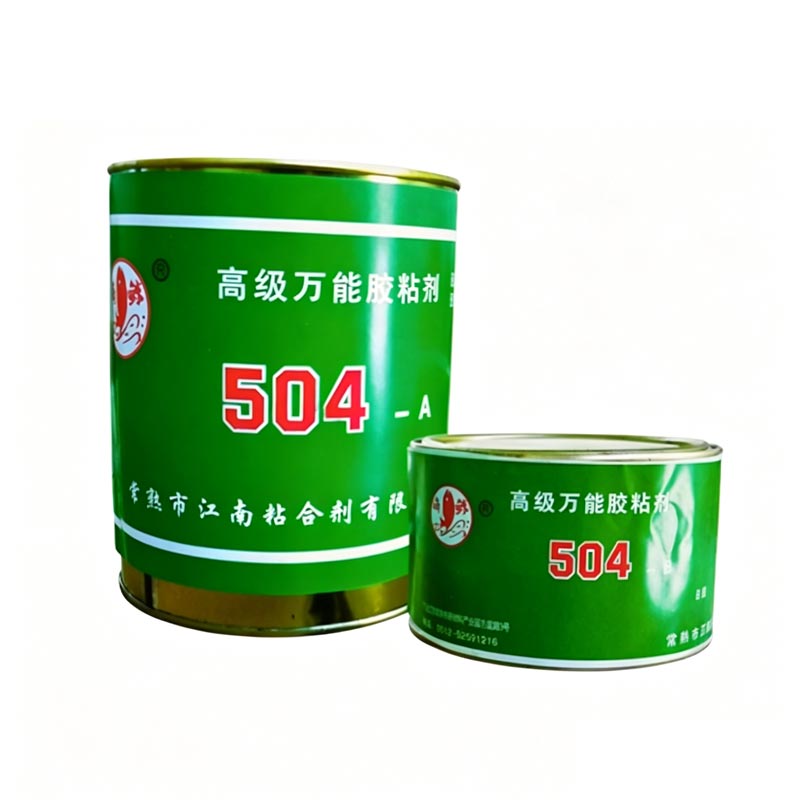
Table of Contents
- Introduction
- What is Epoxy Adhesive?
- How Epoxy Adhesive Works
- Key Properties and Advantages
- Industrial Applications
- How to Choose the Right Epoxy Adhesive
- Epoxy Adhesive vs Other Adhesives
- Common Problems and Solutions
- Best Practices for Application
- FAQ
- Conclusion
Introduction
In industrial manufacturing and engineering environments, bonding performance is critical to structural integrity, product reliability, and operational safety. Epoxy adhesive has emerged as a leading solution due to its superior adhesion to metals, plastics, ceramics, and composite materials. Unlike mechanical fastening methods, epoxy creates a continuous bond line that distributes stress evenly and minimizes failure points.
However, many users still face challenges such as improper curing, weak bonding on contaminated surfaces, or incorrect product selection. Understanding the science and application of epoxy adhesive is essential for maximizing its effectiveness.
What is Epoxy Adhesive?
Epoxy adhesive is a thermosetting polymer system composed of two primary components: resin and hardener. When mixed, a chemical reaction occurs that forms a rigid, cross-linked structure with exceptional strength and durability.
- Epoxy Resin: Provides adhesion and base structural properties
- Hardener (Curing Agent): Initiates chemical cross-linking reaction
- Additives: Modify flexibility, curing speed, and resistance properties
Once cured, epoxy becomes a solid thermoset material that cannot be remelted, making it ideal for permanent bonding applications.
How Epoxy Adhesive Works
The performance of epoxy adhesive is based on a chemical curing mechanism rather than simple drying. When resin and hardener are combined, polymer chains begin to form a dense three-dimensional network.
This process includes three stages:
- Mixing Stage: Resin and hardener are blended in precise ratios
- Gel Stage: Mixture begins thickening as cross-linking starts
- Curing Stage: Full molecular network develops, achieving maximum strength
The resulting bond is highly resistant to heat, moisture, chemicals, and mechanical stress, making epoxy adhesive suitable for extreme environments.
Key Properties and Advantages
Epoxy adhesive offers a combination of physical and chemical properties that distinguish it from other bonding materials.
| Property | Performance Benefit |
|---|---|
| High Tensile Strength | Withstands heavy loads and structural stress |
| Chemical Resistance | Resists acids, alkalis, and solvents |
| Thermal Stability | Performs in high and low temperature conditions |
| Excellent Adhesion | Bonds to metals, plastics, and composites |
| Low Shrinkage | Maintains dimensional stability during curing |
These properties make epoxy adhesive a reliable choice for long-term structural bonding applications.
Industrial Applications
Epoxy adhesive is widely used across multiple industries due to its versatility and durability.
- Automotive Industry: Body panel bonding, structural reinforcement, and repair
- Electronics: Encapsulation, insulation, and component assembly
- Construction: Concrete repair, anchoring systems, and flooring
- Aerospace: Lightweight composite bonding
- Marine: Waterproof sealing and corrosion resistance
Each application requires specific formulation adjustments to ensure optimal performance under operational conditions.
How to Choose the Right Epoxy Adhesive
Selecting the correct epoxy adhesive depends on environmental conditions, substrate type, and mechanical requirements.
- Load Requirements: Determine tensile and shear strength needs
- Temperature Range: Ensure thermal compatibility
- Curing Time: Choose between fast or slow curing systems
- Environmental Exposure: Consider moisture and chemical resistance
- Viscosity: Match application method (brush, injection, or spreading)
Manufacturers like Jiangnan Adhesives provide tailored epoxy formulations designed for specific industrial requirements, ensuring optimal bonding efficiency and long-term stability.
Epoxy Adhesive vs Other Adhesives
| Type | Strength | Durability | Best Use Case |
|---|---|---|---|
| Epoxy Adhesive | Very High | Excellent | Structural and industrial bonding |
| Polyurethane Adhesive | Medium | Good | Flexible joints |
| Cyanoacrylate | Medium | Moderate | Small repairs and fast bonding |
Compared to other adhesive types, epoxy offers superior mechanical strength and environmental resistance, making it ideal for demanding applications.
Common Problems and Solutions
- Weak Bonding: Often caused by surface contamination. Solution: clean and degrease surfaces thoroughly.
- Improper Curing: Incorrect mixing ratios can affect performance. Solution: follow manufacturer instructions precisely.
- Brittle Bond: Excessive curing temperature or incorrect formulation. Solution: select flexible epoxy variants if needed.
- Air Bubbles: Improper mixing technique. Solution: mix slowly and evenly.
Best Practices for Application
To achieve optimal results with epoxy adhesive, proper application procedures must be followed.
- Ensure surfaces are dry, clean, and free of oil or dust
- Maintain correct resin-to-hardener ratio
- Apply uniform pressure during curing
- Allow full curing time before load-bearing use
- Store materials in controlled temperature conditions
Following these guidelines significantly improves bonding reliability and extends service life.
FAQ
Q1: How long does epoxy adhesive take to cure?
Curing time varies from a few minutes to 24 hours depending on formulation and temperature conditions.
Q2: Can epoxy adhesive be used on plastic?
Yes, but surface preparation is critical. Some plastics may require primers for better adhesion.
Q3: Is epoxy waterproof?
Fully cured epoxy adhesive offers excellent water resistance, making it suitable for marine and outdoor applications.
Q4: Can epoxy be removed after curing?
Once cured, epoxy is extremely difficult to remove and usually requires mechanical or thermal methods.
Conclusion
Epoxy adhesive remains one of the most reliable bonding technologies in modern industrial applications due to its exceptional strength, durability, and resistance to harsh environments. Its performance depends not only on chemical formulation but also on proper selection and application techniques.
For industries seeking stable, high-performance bonding solutions, Jiangnan Adhesives provides advanced epoxy adhesive systems engineered for demanding operational conditions. Whether for structural assembly, repair, or protective encapsulation, choosing the right epoxy system significantly enhances product lifespan and safety.
Jiangnan Adhesives – contact us today to explore customized epoxy adhesive solutions tailored to your industrial needs.