

How Does Baking Paper Improve Baking and Cooking Efficiency?
2026-04-10
Abstract
Baking paper, also known as parchment paper, is a fundamental kitchen material widely used in baking, roasting, and food preparation. This article explores how baking paper enhances cooking efficiency, prevents food sticking, improves heat distribution, and reduces cleanup time. It also provides practical guidance for selecting the right baking paper, solving common usage issues, and understanding its industrial production and applications. Whether you are a home baker or a commercial food producer, this guide will help you fully understand the value of baking paper in modern culinary environments.
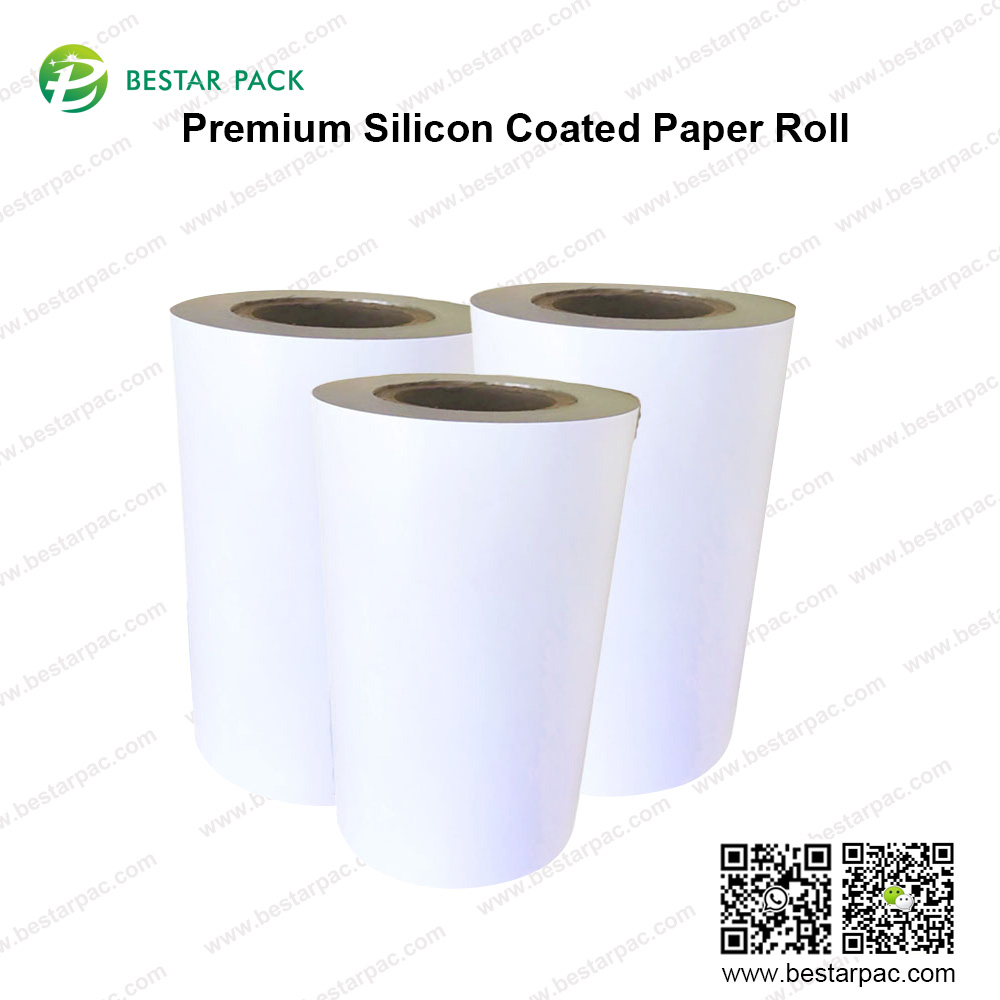
Table of Contents
Overview of Baking Paper
Baking paper is a specially treated cellulose-based paper designed to withstand high temperatures while preventing food from sticking to trays, molds, and pans. It is commonly coated with silicone, giving it non-stick, grease-resistant, and heat-stable properties. In both home kitchens and industrial baking facilities, baking paper plays a critical role in ensuring consistent cooking results and improving operational efficiency.
Modern baking workflows increasingly rely on standardized materials such as baking paper to maintain hygiene, reduce waste, and optimize production speed.
Key Functions of Baking Paper
- Non-stick surface: Prevents baked goods from sticking to trays or molds.
- Heat resistance: Withstands typical oven temperatures without burning or degrading.
- Moisture control: Helps regulate moisture retention in baked goods.
- Easy cleanup: Eliminates the need for scrubbing baking trays.
- Food separation: Useful for layering cookies, pastries, and frozen foods.
Materials & Manufacturing Process
High-quality baking paper is manufactured using refined wood pulp that undergoes chemical processing to achieve purity and strength. The paper is then coated with food-grade silicone, which provides its signature non-stick performance.
Manufacturing steps typically include:
- Pulp refinement and fiber purification
- Sheet formation under controlled conditions
- Silicone coating application on one or both sides
- Drying and curing at high temperatures
- Quality inspection and cutting into rolls or sheets
Applications in Baking & Cooking
Baking paper is widely used across multiple culinary processes. Its versatility makes it a staple in both household kitchens and commercial bakeries.
- Baking cookies, cakes, and pastries
- Roasting vegetables and meats
- Steaming fish or dumplings in parchment packets
- Freezing layered foods like burger patties or dough sheets
- Lining cake molds for uniform baking results
Major Benefits
The adoption of baking paper offers several operational and culinary advantages:
| Benefit | Description |
|---|---|
| Time Efficiency | Reduces preparation and cleanup time significantly |
| Consistency | Ensures even baking and uniform results |
| Hygiene | Minimizes direct contact between food and baking surfaces |
| Cost Reduction | Decreases need for oil, butter, or cleaning agents |
Common Problems & Solutions
1. Paper curling in the oven
Solution: Lightly grease tray corners to hold paper in place.
2. Browning inconsistency
Solution: Ensure proper oven temperature calibration.
3. Paper sticking to food
Solution: Use high-quality silicone-coated baking paper.
4. Overheating damage
Solution: Do not exceed manufacturer temperature limits (usually 220–250°C).
Comparison Table: Baking Paper vs Alternatives
| Material | Non-stick Ability | Heat Resistance | Reusability | Cleanup Ease |
|---|---|---|---|---|
| Baking Paper | High | High | Low | Very Easy |
| Aluminum Foil | Medium | High | Medium | Moderate |
| Silicone Mat | High | High | High | Easy |
Buying Guide
When selecting baking paper, consider the following factors to ensure optimal performance:
- Heat resistance level: Choose based on your oven temperature range.
- Silicone coating quality: Higher coating ensures better non-stick performance.
- Thickness: Thicker paper is more durable for heavy baking tasks.
- Food safety certification: Ensure compliance with food-grade standards.
- Packaging format: Rolls for flexibility, sheets for convenience.
Reference product standards and industrial insights can be explored through professional suppliers such as BESTAR PACK GROUP LIMITED, which provides tailored baking paper solutions for commercial and retail needs.
Why BESTAR PACK GROUP LIMITED
BESTAR PACK GROUP LIMITED specializes in high-quality packaging and baking paper solutions designed for both industrial and consumer markets. With advanced production technology and strict quality control systems, the company ensures consistent product performance across different applications.
Their baking paper products are designed to meet diverse baking requirements, offering excellent non-stick properties, heat stability, and customizable specifications for global clients.
FAQ
Q1: Can baking paper be reused?
It depends on usage conditions. Light baking may allow limited reuse, but greasy or high-temperature use reduces durability.
Q2: Is baking paper safe for high temperatures?
Yes, most baking papers are safe up to 220–250°C depending on coating quality.
Q3: Can baking paper replace greasing?
In most cases, yes. It eliminates or significantly reduces the need for oil or butter.
Q4: What is the difference between baking paper and wax paper?
Wax paper is not heat-resistant and should not be used in ovens, while baking paper is designed for high heat applications.
Conclusion
Baking paper is an essential kitchen material that significantly improves cooking efficiency, hygiene, and consistency. Its non-stick and heat-resistant properties make it indispensable in modern baking environments. From home kitchens to large-scale food production, its role continues to expand as demand for efficient and clean cooking solutions increases.
For businesses seeking reliable and high-performance baking paper products, BESTAR PACK GROUP LIMITED provides professional-grade solutions tailored to diverse baking and packaging needs.
Contact us today at BESTAR PACK GROUP LIMITED to explore premium baking paper solutions designed to enhance your production efficiency and product quality.