

How Does an EAS Deactivator Improve Retail Loss Prevention Efficiency?
2025-12-11
Retail security continues to evolve as merchants search for more reliable, precise, and high-throughput solutions to reduce shrinkage without slowing checkout performance. Among these technologies, the EAS Deactivator plays a critical operational role in disabling electronic article surveillance labels at the point of sale while preserving customer experience.
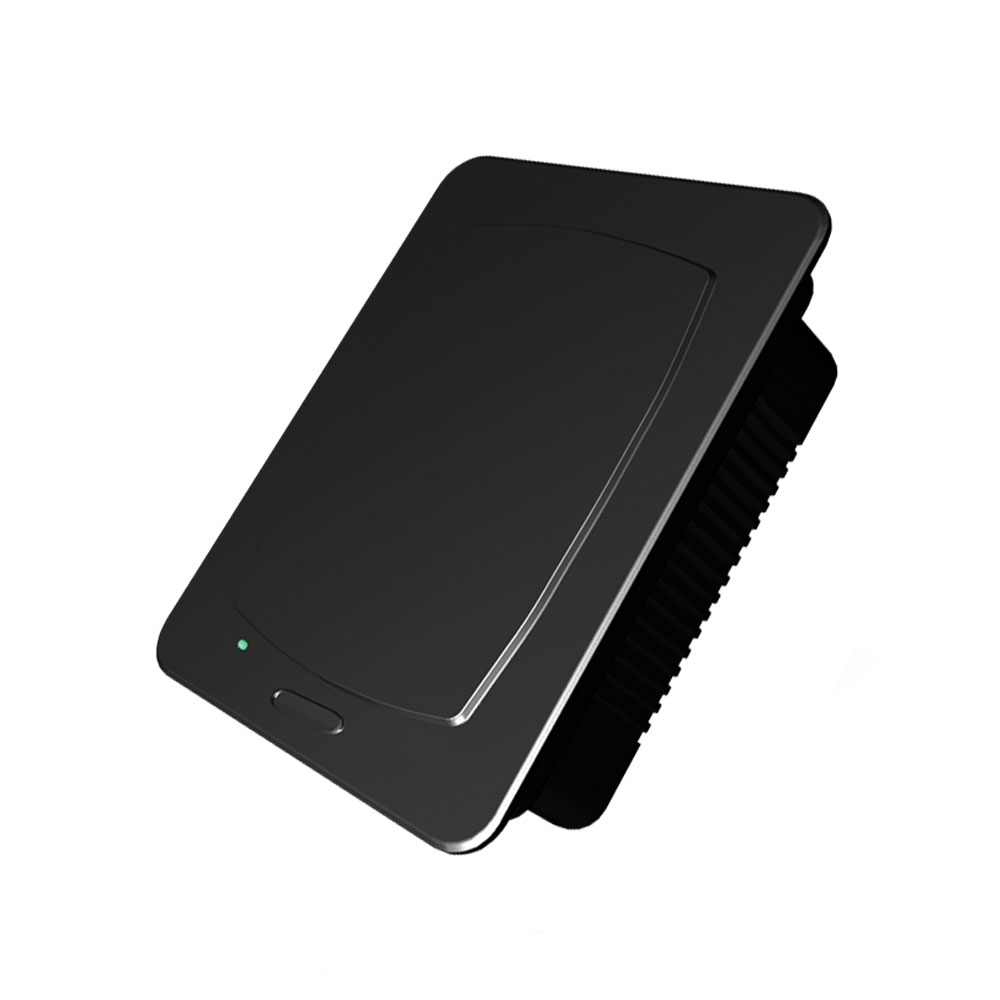
What Is an EAS Deactivator and Why Is It Central to Retail Security Workflows?
An EAS Deactivator is a high-precision electronic system designed to deactivate soft EAS labels or tags during the checkout process through electromagnetic or RF-based energy transfer. Once deactivated, the label no longer triggers store exit antennas, enabling legitimate purchases to leave the premises without incident. The device is typically deployed at cashier desks, self-checkout lanes, and high-volume retail counters. While the core mechanism is straightforward, high-performing deactivation systems distinguish themselves through scanning sensitivity, label deactivation range, interference management, processing speed, ergonomics, and integration capacity.
The purpose of this article is to analyze how an EAS Deactivator enhances operational efficiency, accuracy, and throughput in retail environments, and how retailer-focused engineering principles influence performance across a product’s lifecycle. Additionally, this document details the technical specifications common to professional-grade units and provides an in-depth evaluation of performance criteria sought by corporate procurement teams. To support reader clarity, the following parameter table consolidates reference specifications that represent mainstream deactivator architecture typically used in retail security deployments.
Representative Technical Parameters of an EAS Deactivator
| Parameter Category | Typical Specification | Description |
|---|---|---|
| Working Frequency | 58 kHz (AM), 8.2 MHz (RF) | Supports major global EAS formats used in retail environments |
| Deactivation Distance | 0–20 cm (varies by label type) | Effective read/deactivate range above the pad surface |
| Detection Height | Up to 25 cm | Identifies label presence before deactivation |
| Response Time | < 0.3 seconds | Speed of deactivation cycle to maintain high checkout throughput |
| Power Supply | 110–240V AC | Suitable for multi-region retail operations |
| Connectivity | RS232 / USB / Optional network modules | Supports POS interfacing and integration into retail data systems |
| Indicators | LED + Acoustic Alerts | Confirms successful or failed deactivation |
| Installation Mode | Counter-mount or flush-mount | Supports varied retail checkout designs |
| Compatible Label Types | Soft labels, AM tags, RF labels | Ensures wide applicability across merchandise categories |
This reference framework prepares the foundation for deeper evaluation of process performance, system integration, and long-term operational impact.
How Does an EAS Deactivator Streamline Checkout Efficiency and Accuracy?
EAS Deactivators contribute to retail operations in ways that go beyond simply disabling labels. Their design affects scanning workflow, queue speed, cashier workload, and the reduction of false-positive alarms. When properly deployed, they serve as a core operational control point that binds security, customer experience, and store efficiency.
Checkout Workflow Optimization
High-performance deactivators deliver rapid electromagnetic energy pulses that deactivate AM or RF tags within milliseconds. Their fast response time supports continuous checkout flow, particularly during peak hours. Units with broad deactivation fields allow cashiers to deactivate labels without precise alignment, reducing motion redundancy and increasing transaction speed. Over thousands of daily checkouts, this accumulated efficiency translates into measurable labor cost reduction.
Reduction of False Alarms at Store Exits
False alarms degrade customer experience and consume staff attention. Sophisticated EAS Deactivators minimize incomplete deactivations through more stable electromagnetic field output and sensitive label-presence detection. When combined with high-quality EAS labels, properly calibrated units significantly reduce alarm incidents and bolster customer trust.
Integration with Digital Retail Ecosystems
Modern retail workflows emphasize interoperability. EAS Deactivators equipped with data-capable USB or RS232 connectivity can link to POS platforms to register deactivation events in sync with barcode scans. This allows corporate teams to quantify compliance metrics, audit security patterns, and bridge the gap between loss prevention teams and operational managers.
Extended Durability for High-Volume Retail
Sectors including grocery, supermarket, pharmacy, fashion, and electronics often process tens of thousands of items daily. High-throughput deactivators rely on stable electromagnetic field generators, robust shielding, and thermal management to prevent overheating or signal drift. Industrial-grade models include surge protection and noise-suppression components to operate continuously in electrically noisy retail environments.
How Do Performance Variables Influence Procurement Decisions for EAS Deactivators?
Corporate procurement teams assess deactivators using a multi-criteria framework that balances operational efficiency, compatibility, durability, and integration capacity. This section explores key factors that stakeholders evaluate when selecting deactivation hardware for multi-store deployment.
Cost of Ownership and Long-Term Reliability
Beyond initial acquisition cost, retailers evaluate lifespan, maintenance cycles, and failure rates. A deactivator with superior internal shielding and high-tolerance circuit design typically offers longer operational years, reducing replacement frequency across chains.
Compatibility Across Multi-Category Merchandise
Retailers specializing in apparel, cosmetics, pharmaceuticals, and electronics rely on mixed EAS label inventories. A deactivator must support wide compatibility across AM and RF soft labels, ensuring that merchandise from different supply chains remains easily processed at checkout.
Interference Management and Field Stability
Retail checkout areas contain POS terminals, scanners, card readers, and communication devices. Poorly shielded deactivators may experience interference or create interference themselves. High-grade devices incorporate field tuning, metallic noise suppression, and adaptive frequency shaping to stabilize output under varying environmental conditions.
Deployment Configuration Across Store Formats
Flexible installation is essential for large retail chains with diverse checkout formats. Slimline units, flush-mount pads, and counter-mount systems allow consistent operation across conventional cashier lanes, self-checkout systems, and high-security counters such as those for cosmetics or electronics.
How Will EAS Deactivators Adapt to Retail Technology Trends?
EAS Deactivators are increasingly integrated into broader retail intelligence ecosystems. Several technological trends are shaping their future role and expected capabilities.
Emerging Trends in EAS Deactivation Technology
-
Predictive Maintenance Through System Monitoring
Embedded diagnostic modules may soon assess field strength stability, deactivation efficiency, and internal component health. Cloud-connected units can alert loss prevention teams to performance anomalies before operational disruptions occur. -
Deactivation + POS Synchronization for Data-Driven Loss Prevention
Retailers increasingly require event-level data for shrinkage analytics. Deactivators capable of logging deactivation timestamps and SKU-correlated barcode associations will support data-based interventions and improve accountability at the cashier level. -
Reduced Energy Consumption Through Intelligent Power Modes
Units with auto-standby mechanisms and smart wake-up triggers will lower total power consumption across hundreds of store installations while preserving fast activation response. -
Interoperability with Self-Checkout Systems
As self-checkout adoption expands, deactivation devices must integrate seamlessly into modular kiosks. This includes compact footprints, automated label detection, and performance reliability without cashier supervision.
Common Questions About EAS Deactivators
Q: How close must a tagged product be to the deactivation pad to ensure accurate deactivation?
A: Most professional EAS Deactivators deactivate AM or RF soft labels within a 0–20 cm range above the pad. However, optimal performance requires placing the label directly over the active zone for a brief moment. The system’s electromagnetic field activates a tuning circuit that disrupts the label’s resonant frequency. Precision and consistency improve significantly with properly calibrated hardware, high-quality labels, and trained cashier workflow.
Q: What causes incomplete deactivation and how can retailers prevent it?
A: Incomplete deactivation can result from misaligned labels, low-quality tag materials, excess cashier speed, or environmental interference near checkout devices. Retailers can reduce failure rates through consistent staff training, quality label procurement, and periodic field testing of the deactivation unit. Units with audible and visual feedback provide additional assurance, reducing the likelihood of false alarms at exit gates.
Conclusion and Contact
Retailers selecting EAS Deactivators must consider electromagnetic performance, compatibility with existing EAS systems, checkout workflow impact, and long-term operational reliability. When engineered with robust circuitry, stable deactivation fields, and modern connectivity, these devices deliver substantial value by reducing shrinkage and maintaining frictionless customer flow. The market will continue to evolve toward more integrated, data-driven security ecosystems, where deactivation hardware plays a pivotal role in end-to-end loss prevention strategies.
LIFANGMEI develops EAS Deactivators engineered for consistent performance, stable signal output, and high operational throughput across diverse store environments. These solutions are built to support retailers seeking durable, accurate, and future-ready security infrastructure.
For further information, product customization, or technical consultation, please contact us.