

Article Summary
A rubber kneader is an important piece of equipment for mixing and plasticizing rubber compounds and other high-viscosity materials. By applying mechanical shear and controlled mixing action, it helps distribute polymers, fillers, oils, and other formulation ingredients throughout a compound. Choosing the appropriate rubber kneader can improve batch consistency, simplify material handling, and support stable downstream processing.
This guide explains how a rubber kneader works, its major components, common industrial applications, important purchasing considerations, and practical maintenance measures. It also outlines how manufacturers can evaluate production requirements before investing in rubber mixing equipment.
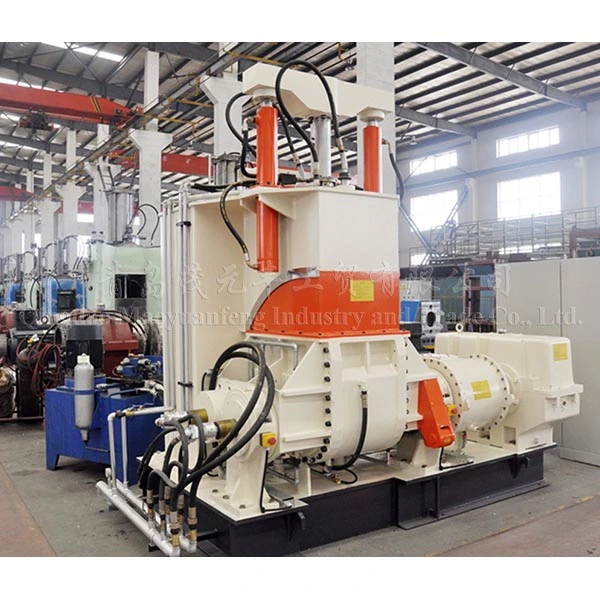
1. What Is a Rubber Kneader?
A rubber kneader is industrial mixing equipment designed to process rubber and other materials that require intensive blending, plasticization, and dispersion. It is commonly used to combine raw rubber with carbon black, silica, processing oils, plasticizers, and other formulation ingredients.
Unlike simple stirring equipment, a rubber kneader generates substantial mechanical forces within a mixing chamber. These forces help break down material agglomerates, distribute ingredients, and produce a more uniform compound when the formulation and operating conditions are properly controlled.
Rubber kneaders are particularly useful when manufacturers need to process viscous materials in a relatively enclosed chamber. Depending on the machine design, they can support different batch sizes, mixing requirements, and production workflows.
Why Is Mixing Quality So Important?
Rubber compound quality depends on more than the quality of the raw materials. Poor ingredient dispersion can contribute to inconsistent physical properties, uneven coloration, processing difficulties, and increased rejection rates.
A properly selected kneader helps manufacturers manage these challenges by providing repeatable mixing conditions. However, final compound quality also depends on formulation accuracy, ingredient preparation, temperature, mixing time, and subsequent processing.
2. How Does a Rubber Kneader Work?
Most conventional rubber kneaders use two mixing rotors or blades operating inside a chamber. In many designs, the rotors have different speeds or geometries to create a combination of shear, compression, folding, and material circulation.
These movements repeatedly expose different portions of the compound to mixing forces. As the material circulates, the ingredients become more evenly distributed throughout the rubber matrix.
A Typical Rubber Kneading Process
- Material preparation: Raw rubber and other ingredients are weighed and prepared according to the approved compound formulation.
- Charging: The operator or an automated feeding system introduces the specified materials into the mixing chamber.
- Kneading and dispersion: The rotors apply mechanical forces to blend the rubber and disperse the ingredients.
- Process monitoring: Operators monitor relevant parameters such as temperature, mixing time, motor load, and rotor operation.
- Discharge: Once the defined process endpoint is reached, the compound is discharged using the machine's designed unloading mechanism.
- Downstream processing: The mixed material moves to the next stage, which may include milling, cooling, extrusion, or another operation.
Some machines also incorporate hydraulic pressure mechanisms, temperature-control systems, variable-speed drives, or automated operating sequences. Their availability depends on the selected configuration rather than being standard on every model.
3. Main Components and Their Functions
Understanding the main components of a rubber kneader helps buyers assess equipment suitability and plan routine maintenance.
| Component | Primary Function | What Buyers Should Check |
|---|---|---|
| Mixing chamber | Contains the rubber compound during processing. | Usable volume, wear resistance, sealing, and cleanability. |
| Rotors or kneading blades | Generate shear and move material through the chamber. | Geometry, speed, wear protection, and suitability for the formulation. |
| Drive motor and gearbox | Deliver the torque required for mixing. | Power rating, operating load, transmission reliability, and serviceability. |
| Temperature-control system | Helps manage heat generated during processing. | Heating or cooling requirements, monitoring, and control accuracy. |
| Hydraulic or discharge mechanism | Supports chamber closure or controlled material unloading, depending on design. | Operating reliability, sealing, and safe maintenance access. |
| Electrical control system | Manages machine operation and process parameters. | Safety interlocks, control functions, available automation, and spare parts. |
These components work together as a system. A powerful motor alone cannot guarantee good dispersion, and an advanced control panel cannot compensate for an unsuitable rotor design or an incorrectly sized mixing chamber.
4. Industrial Applications of Rubber Kneaders
Rubber kneaders are used in a range of manufacturing environments where ingredients must be incorporated into a consistent, workable compound. The best configuration depends on the material formulation, batch size, product specifications, and required output.
Tire Manufacturing
Tire production involves multiple rubber compounds with different performance requirements. Kneading and mixing equipment can help prepare materials for components such as treads, sidewalls, inner liners, and other rubber parts. The actual mixing sequence must follow the manufacturer's compound formulation and process requirements.
Rubber Hoses and Conveyor Belts
Hose and conveyor belt manufacturers may require compounds with controlled strength, flexibility, wear resistance, or environmental performance. Consistent ingredient dispersion helps reduce batch-to-batch variation before the material enters extrusion, calendering, or vulcanization.
Automotive and Industrial Rubber Components
Seals, gaskets, vibration-control components, and other molded rubber products may require carefully formulated compounds. A suitable kneader helps prepare these materials for molding or other downstream production processes.
Reclaimed Rubber and Specialized Compounds
Some production lines use kneaders to blend reclaimed rubber with other ingredients or prepare specialized compounds. Reclaimed materials can vary in composition and processability, so manufacturers should validate the equipment and operating parameters against their actual material characteristics.
5. Key Benefits for Rubber Manufacturers
More Consistent Ingredient Dispersion
Controlled kneading can help distribute fillers, oils, and additives more uniformly. Better dispersion supports more predictable processing and can help manufacturers maintain the required compound properties when other production conditions remain consistent.
Improved Batch Processing
A defined charging sequence, repeatable mixing parameters, and a suitable discharge mechanism can make batch production easier to standardize. This is especially valuable when several operators work across multiple shifts.
Better Process Control
Temperature monitoring, adjustable rotor speeds, and programmable controls can help operators reproduce established mixing procedures. The available functions depend on the machine model and selected control package.
Potential Labor and Material Savings
When mixing becomes more repeatable, manufacturers may spend less time correcting inconsistent batches or investigating process variation. Reduced rework and scrap can improve material utilization, although the actual savings must be measured under real operating conditions.
Integration With a Larger Production Line
A rubber kneader can form part of a wider rubber processing system involving mills, cooling equipment, extruders, and other machinery. Proper coordination between these stages helps prevent bottlenecks and unnecessary material handling.
To evaluate performance objectively, compare the equipment's actual output, energy consumption, rejected material, cleaning time, and maintenance requirements. These operating indicators provide a more useful picture of productivity than nominal motor power alone.
6. Rubber Kneader vs. Other Mixing Equipment
Rubber kneaders, internal mixers, and open mixing mills all serve important roles in rubber processing. However, their working arrangements and practical strengths differ.
| Equipment Type | Typical Characteristics | Important Selection Consideration |
|---|---|---|
| Rubber kneader | Enclosed mixing chamber with intensive kneading action. | Suitable chamber volume, discharge method, heat control, and formulation compatibility. |
| Internal mixer | Enclosed high-intensity mixing, often used for industrial compound preparation. | Production scale, rotor design, automation, and mixing performance. |
| Open mixing mill | Two exposed rolls process rubber through a roll gap. | Operator requirements, sheet handling, batch flexibility, and workplace safeguards. |
These categories can overlap in practical applications, and the terminology used by manufacturers is not always identical. Some production processes use more than one type of equipment to achieve the required compound quality and material form.
A rubber kneader should therefore be evaluated according to the job it needs to perform. If the process requires intensive enclosed mixing, it may be an appropriate option. If the production plan emphasizes sheet preparation, manual adjustment, or a different mixing sequence, another machine may be needed alongside it or instead of it.
7. How to Choose the Right Rubber Kneader
Selecting the right rubber kneader requires a clear understanding of the production process rather than a comparison of purchase prices alone.
1. Determine the Material and Formulation
Identify the rubber type, fillers, oils, additives, and any special ingredients. Consider viscosity, sensitivity to heat, material abrasiveness, and cleaning requirements. If you process several formulations, evaluate the machine against the most demanding relevant application.
2. Calculate the Required Batch Capacity
Consider the amount of usable material processed per batch, not just the total chamber volume. Confirm the supplier's recommended working volume and the expected batch weight for your particular formulation.
3. Evaluate Mixing Performance
Ask how the machine is designed to achieve the required dispersion and consistency. Where possible, request a material trial or sample batch assessment. Check the resulting compound against the quality requirements that matter to your factory.
4. Review Temperature Management
Rubber mixing generates heat, and different formulations have different processing limits. Discuss the required heating or cooling arrangements, temperature monitoring, and available control options with the manufacturer.
5. Check Power and Factory Conditions
Confirm the motor power, electrical supply, available floor space, ventilation, material-handling arrangements, and maintenance clearance. Also evaluate the foundation and any auxiliary equipment required for installation.
6. Consider Automation and Safety
Determine whether your operation needs manual controls, programmable recipes, automatic feeding, or integration with other production equipment. Verify that guards, emergency stops, interlocks, and operating procedures are appropriate for the intended workplace and applicable local requirements.
7. Compare Lifecycle Costs
The total cost of ownership includes the initial investment, electricity, routine maintenance, consumable parts, cleaning, downtime, and technical support. A lower purchase price may not represent better long-term value if the equipment cannot consistently meet production requirements.
- Rubber type and formulation details
- Required working batch weight and output
- Mixing time and temperature requirements
- Rotor configuration and chamber design
- Available power supply and installation space
- Automation and safety requirements
- Spare parts availability and warranty terms
- Installation, commissioning, and operator training
8. Operating Tips for Consistent Mixing
Even well-designed machinery requires a stable operating procedure. The following practices can help reduce avoidable variation between batches.
- Follow a controlled feeding sequence. Add raw rubber, fillers, oils, and other ingredients according to the validated formulation and machine instructions.
- Use consistent ingredient weights. Accurate weighing helps prevent formulation errors that can affect compound performance.
- Monitor temperature and mixing time. Establish suitable limits for each formulation instead of applying one universal setting to every material.
- Avoid overloading. Excessive charging can restrict material circulation and place unnecessary stress on the drive system.
- Standardize the discharge procedure. Consistent unloading and transfer practices help prevent delays and material contamination.
- Record production data. Track batch identification, ingredient weights, mixing time, temperature, operator observations, and quality results.
- Inspect the compound after mixing. Use suitable quality checks to confirm that the material meets the requirements of the next processing stage.
When a batch does not meet specifications, review the full process before changing several settings at once. A structured investigation helps identify whether the problem comes from raw materials, feeding, mixing conditions, equipment wear, or downstream handling.
9. Maintenance and Troubleshooting
Preventive maintenance protects equipment availability and helps manufacturers identify developing problems before they cause an extended production interruption. Maintenance intervals should follow the machine manufacturer's manual and the actual duty cycle.
| Observed Problem | Possible Causes | Recommended Checks |
|---|---|---|
| Uneven compound mixing | Incorrect feeding, unsuitable mixing settings, worn components, or inconsistent raw materials. | Review formulation, loading sequence, process records, and rotor condition. |
| Unexpected temperature rise | Excessive mixing time, high mechanical load, or inadequate cooling. | Check process settings, cooling supply, temperature sensors, and drive load. |
| Unusual vibration or noise | Loose fasteners, bearing wear, misalignment, or transmission problems. | Stop the machine safely and arrange inspection by qualified personnel. |
| Material leakage | Worn seals, damaged sealing surfaces, or incorrect assembly. | Inspect sealing components and follow the approved repair procedure. |
| Frequent production stoppages | Insufficient maintenance, inconsistent feeding, or electrical and mechanical faults. | Review fault records, preventive maintenance, and operator procedures. |
Build a Practical Maintenance Routine
- Before operation: Check visible machine condition, guards, emergency stops, lubrication indicators, and the availability of required utilities.
- During operation: Monitor abnormal noise, vibration, temperature, motor load, and any leakage.
- At scheduled intervals: Inspect bearings, transmission components, seals, electrical connections, and other service items as specified by the manufacturer.
- Before maintenance work: Shut down the equipment and isolate all relevant energy sources. Follow lockout procedures and verify that stored hydraulic, pneumatic, mechanical, and thermal energy has been safely controlled.
Never reach into a mixing chamber or bypass a safety interlock while the machine is operating. Troubleshooting, repairs, and component replacement should be performed by trained personnel using the correct procedures and replacement parts.
10. Why Equipment Supplier Support Matters
Buying a rubber kneader is not simply a machine procurement decision. The equipment must fit the manufacturer's materials, workflow, factory conditions, and long-term production objectives.
Qingdao Maoyuanfeng Industry focuses on rubber machinery and related production equipment, serving applications that include tire manufacturing, conveyor belt production, and reclaimed rubber processing. Its product range includes rubber mixing equipment and other machines used in rubber processing lines.
When evaluating a supplier, buyers should consider more than the equipment specifications. Technical communication, customization capabilities, installation planning, operator training, spare parts, and after-sales support all influence the experience of bringing a new machine into production.
Questions to Ask Before Placing an Order
- Can the machine handle the intended rubber formulation and batch size?
- Which standard features and optional configurations are available?
- Can the supplier help assess the process requirements before finalizing the specification?
- What installation conditions and auxiliary equipment are required?
- What training, warranty coverage, and technical support are provided?
- Which spare parts should be stocked for routine maintenance?
Clear answers to these questions help buyers compare equipment on practical performance and support rather than relying solely on a brochure or a quoted price. Before making a final decision, confirm the technical specification, scope of supply, acceptance criteria, and service terms in writing.
11. Frequently Asked Questions About Rubber Kneaders
Q1. What is the main purpose of a rubber kneader?
A rubber kneader mixes and plasticizes rubber compounds by applying mechanical forces within a mixing chamber. It helps distribute fillers, oils, and other ingredients to prepare material for subsequent rubber processing operations.
Q2. What materials can a rubber kneader process?
Depending on its design and configuration, a rubber kneader can process different rubber compounds, including formulations containing polymers, fillers, processing oils, and additives. Material compatibility should always be confirmed with the equipment manufacturer.
Q3. How long does a rubber kneading cycle take?
Cycle time depends on the formulation, batch size, rotor design, mixing speed, temperature limits, and required compound properties. The appropriate cycle should be established through process trials and verified by quality testing rather than assuming a universal mixing time.
Q4. How can manufacturers improve rubber mixing consistency?
Use accurate ingredient weighing, a repeatable feeding sequence, controlled temperature and mixing time, appropriate batch loading, and regular equipment inspection. Recording process data makes it easier to identify the causes of variation.
Q5. Is a rubber kneader suitable for small production facilities?
It can be suitable when the selected model matches the facility's batch size, output needs, installation space, and budget. Smaller operations should also consider cleaning time, operator requirements, utility consumption, and future production plans.
Q6. What is the difference between a rubber kneader and an internal mixer?
The terms can overlap depending on the manufacturer's terminology and machine design. Buyers should compare the actual rotor arrangement, chamber structure, pressure system, discharge mechanism, and intended application rather than relying on the equipment name alone.
Q7. How often should a rubber kneader be maintained?
Maintenance frequency depends on the machine model, operating hours, workload, and processing materials. Follow the manufacturer's maintenance schedule and inspect critical components at the specified intervals. Address abnormal noise, vibration, leakage, or temperature changes promptly.
Q8. What information is needed to request a rubber kneader quotation?
Prepare your material type, formulation characteristics, required batch weight, target output, available power supply, factory space, automation requirements, and destination country. These details help the supplier assess an appropriate configuration and installation plan.
12. Conclusion: Make Rubber Mixing More Reliable
A rubber kneader can play a valuable role in improving the consistency and efficiency of rubber compound preparation. Its performance depends on the interaction between machine design, material formulation, temperature control, operating procedures, and maintenance practices.
For manufacturers planning a new production line or upgrading existing equipment, the most effective starting point is a clear definition of the required compound properties, batch capacity, and downstream processing conditions. Careful equipment evaluation and reliable technical support can help reduce avoidable production risks and support long-term operational stability.
Working with an experienced rubber machinery supplier also makes it easier to discuss configuration options, production requirements, installation conditions, and maintenance planning before purchasing decisions are finalized.
Looking for a Rubber Kneader for Your Production Line?
Discuss your rubber mixing requirements with Qingdao Maoyuanfeng Industry. Share your material specifications, target batch capacity, and production goals to explore a suitable equipment solution for your factory.
Contact Us for Equipment DetailsMachine configuration, production capacity, and available technical services should be confirmed with the supplier according to your specific requirements.