

How Does a PLA Lunch Box Help Create a More Sustainable Food Packaging Solution?
2026-07-09
Article Summary
With growing concerns about plastic pollution, food safety, and sustainable consumption, businesses and consumers are searching for better alternatives to traditional disposable packaging. A PLA Lunch Box offers an innovative solution by combining reliable food storage performance with environmentally responsible materials. Made from plant-based resources, PLA lunch boxes provide a practical option for restaurants, catering companies, takeaway services, and daily users who want to reduce their environmental impact without sacrificing convenience.
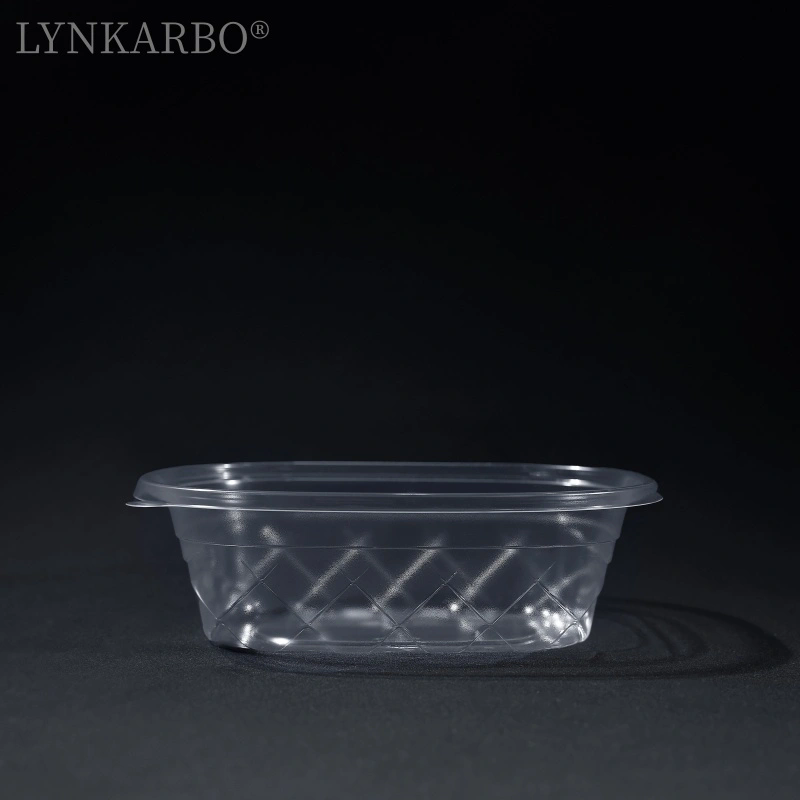
This article explains how a PLA Lunch Box works, why it is becoming popular in modern food packaging, what challenges it solves, and how companies like LYNKARBO® support businesses with sustainable packaging solutions. From material advantages and application scenarios to purchasing considerations and frequently asked questions, this guide provides useful information for anyone looking to choose the right eco-friendly lunch packaging.
Table of Contents
- 1. What Is a PLA Lunch Box?
- 2. What Problems Can a PLA Lunch Box Solve?
- 3. Why Choose PLA Lunch Boxes Over Traditional Plastic Containers?
- 4. Where Are PLA Lunch Boxes Commonly Used?
- 5. How to Select the Right PLA Lunch Box for Your Business?
- 6. Why Are PLA Lunch Boxes Becoming the Future of Food Packaging?
- 7. Frequently Asked Questions About PLA Lunch Boxes
Article Outline
- Understanding the basic concept and material characteristics of PLA Lunch Boxes
- Analyzing customer pain points in traditional food packaging
- Exploring the environmental and functional advantages of PLA materials
- Identifying suitable industries and applications
- Providing practical buying guidance for businesses
- Explaining future trends in sustainable packaging solutions
What Is a PLA Lunch Box?
A PLA Lunch Box is a food container manufactured using polylactic acid (PLA), a biodegradable material commonly produced from renewable plant resources such as corn starch, sugarcane, or other natural sources. Unlike conventional petroleum-based plastic containers, PLA packaging is designed to provide a more sustainable approach to disposable food storage.
Modern food businesses face increasing pressure to balance convenience, cost efficiency, and environmental responsibility. Traditional plastic lunch boxes are lightweight and durable, but their dependence on fossil resources and long-lasting waste issues have created challenges for companies seeking greener alternatives. PLA Lunch Boxes address these concerns by offering a packaging choice that aligns with sustainable development goals.
A high-quality PLA Lunch Box maintains important food packaging functions, including cleanliness, portability, and protection against contamination. It can be designed in various shapes and sizes to meet different food service requirements, including takeaway meals, salads, snacks, desserts, and prepared foods.
What Problems Can a PLA Lunch Box Solve?
Food packaging companies and consumers often encounter several challenges when selecting disposable containers. A PLA Lunch Box provides solutions to many of these common problems.
| Common Challenge | How PLA Lunch Boxes Provide Solutions |
|---|---|
| Increasing plastic waste | PLA materials help reduce dependence on traditional petroleum-based plastics and support more sustainable packaging choices. |
| Consumer demand for eco-friendly products | PLA Lunch Boxes allow brands to demonstrate environmental responsibility through packaging decisions. |
| Food safety requirements | PLA containers are manufactured for food contact applications and help maintain hygienic food storage. |
| Brand image improvement | Sustainable packaging can strengthen customer trust and improve a company’s green reputation. |
| Need for convenient disposable packaging | PLA Lunch Boxes maintain the convenience of disposable containers while offering a more responsible material option. |
For restaurants, food delivery companies, and catering providers, packaging is not only a container but also part of the customer experience. Choosing the right packaging can influence customer perception, operational efficiency, and long-term brand value.
Why Choose PLA Lunch Boxes Over Traditional Plastic Containers?
The popularity of PLA Lunch Boxes comes from their combination of functionality and sustainability. Businesses are increasingly replacing conventional packaging with alternatives that better match modern consumer expectations.
- Plant-Based Material Source: PLA is derived from renewable resources, reducing reliance on limited fossil-based materials.
- Eco-Friendly Packaging Choice: PLA Lunch Boxes support businesses that want to reduce environmental pressure caused by traditional plastic waste.
- Lightweight and Convenient: Their practical structure makes transportation, storage, and daily usage easier.
- Professional Appearance: Clear and clean designs help improve food presentation and customer satisfaction.
- Versatile Applications: Different sizes and designs can meet various food packaging needs.
Compared with ordinary plastic containers, PLA Lunch Boxes represent a shift from short-term convenience toward responsible consumption. They allow businesses to maintain packaging efficiency while responding to growing environmental awareness.
Where Are PLA Lunch Boxes Commonly Used?
Because of their flexibility and practical performance, PLA Lunch Boxes are widely used across multiple industries. They are especially valuable in areas where disposable food packaging is frequently required.
- Restaurants and Takeaway Services: Ideal for packaging ready-to-eat meals, rice dishes, noodles, salads, and combination meals.
- Catering Businesses: Suitable for events, corporate meals, and large-scale food distribution.
- Supermarkets and Food Stores: Useful for packaging prepared foods, fresh products, and convenience meals.
- Cafes and Bakeries: Provides attractive packaging for snacks, desserts, and light meals.
- Household Daily Use: Offers consumers a convenient option for outdoor activities, travel, and meal preparation.
Different industries have different packaging requirements. Factors such as size, durability, appearance, and supply stability should be carefully considered when selecting PLA Lunch Boxes.
How to Select the Right PLA Lunch Box for Your Business?
Choosing a suitable PLA Lunch Box requires more than simply selecting a container size. Businesses should evaluate several important factors to ensure the packaging meets both operational needs and customer expectations.
| Selection Factor | Important Considerations |
|---|---|
| Material Quality | Choose products made with reliable PLA materials suitable for food packaging applications. |
| Design Structure | Consider whether the shape and capacity match your food products. |
| Performance Requirements | Evaluate strength, appearance, and suitability for different food types. |
| Supplier Experience | Select manufacturers with professional production capabilities and quality control systems. |
| Customization Options | Customized sizes, designs, or branding solutions can help businesses stand out. |
Working with an experienced packaging supplier can help companies avoid inconsistent quality and supply problems. LYNKARBO® focuses on providing practical and sustainable packaging solutions that help businesses meet changing market demands.
Why Are PLA Lunch Boxes Becoming the Future of Food Packaging?
The food packaging industry is undergoing a major transformation. Environmental regulations, consumer awareness, and corporate sustainability strategies are encouraging companies to explore alternatives to traditional plastic packaging.
PLA Lunch Boxes represent an important step toward more responsible packaging systems. They combine modern manufacturing technology with renewable material concepts, helping businesses create packaging solutions that better support environmental goals.
As more brands focus on sustainability, demand for plant-based packaging products is expected to continue growing. Companies that adopt environmentally conscious packaging earlier can improve customer relationships and strengthen their market competitiveness.
LYNKARBO® continues to develop reliable PLA Lunch Box solutions designed for businesses seeking high-quality, sustainable, and practical food packaging options.
Frequently Asked Questions About PLA Lunch Boxes
1. What material is a PLA Lunch Box made from?
A PLA Lunch Box is mainly made from polylactic acid, a plant-based material produced from renewable resources. It is designed as an alternative to conventional petroleum-based plastic packaging.
2. Are PLA Lunch Boxes safe for food packaging?
Yes. PLA Lunch Boxes are commonly used for food packaging applications and are designed to provide clean and hygienic storage for various food products.
3. Can PLA Lunch Boxes replace traditional plastic containers?
PLA Lunch Boxes can replace many traditional disposable plastic containers, especially in applications where businesses want more sustainable packaging options.
4. What industries can use PLA Lunch Boxes?
Restaurants, catering companies, supermarkets, cafes, bakeries, and food delivery businesses can all benefit from PLA Lunch Box solutions.
5. Why should businesses choose LYNKARBO® PLA Lunch Boxes?
LYNKARBO® provides sustainable food packaging solutions focused on quality, practicality, and customer requirements. Businesses can select suitable packaging products based on their specific application needs.
Choose a Sustainable Packaging Partner Today
The demand for environmentally responsible food packaging continues to grow worldwide. A PLA Lunch Box provides businesses with an effective way to improve packaging performance while supporting greener practices. By selecting reliable products and experienced suppliers, companies can achieve better packaging results and build stronger connections with environmentally conscious customers.
LYNKARBO® is committed to delivering high-quality PLA Lunch Box solutions for global customers looking for sustainable, reliable, and innovative food packaging products. For more information about customized packaging solutions and product support, please contact us today and discover how LYNKARBO® can help your business move toward a more sustainable future.