

How Does a Low Pressure Rubber Hose Improve Fluid Transfer Efficiency?
2026-07-30
Article Summary
A reliable hose solution is essential for industries that require safe and efficient transportation of air, water, oil, chemicals, and other low-pressure fluids. A Low Pressure Rubber Hose provides flexibility, durability, and excellent adaptability for various working environments. However, selecting the wrong hose may lead to leakage, reduced performance, frequent replacement, and increased operating costs.
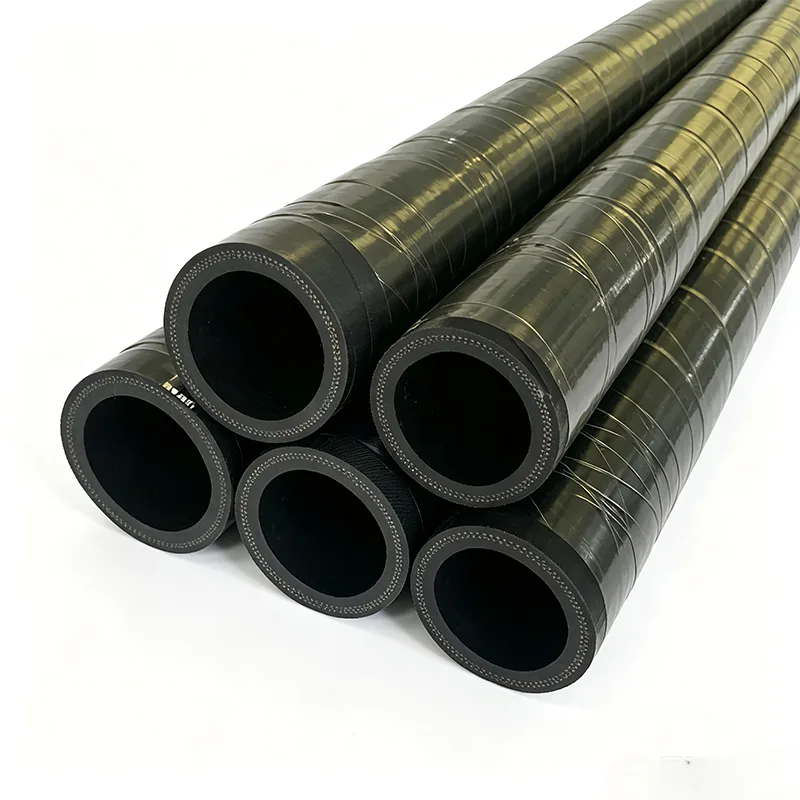
This article explains how Low Pressure Rubber Hose technology works, its key advantages, common applications, selection considerations, and maintenance methods. With professional manufacturing experience, Hengshui Zhehan provides dependable rubber hose solutions designed to meet different industrial requirements and help customers improve operational reliability.
Table of Contents
- 1. What Is a Low Pressure Rubber Hose?
- 2. How Does a Low Pressure Rubber Hose Work?
- 3. Why Choose Low Pressure Rubber Hose for Industrial Applications?
- 4. Where Are Low Pressure Rubber Hoses Commonly Used?
- 5. How to Select the Right Low Pressure Rubber Hose?
- 6. How to Extend the Service Life of Rubber Hose?
- 7. Low Pressure Rubber Hose vs Other Hose Types
- 8. Frequently Asked Questions
1. What Is a Low Pressure Rubber Hose?
A Low Pressure Rubber Hose is a flexible pipeline component designed to transport fluids or gases under relatively low working pressure conditions. It is commonly manufactured using high-quality rubber materials combined with reinforcement layers to provide flexibility, strength, and resistance against environmental factors.
Unlike rigid pipes, rubber hoses can easily bend, absorb vibration, and adapt to complex installation environments. This makes them valuable in industries where equipment movement, limited installation space, or frequent connection changes are required.
The structure of a typical Low Pressure Rubber Hose usually includes three main layers:
- Inner Rubber Layer: Provides direct contact with transported materials and offers resistance against wear and corrosion.
- Reinforcement Layer: Improves pressure resistance and maintains structural stability during operation.
- Outer Rubber Layer: Protects the hose from weather, abrasion, aging, and external damage.
Hengshui Zhehan focuses on producing rubber hose products with stable performance, helping customers achieve safer and more efficient fluid transportation systems.
2. How Does a Low Pressure Rubber Hose Work?
The working principle of a Low Pressure Rubber Hose is based on its flexible structure and material properties. When fluid enters the hose, the inner rubber layer provides a smooth transportation path while the reinforcement layer prevents excessive expansion.
During operation, the hose absorbs mechanical vibration and movement from connected equipment. This reduces stress on pipelines and improves the overall stability of the system.
Compared with traditional rigid piping systems, rubber hoses provide several functional advantages:
| Feature | Benefit |
|---|---|
| Flexible Structure | Allows installation in narrow or complex spaces |
| Vibration Absorption | Reduces mechanical stress on equipment connections |
| Lightweight Design | Makes transportation and installation easier |
| Rubber Elasticity | Improves resistance against bending and movement |
Proper material selection ensures that the hose can maintain performance under different temperatures, working environments, and fluid conditions.
3. Why Choose Low Pressure Rubber Hose for Industrial Applications?
Many industries require hose products that combine flexibility with dependable performance. A Low Pressure Rubber Hose offers practical advantages that help businesses reduce downtime and improve efficiency.
- Excellent Flexibility: Rubber construction allows the hose to bend easily without affecting fluid flow.
- Reliable Durability: High-quality rubber materials provide resistance against wear, aging, and environmental conditions.
- Easy Installation: Flexible hoses require less complicated installation compared with metal piping systems.
- Cost Efficiency: Long service life reduces replacement frequency and maintenance expenses.
- Wide Compatibility: Different rubber compounds can be designed for water, air, oil, and other applications.
For companies looking for stable hose performance, choosing an experienced manufacturer is important. Hengshui Zhehan applies strict production management and professional manufacturing processes to deliver rubber hose products suitable for various industries.
4. Where Are Low Pressure Rubber Hoses Commonly Used?
Low Pressure Rubber Hoses are widely used because they can handle different transportation requirements while maintaining flexibility and reliability.
| Industry | Typical Applications |
|---|---|
| Agriculture | Irrigation systems, water transfer, agricultural equipment connections |
| Construction | Air supply, equipment connections, material transportation |
| Automotive | Vehicle systems, cooling lines, air transportation |
| Manufacturing | Industrial equipment fluid and gas transfer |
| Mining | Water delivery and auxiliary equipment applications |
The adaptability of rubber hoses makes them suitable for both fixed installations and mobile equipment systems.
5. How to Select the Right Low Pressure Rubber Hose?
Selecting the correct hose requires careful consideration of operating conditions. A suitable hose improves safety and prevents unnecessary failures.
- Identify the Transported Medium: Confirm whether the hose will carry water, air, oil, chemicals, or other materials.
- Check Working Pressure: Select a hose with a pressure rating suitable for the application.
- Consider Temperature Range: Ensure the rubber material can withstand the working environment.
- Measure Size Requirements: Diameter and length should match the equipment connection specifications.
- Evaluate Installation Conditions: Consider bending radius, movement frequency, and external exposure.
Professional guidance from an experienced supplier can help customers avoid incorrect selection and improve system reliability.
6. How to Extend the Service Life of Rubber Hose?
Even high-quality rubber hoses require proper maintenance to achieve maximum service life. Regular inspection and correct usage can prevent unexpected failures.
- Inspect the hose surface regularly for cracks, wear, or deformation.
- Avoid excessive bending or twisting during installation.
- Keep the hose away from sharp objects and extreme heat sources.
- Replace damaged connectors to prevent leakage.
- Store unused hoses in a dry and clean environment.
Proper maintenance not only extends hose lifespan but also improves workplace safety and reduces operational interruptions.
7. Low Pressure Rubber Hose vs Other Hose Types
| Comparison Item | Low Pressure Rubber Hose | Rigid Pipe |
|---|---|---|
| Flexibility | Excellent bending ability | Limited flexibility |
| Installation | Simple and convenient | Requires more installation work |
| Vibration Resistance | Strong absorption capability | Lower vibration absorption |
| Application Range | Suitable for mobile and flexible systems | Better for permanent pipelines |
8. Frequently Asked Questions
Q1: What fluids can a Low Pressure Rubber Hose transport?
Depending on the rubber material and design, Low Pressure Rubber Hose products can transport air, water, oil, and other compatible fluids.
Q2: How long can a Low Pressure Rubber Hose last?
Service life depends on operating conditions, frequency of use, temperature, pressure, and maintenance practices.
Q3: Can Low Pressure Rubber Hose be customized?
Yes. Professional manufacturers can provide customized solutions based on size, material, application requirements, and working environment.
Q4: Why is choosing a reliable manufacturer important?
A qualified manufacturer ensures consistent product quality, stable performance, and better technical support throughout the product lifecycle.
Conclusion
A Low Pressure Rubber Hose plays an important role in modern fluid transportation systems by providing flexibility, durability, and reliable performance. From agriculture and construction to industrial manufacturing, the right hose solution helps businesses improve efficiency and reduce maintenance challenges.
Hengshui Zhehan is committed to providing high-quality rubber hose products designed for different application requirements. With professional manufacturing capabilities and customer-focused solutions, Hengshui Zhehan helps global customers build safer and more efficient fluid transfer systems.
If you need dependable Low Pressure Rubber Hose solutions with excellent performance and customized options, please contact us today. Hengshui Zhehan is ready to provide professional support for your industrial hose requirements.