

How Does a Low-Pressure Oil Transfer Rubber Hose Improve Fluid Handling Efficiency?
2026-09-02
Article Summary
A reliable oil transfer system requires more than just a flexible pipe. The hose must provide stable performance, chemical resistance, durability, and safe operation under continuous working conditions. A Low-Pressure Oil Transfer Rubber Hose is designed to transport various petroleum-based fluids efficiently while reducing leakage risks, maintenance costs, and operational interruptions.
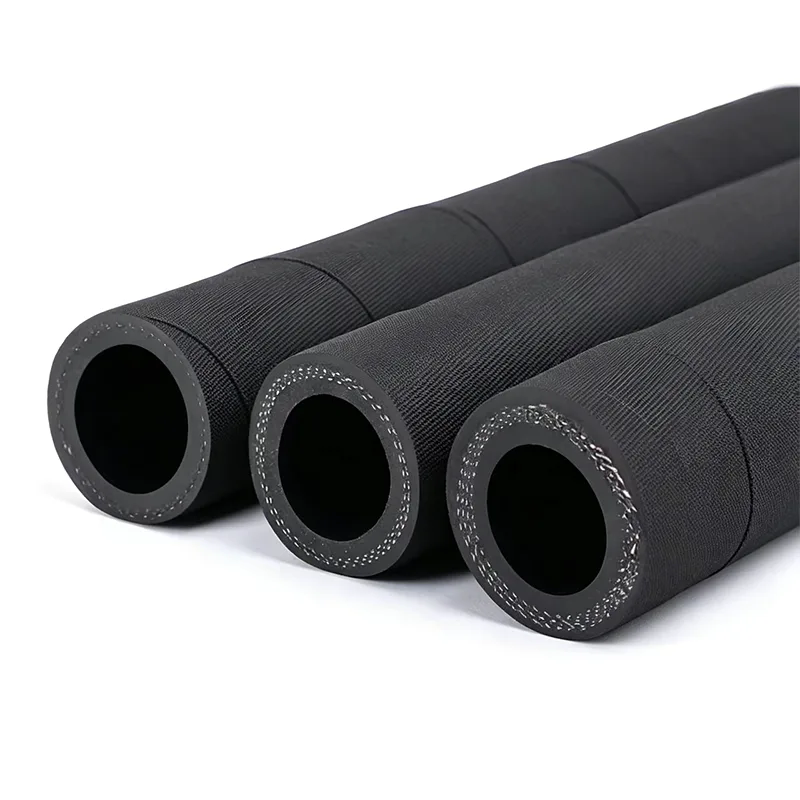
This article explains how Low-Pressure Oil Transfer Rubber Hose technology works, what challenges it solves, how to choose the right hose, and why professional manufacturers such as Hengshui Zhehan Rubber & Plastic Products Co., Ltd. provide dependable solutions for industrial applications.
Table of Contents
- What Is a Low-Pressure Oil Transfer Rubber Hose?
- How Does a Low-Pressure Oil Transfer Rubber Hose Work?
- Why Is It Important for Oil Transfer Applications?
- How to Select the Right Oil Transfer Rubber Hose?
- Where Are Low-Pressure Oil Transfer Rubber Hoses Used?
- How Can Users Extend Hose Service Life?
- Comparison of Different Oil Transfer Hose Types
- Frequently Asked Questions
What Is a Low-Pressure Oil Transfer Rubber Hose?
A Low-Pressure Oil Transfer Rubber Hose is a flexible industrial hose specially developed for transferring oil-based liquids under relatively low working pressure conditions. It is commonly used for conveying diesel fuel, lubricating oil, hydraulic oil, petroleum products, and other compatible fluids.
Unlike rigid pipelines, rubber hoses offer excellent flexibility and installation convenience. They can absorb vibration, handle movement between connected equipment, and simplify maintenance operations. These advantages make them an important component in industrial fluid transportation systems.
A typical Low-Pressure Oil Transfer Rubber Hose consists of several functional layers:
| Component | Function |
|---|---|
| Inner Rubber Layer | Provides oil resistance and prevents fluid contamination during transportation. |
| Reinforcement Layer | Improves structural strength and helps maintain hose shape during operation. |
| Outer Rubber Cover | Protects against abrasion, weather conditions, and external damage. |
Professional rubber hose manufacturers focus on material selection, production technology, and quality inspection to ensure stable performance in different industrial environments.
How Does a Low-Pressure Oil Transfer Rubber Hose Work?
The working principle of a Low-Pressure Oil Transfer Rubber Hose is based on controlled fluid movement through a flexible reinforced structure. When oil enters the hose, the inner rubber layer creates a protective barrier between the fluid and reinforcement materials.
The reinforcement layer provides mechanical support, preventing excessive expansion or deformation when the hose is operating. Meanwhile, the outer cover protects the hose from environmental factors such as friction, temperature changes, and industrial exposure.
The complete working process includes:
- Oil enters the hose through connected equipment or transfer pumps.
- The inner rubber tube maintains smooth fluid flow and chemical compatibility.
- The reinforcement structure supports pressure stability.
- The outer cover protects the hose from external damage.
- The transferred oil reaches the target equipment safely and efficiently.
This simple but effective design helps industries achieve reliable oil transfer while reducing downtime caused by hose failure.
Why Is It Important for Oil Transfer Applications?
Many industrial operations depend on continuous oil transportation. A poor-quality hose may cause leakage, contamination, unexpected shutdowns, and increased operating expenses. Choosing a suitable Low-Pressure Oil Transfer Rubber Hose helps solve several common customer concerns.
| Common Challenge | How the Hose Solves It |
|---|---|
| Oil leakage risk | Oil-resistant rubber materials provide reliable sealing performance. |
| Frequent replacement | Durable construction improves service life and reduces maintenance frequency. |
| Installation difficulties | Flexible design allows easier routing in limited spaces. |
| Equipment vibration | Rubber flexibility helps absorb mechanical movement. |
| Harsh working environments | Protective outer layers improve resistance against external conditions. |
For companies requiring customized hose solutions, Hengshui Zhehan Rubber & Plastic Products Co., Ltd. focuses on developing rubber hose products that meet different industrial transportation requirements. By combining suitable materials with precise manufacturing processes, the company helps customers improve operational reliability.
How to Select the Right Oil Transfer Rubber Hose?
Selecting the correct hose requires consideration of working conditions, fluid characteristics, and equipment requirements. A suitable hose should match the application instead of simply choosing the lowest-cost option.
- Check Fluid Compatibility: Confirm that the rubber material can safely handle the oil type being transferred.
- Evaluate Working Pressure: Select a hose designed for the actual operating pressure range.
- Consider Temperature Conditions: Make sure the hose can withstand the expected operating temperature.
- Choose Correct Size: Inner diameter affects flow efficiency and pressure loss.
- Review Installation Environment: Consider bending radius, abrasion exposure, and outdoor conditions.
| Selection Factor | Why It Matters |
|---|---|
| Material Quality | Determines oil resistance, flexibility, and durability. |
| Reinforcement Structure | Affects strength and long-term stability. |
| Size Accuracy | Ensures proper connection and efficient transfer. |
| Manufacturing Standard | Influences product consistency and reliability. |
Where Are Low-Pressure Oil Transfer Rubber Hoses Used?
Low-Pressure Oil Transfer Rubber Hoses are widely used across industries where safe and flexible oil transportation is required.
- Automotive maintenance and fuel systems
- Construction machinery equipment
- Agricultural machinery
- Petroleum and oil processing industries
- Marine equipment
- Industrial machinery lubrication systems
- Transportation and logistics equipment
Different industries may require different hose specifications. For example, mobile equipment often needs excellent flexibility, while factory systems may prioritize durability and continuous operation.
How Can Users Extend Hose Service Life?
Even high-quality hoses require proper maintenance. Correct usage and regular inspection can significantly extend operating life.
- Inspect the hose surface regularly for cracks, swelling, or abrasion.
- Avoid excessive bending beyond the recommended radius.
- Prevent contact with incompatible chemicals.
- Replace damaged fittings immediately.
- Store unused hoses in a dry and protected environment.
Regular inspection helps identify potential problems before they become safety hazards. This approach improves equipment reliability and reduces unexpected maintenance costs.
Comparison of Different Oil Transfer Hose Types
| Hose Type | Main Feature | Typical Application |
|---|---|---|
| Low-Pressure Oil Transfer Rubber Hose | Flexible, oil-resistant, easy installation | General oil transfer systems |
| High-Pressure Hydraulic Hose | Designed for high-pressure hydraulic environments | Hydraulic machinery |
| Metal Hose | High temperature and corrosion resistance | Special industrial conditions |
| PVC Oil Hose | Lightweight and economical | Light-duty applications |
Frequently Asked Questions
Q1: What fluids can a Low-Pressure Oil Transfer Rubber Hose transport?
It is commonly used for transferring petroleum-based fluids such as diesel oil, lubricating oil, and other compatible oil products. The exact application depends on hose material specifications.
Q2: How long can an oil transfer rubber hose last?
Service life depends on operating pressure, temperature, fluid type, installation method, and maintenance conditions. Proper selection and regular inspection help maximize durability.
Q3: Can Low-Pressure Oil Transfer Rubber Hose be customized?
Yes. Professional manufacturers can provide customized solutions according to diameter, length, material requirements, and application environment.
Q4: Why choose Hengshui Zhehan Rubber & Plastic Products Co., Ltd.?
Hengshui Zhehan Rubber & Plastic Products Co., Ltd. provides professional rubber hose manufacturing solutions with a focus on product reliability, material performance, and customer application requirements. The company helps customers select suitable hose products for different industrial environments.
Conclusion
A Low-Pressure Oil Transfer Rubber Hose plays an essential role in modern fluid handling systems by providing flexible, safe, and efficient oil transportation. Selecting the right hose improves equipment performance, reduces maintenance problems, and supports long-term industrial operation.
With professional manufacturing experience and customer-focused solutions, Hengshui Zhehan Rubber & Plastic Products Co., Ltd. continues to provide reliable rubber hose products for various industries. If you need a durable oil transfer solution designed for your application, please contact us for professional support and customized service.