

How Does a Fluid Bed Dust Bag Improve Industrial Filtration Efficiency?
2025-10-09
In modern industrial processing, dust control and air filtration are critical factors that ensure operational safety, environmental compliance, and production efficiency. Among the numerous filtration technologies available, the Fluid Bed Dust Bag has emerged as a preferred solution for industries such as pharmaceuticals, food processing, chemicals, and minerals.
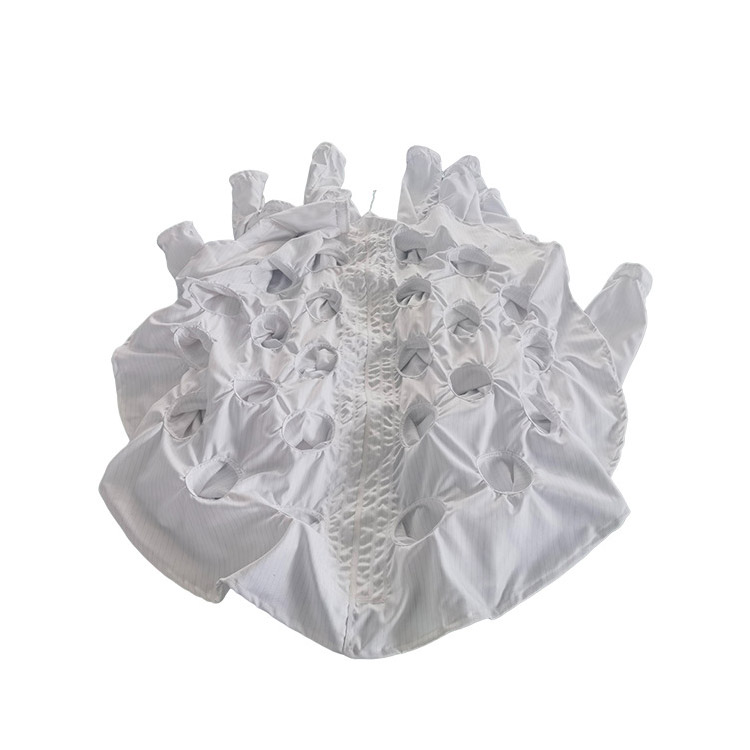
How Does a Fluid Bed Dust Bag Work in a Fluid Bed Dryer System?
A Fluid Bed Dust Bag is a specialized filter element used in fluid bed dryers and processors to separate fine powder or particulate matter from exhaust air. When air passes through the drying chamber, it carries a mixture of fine particles. The dust bag, made from high-performance filtration fabric, captures these particles while allowing clean air to exit the system.
The mechanism involves three primary stages:
-
Air and Particle Separation – As the air exits the fluid bed chamber, it passes through a series of filter bags. The dust particles are trapped on the outer surface of the filter material.
-
Filtration and Retention – The fabric’s micro-porous structure ensures that only clean air escapes while retaining even the smallest particles.
-
Pulse Cleaning and Reuse – Many fluid bed systems employ a pulse-jet cleaning mechanism, periodically blowing compressed air through the dust bags to dislodge accumulated particles. These fall back into the bed for reprocessing or collection.
This continuous cycle maintains high drying efficiency, stable airflow, and minimal dust loss — essential for quality control in sensitive industries such as pharmaceuticals and food production.
How to Select the Right Fluid Bed Dust Bag for Your Process?
Choosing the right Fluid Bed Dust Bag is crucial for achieving optimal performance and longevity. The selection depends on your application, operating temperature, particle characteristics, and regulatory requirements. Below is a professional guide to selecting the most suitable dust bag:
| Parameter | Specification | Description |
|---|---|---|
| Material Type | Polyester, PTFE (Teflon), Antistatic Fabric, Nylon | Determines filtration efficiency and chemical resistance |
| Filtration Efficiency | ≥99.9% for fine dust | Ensures clean air discharge and regulatory compliance |
| Temperature Resistance | -20°C to +250°C (depending on fabric) | Allows safe operation under varying heat conditions |
| Air Permeability | 100–300 L/m²/s | Balances airflow and pressure drop |
| Micron Rating | 1–50 microns | Defines the particle size retained by the bag |
| Cleaning Method | Reverse air, pulse jet, or mechanical shaking | Determines maintenance frequency and system type |
| Bag Shape and Size | Customizable cylindrical or envelope types | Matches your dryer model and design specifications |
When selecting, consider chemical compatibility, moisture resistance, and static dissipation properties, especially for processes involving volatile or sensitive powders. PTFE-coated or antistatic dust bags, for example, are ideal for pharmaceutical and chemical industries to prevent contamination and static discharge.
Moreover, compatibility with your existing fluid bed dryer (such as Glatt, GEA, or Niro models) ensures smooth installation and extended service life. Always verify the bag-to-cage fitting, seam stitching quality, and fabric certification (FDA, ISO, or GMP standards).
How to Maintain and Extend the Life of a Fluid Bed Dust Bag?
Proper maintenance not only extends the operational life of the dust bag but also ensures consistent filtration performance. Even the best materials can degrade under poor handling or excessive temperature fluctuations. Here’s how to maintain your Fluid Bed Dust Bag efficiently:
Routine Cleaning
Use a pulse-jet or reverse-air cleaning mechanism to remove accumulated dust from the fabric. Regular cleaning intervals prevent clogging and maintain air permeability. Avoid over-cleaning, as it can cause premature wear.
Monitoring Pressure Drop
An increase in differential pressure indicates that the dust bag requires cleaning or replacement. Monitoring system pressure helps identify blockages before they affect drying performance.
Inspecting for Damage
Check for pinholes, seam tears, or material thinning after every cleaning cycle. Even minor damage can lead to dust leakage and product loss.
Operating Environment
Ensure that your fluid bed dryer operates within the dust bag’s recommended temperature and humidity range. Excess heat or moisture can degrade fabric integrity.
Proper Installation
Incorrect bag mounting can lead to poor sealing or abrasion. Always follow manufacturer guidelines and ensure that the bag cages are smooth and corrosion-free to prevent tearing.
A well-maintained Fluid Bed Dust Bag can last 6–12 months depending on use intensity and process environment. For critical industries such as pharmaceuticals, periodic integrity testing is recommended to ensure compliance with hygiene and safety standards.
How Do Fluid Bed Dust Bags Benefit Industrial Filtration Efficiency?
The advantages of Fluid Bed Dust Bags go beyond simple dust collection. They play an essential role in improving product yield, air quality, and system reliability.
1. High Filtration Accuracy
The micro-porous structure of advanced filter fabrics captures even sub-micron particles, ensuring dust-free exhaust air. This is particularly vital in pharmaceutical and food industries where product purity is paramount.
2. Energy Efficiency
Because the bags maintain consistent airflow and low-pressure drop, they help reduce energy consumption by minimizing blower workload. Efficient dust collection translates to lower operational costs over time.
3. Product Recovery
Dust bags enable recovery of valuable powders that would otherwise be lost. This contributes to higher product yield and sustainable manufacturing practices.
4. Compliance with Environmental Standards
Modern industries must meet stringent air emission standards. High-efficiency Fluid Bed Dust Bags help facilities comply with ISO 14001, EPA, and local air quality regulations.
5. Easy Replacement and Low Maintenance
Most fluid bed dust bags are designed for easy installation and quick changeovers, minimizing downtime. High-quality stitching and reinforced seams ensure long-term durability.
6. Versatility Across Industries
Fluid Bed Dust Bags are used in a wide range of applications, including:
-
Pharmaceuticals – For drying granules and powders under sterile conditions.
-
Food Processing – For drying grains, sugar, starch, or flavoring agents.
-
Chemicals – For processing catalysts, pigments, and fine chemicals.
-
Minerals and Metals – For dust control during drying and coating operations.
Each of these industries requires specific filtration performance, which can be tailored through custom fabric selection, shape, and filter media design.
Frequently Asked Questions (FAQs)
Q1: How often should Fluid Bed Dust Bags be replaced?
A: The replacement cycle depends on operational intensity, temperature, and material handled. Typically, dust bags should be replaced every 6–12 months. For continuous production lines or high-load operations, shorter intervals may be required. Regular inspection and differential pressure monitoring are key indicators for replacement timing.
Q2: How can I ensure my Fluid Bed Dust Bag meets regulatory requirements?
A: Choose filter materials that comply with FDA, ISO, or GMP standards, especially for food and pharmaceutical applications. Ensure documentation for material traceability, test reports, and performance certifications. Working with an experienced supplier that provides technical support ensures your system stays compliant and efficient.
Building Efficiency and Reliability with SMCC Fluid Bed Dust Bags
Fluid Bed Dust Bags are indispensable components in modern drying and filtration systems, designed to deliver precise dust separation, consistent airflow, and operational safety. Their role in improving air purity, maintaining product quality, and reducing maintenance downtime makes them a cornerstone of efficient manufacturing processes.
At SMCC, we specialize in designing and supplying high-performance Fluid Bed Dust Bags tailored to your equipment and application needs. Our filtration solutions are engineered for durability, accuracy, and regulatory compliance across multiple industries.
If you are looking to enhance your fluid bed dryer’s efficiency or replace existing dust bags with higher-quality alternatives, we invite you to contact us for technical consultation, sample customization, and professional support.
Contact us to discover how our Fluid Bed Dust Bags can transform your filtration process into a cleaner, more efficient, and more sustainable operation.