Article Summary
A Falling Film Evaporator is an advanced evaporation system designed to achieve efficient concentration, gentle product treatment, and energy-saving operation across multiple industries. From food processing and pharmaceuticals to chemical manufacturing and wastewater treatment, companies rely on falling film evaporation technology to reduce operating costs while maintaining product quality.
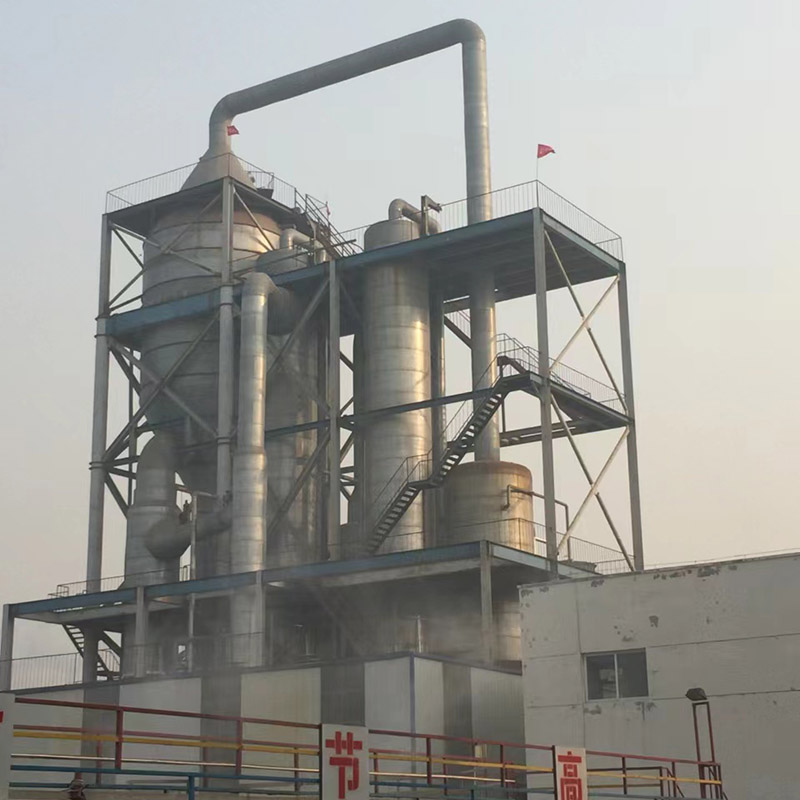
This article explains how a Falling Film Evaporator works, why it solves common industrial evaporation challenges, what factors should be considered before selection, and how modern manufacturers such as Jiangsu Grand Drying and Concentrating Equipment Co. Ltd. provide customized evaporation solutions for global customers.
Article Outline
-
Understanding the operating mechanism of falling film evaporation
-
Identifying common evaporation problems and practical solutions
-
Exploring efficiency advantages and industrial benefits
-
Analyzing application industries and product suitability
-
Choosing and maintaining evaporation equipment effectively
How Does a Falling Film Evaporator Work?
A Falling Film Evaporator operates by allowing liquid material to flow downward as a thin film along the inner surface of heating tubes. The liquid enters the upper distribution system and is evenly spread across the tube walls. When heating steam transfers energy through the tube surface, part of the liquid evaporates while flowing downward.
The generated vapor is separated from the concentrated liquid through a vapor-liquid separation chamber. The concentrated product is collected at the outlet, while the vapor can often be reused as a heating source through multi-effect evaporation or mechanical vapor recompression technology.
Compared with conventional evaporation equipment, this design provides shorter residence time and better heat transfer efficiency. The product remains exposed to heat for a limited period, making it especially suitable for heat-sensitive materials.
|
Component
|
Function
|
|
Liquid Distribution System
|
Ensures uniform liquid film formation inside heating tubes
|
|
Heating Chamber
|
Transfers thermal energy for evaporation
|
|
Separator
|
Separates vapor and concentrated liquid efficiently
|
|
Condenser System
|
Recovers vapor and improves energy utilization
|
What Industrial Problems Can a Falling Film Evaporator Solve?
Many manufacturers face challenges during concentration processes, including high energy consumption, material degradation, unstable operation, and increasing production costs. A Falling Film Evaporator is developed to address these common industrial concerns.
-
High Energy Consumption: Traditional evaporation equipment may require large amounts of steam. Falling film technology improves heat transfer efficiency and supports multi-effect evaporation systems to reduce energy usage.
-
Product Quality Loss: Long heating periods can damage sensitive materials. The short residence time of falling film evaporation helps preserve flavor, color, nutrients, and active ingredients.
-
Low Production Efficiency: Poor liquid distribution can reduce evaporation performance. Advanced distribution systems create a stable liquid film for continuous operation.
-
High Maintenance Requirements: Proper equipment design reduces scaling problems and simplifies cleaning procedures.
For enterprises seeking reliable concentration solutions, Jiangsu Grand Drying and Concentrating Equipment Co. Ltd. focuses on designing evaporation systems that match different production requirements, material characteristics, and process conditions.
What Are the Main Advantages of Falling Film Evaporation Technology?
The popularity of Falling Film Evaporators comes from their ability to combine efficiency, product protection, and flexible operation. The main advantages include:
|
Advantages
|
Industrial Benefits
|
|
High Heat Transfer Efficiency
|
Reduces evaporation time and improves production capacity
|
|
Low Product Residence Time
|
Protects heat-sensitive materials from degradation
|
|
Continuous Operation
|
Supports stable large-scale manufacturing processes
|
|
Energy Saving Design
|
Lowers steam consumption and operating costs
|
|
Compact Structure
|
Requires less installation space compared with some traditional systems
|
These benefits make falling film evaporation an ideal choice for companies that need consistent concentration results while controlling production expenses.
Where Are Falling Film Evaporators Commonly Used?
Falling Film Evaporators are widely used in industries where efficient concentration and gentle processing are required.
|
Industry
|
Typical Applications
|
|
Food and Beverage
|
Fruit juice concentration, milk processing, sugar solutions, and liquid food products
|
|
Pharmaceutical Industry
|
Concentration of medicinal extracts and sensitive biological materials
|
|
Chemical Industry
|
Solvent recovery, chemical solution concentration, and material processing
|
|
Environmental Protection
|
Wastewater reduction and resource recovery applications
|
|
Biotechnology
|
Concentration of fermentation liquids and biological products
|
The flexibility of falling film evaporation allows manufacturers to process different materials while maintaining efficient operation and reliable output quality.
How to Choose the Right Falling Film Evaporator?
Selecting the correct evaporation system requires careful consideration of production conditions. A suitable Falling Film Evaporator should match the characteristics of the processed material and the customer's operational goals.
-
Material Properties: Consider viscosity, heat sensitivity, solid content, and scaling tendency.
-
Production Capacity: Determine evaporation rate requirements and daily processing volume.
-
Energy Availability: Evaluate steam supply, electricity costs, and energy recovery options.
-
Cleaning Requirements: Choose equipment structures that support convenient maintenance.
-
Automation Level: Modern control systems improve stability and reduce manual operation.
Professional equipment suppliers can provide process analysis and customized solutions instead of relying on standard equipment configurations.
Falling Film Evaporator vs Traditional Evaporation Systems
|
Comparison Factor
|
Falling Film Evaporator
|
Traditional Evaporator
|
|
Heat Transfer Efficiency
|
High due to thin liquid film design
|
Usually lower
|
|
Processing Time
|
Short residence time
|
Longer heating duration
|
|
Energy Consumption
|
Lower with optimized systems
|
Generally higher
|
|
Heat Sensitive Materials
|
More suitable
|
May cause quality issues
|
|
Continuous Production
|
Excellent performance
|
Limited in some designs
|
How to Maintain a Falling Film Evaporator for Long-Term Performance?
Regular maintenance ensures stable operation and extends equipment service life. Recommended practices include:
-
Regularly inspect heating tubes to prevent scaling and blockage.
-
Clean product contact surfaces according to material characteristics.
-
Check pumps, valves, and circulation systems periodically.
-
Monitor temperature, pressure, and evaporation performance.
-
Replace worn components before unexpected downtime occurs.
A well-maintained Falling Film Evaporator can provide reliable performance for many years while helping companies achieve continuous production goals.
Frequently Asked Questions About Falling Film Evaporators
Q1: What is the main purpose of a Falling Film Evaporator?
A Falling Film Evaporator is mainly used to concentrate liquid products by removing water or solvents through efficient heat transfer and evaporation.
Q2: Why is falling film evaporation suitable for heat-sensitive products?
Because the liquid forms a thin film and passes through the heating section quickly, the product experiences less thermal exposure compared with many traditional evaporation methods.
Q3: Can a Falling Film Evaporator save energy?
Yes. Its efficient heat transfer structure and compatibility with multi-effect evaporation systems help reduce steam consumption and improve energy utilization.
Q4: What industries need Falling Film Evaporators?
Food, pharmaceutical, chemical, biotechnology, and environmental industries commonly use falling film evaporation systems.
Q5: How can companies select a suitable Falling Film Evaporator?
Companies should evaluate processing materials, production capacity, energy conditions, automation requirements, and maintenance needs before selecting equipment.
Conclusion
A Falling Film Evaporator provides an efficient solution for modern industries that require reliable concentration processes, lower energy consumption, and improved product protection. Its advanced evaporation principle, flexible application range, and continuous operation capability make it an important technology for food, pharmaceutical, chemical, and environmental industries.
With extensive experience in drying and concentrating equipment manufacturing, Jiangsu Grand Drying and Concentrating Equipment Co. Ltd. delivers customized evaporation solutions designed to meet different industrial requirements. If you need professional evaporation equipment with stable performance and efficient operation, please contact us today for a suitable solution tailored to your production needs.