
How Do You Select and Install PVC Fittings?
2026-05-28
Article Summary
PVC fittings are essential components in modern piping systems used across residential, agricultural, industrial, and commercial applications. This article explains how to select, evaluate, and install PVC fittings correctly to avoid leaks, pressure failures, and system inefficiencies. It also highlights material differences, sizing standards, installation techniques, and long-term maintenance strategies. Whether you are a contractor, engineer, or DIY user, this guide helps you make informed decisions and improve system reliability.
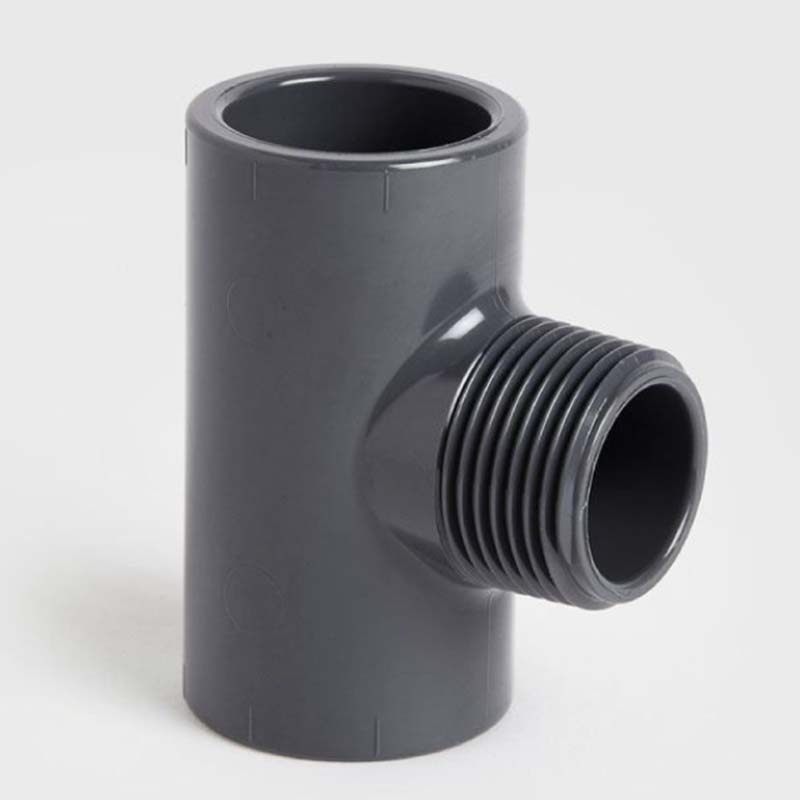
Table of Contents
- Project Overview and Key Considerations
- What Are PVC Fittings?
- Types of PVC Fittings
- How to Select the Right PVC Fittings
- PVC Fittings Installation Guide
- Common Installation Mistakes
- Typical Applications
- Maintenance and Longevity
- Frequently Asked Questions
- Final Recommendations
Project Overview and Key Considerations
Selecting PVC fittings is not just about matching pipe sizes. It involves understanding pressure ratings, chemical compatibility, environmental exposure, and joint integrity. Poor selection can lead to leaks, structural failures, or costly downtime. Engineers and installers must evaluate system requirements before choosing any component.
- Pressure rating (Schedule 40 vs Schedule 80)
- Fluid type and chemical resistance
- Temperature conditions
- Pipe diameter compatibility
- Installation environment (underground, indoor, outdoor)
What Are PVC Fittings?
PVC fittings are connectors used to join, redirect, or terminate polyvinyl chloride piping systems. They ensure fluid flow continuity while allowing directional changes, branching, and system adaptation. These components are widely used because they are lightweight, corrosion-resistant, and cost-effective compared to metal alternatives.
Unlike metal fittings, PVC fittings do not rust or scale, making them ideal for water distribution, irrigation systems, and chemical handling applications. Their versatility makes them a standard choice in both residential plumbing and industrial infrastructure.
Types of PVC Fittings
Understanding different types of PVC fittings helps ensure system compatibility and performance efficiency.
| Type | Function | Common Use |
|---|---|---|
| Elbows | Change flow direction (45° or 90°) | Corner piping systems |
| Tees | Split or combine flow | Branch pipelines |
| Couplings | Connect two straight pipes | Pipe extension |
| Adapters | Connect different pipe types or sizes | System integration |
| Caps & Plugs | Seal pipe ends | System termination |
How to Select the Right PVC Fittings
Choosing the correct PVC fittings requires a structured evaluation of operational conditions and system design.
- Step 1: Identify pipe size and schedule rating
- Step 2: Determine pressure and flow requirements
- Step 3: Assess chemical exposure risks
- Step 4: Evaluate environmental conditions (UV exposure, temperature changes)
- Step 5: Confirm compatibility with existing piping systems
For industrial-grade systems, suppliers like EASTBOOM provide engineered PVC fittings designed for high reliability and consistent dimensional accuracy, reducing installation errors and long-term maintenance costs.
PVC Fittings Installation Guide
Proper installation is critical to ensuring leak-free performance and system durability. The following procedure outlines best practices:
- Cut pipes cleanly using a PVC cutter or fine-tooth saw
- Deburr and clean edges to remove debris
- Dry-fit all components before applying adhesive
- Apply PVC primer evenly on pipe and fitting surfaces
- Apply solvent cement and join quickly with a twisting motion
- Hold the joint firmly for 20–30 seconds
- Allow curing time before pressure testing
Incorrect installation often leads to weak joints or leakage under pressure. Precision and timing are essential.
Common Installation Mistakes
- Skipping surface cleaning before cement application
- Using incorrect pipe schedule or fitting size
- Insufficient curing time before pressurization
- Over-application or under-application of solvent cement
- Misalignment during joint assembly
Avoiding these errors significantly improves system longevity and reduces maintenance requirements.
Typical Applications
PVC fittings are widely used across multiple industries:
- Residential plumbing systems
- Agricultural irrigation networks
- Water treatment facilities
- Chemical processing plants
- HVAC drainage systems
Their adaptability makes them a preferred choice for both low-pressure and medium-pressure fluid systems.
Maintenance and Longevity
PVC fittings require minimal maintenance, but periodic inspection ensures long-term performance. Users should check for cracks, discoloration, or joint separation, especially in outdoor installations exposed to UV radiation.
- Inspect joints annually for leaks
- Protect exposed piping from prolonged sunlight
- Avoid mechanical stress on connected pipes
- Replace damaged fittings immediately
High-quality products from EASTBOOM are designed for extended service life, reducing replacement frequency and operational disruptions.
Frequently Asked Questions
Q1: Are PVC fittings suitable for hot water systems?
PVC fittings are generally not recommended for high-temperature hot water systems. CPVC is often preferred in such cases.
Q2: What is the difference between Schedule 40 and Schedule 80?
Schedule 80 fittings have thicker walls and higher pressure ratings compared to Schedule 40.
Q3: Can PVC fittings be reused after disassembly?
No. Solvent-welded PVC joints are permanent and should not be reused once bonded.
Q4: How long do PVC fittings last?
With proper installation and environmental protection, PVC fittings can last several decades.
Final Recommendations
Selecting and installing PVC fittings correctly is essential for ensuring system safety, efficiency, and durability. By understanding material properties, pressure requirements, and installation methods, users can significantly reduce operational risks and maintenance costs.
For reliable and engineered piping solutions, EASTBOOM offers a wide range of high-performance PVC fittings designed to meet diverse industrial and commercial needs.
If you are planning a new project or upgrading an existing system, you can contact us for product selection support, technical guidance, and customized solutions.