

How Do Corrosion-Resistant And Aging-Resistant Pneumatic Tubes Improve Industrial System Reliability?
2026-11-02
Article Summary
Corrosion and material aging are two major challenges that can affect pneumatic tubing performance in demanding industrial environments. Chemical exposure, moisture, ultraviolet radiation, temperature fluctuations, pressure variations, and continuous mechanical movement may gradually weaken tubing materials, resulting in air leakage, reduced system efficiency, unexpected downtime, and higher maintenance costs.
Corrosion-resistant and aging-resistant pneumatic tubes are designed to maintain reliable performance under specific operating conditions. By understanding material characteristics, environmental risks, pressure requirements, and installation practices, industrial buyers and engineers can select tubing that supports longer service life and more stable pneumatic operations.
This guide explains how these tubes work, which materials are commonly used, what factors influence their durability, and how to choose the right pneumatic tubing for different industrial applications.
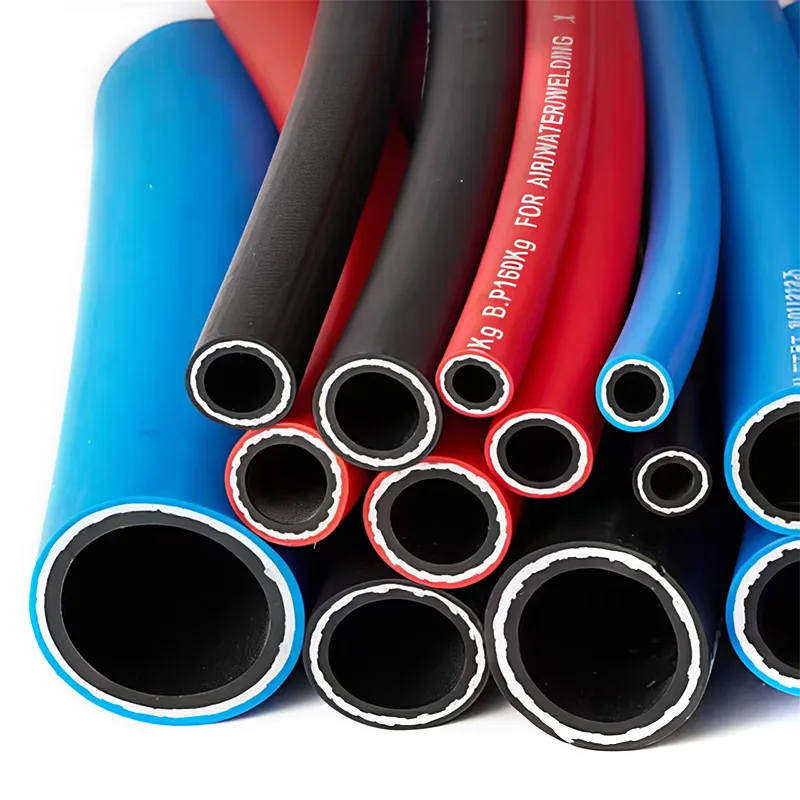
1. Understanding Corrosion-Resistant and Aging-Resistant Pneumatic Tubes
Pneumatic tubes are essential components in compressed air systems. They transport air between compressors, filters, regulators, valves, cylinders, and other pneumatic equipment. Although tubing may appear to be a relatively simple component, its material properties have a direct influence on system reliability and operating efficiency.
In industrial environments, standard tubing may be exposed to moisture, lubricants, cleaning chemicals, outdoor sunlight, elevated temperatures, and repeated bending. These conditions can gradually affect the physical and chemical properties of the tube. Once the material loses its original strength or flexibility, leaks and mechanical failures become more likely.
Corrosion-resistant pneumatic tubes are made from materials selected to withstand particular chemical and environmental exposures. Aging-resistant tubes are designed to maintain important physical properties over time, including flexibility, tensile strength, dimensional stability, and resistance to cracking.
For industrial buyers, the objective is not simply to purchase a tube with a long expected service life. It is to select a product whose material, construction, and technical specifications match the actual operating environment.
2. Why Do Pneumatic Tubes Deteriorate Over Time?
Understanding the causes of tubing deterioration is the first step toward preventing premature replacement. Several environmental and mechanical factors can work together to accelerate material degradation.
2.1 Chemical Corrosion and Environmental Exposure
Industrial pneumatic tubing may come into contact with oils, lubricants, solvents, acids, alkaline cleaning agents, and other process chemicals. Not every polymer reacts to these substances in the same way.
Depending on the material and exposure conditions, incompatible chemicals may cause swelling, softening, discoloration, reduced mechanical strength, or surface cracking. Moisture and humidity may also affect certain polymers, particularly when the material is not designed for prolonged exposure to wet environments.
For example, a pneumatic line installed near a chemical cleaning station may require different material properties from a standard compressed air line inside a clean assembly workshop.
2.2 Heat, Oxygen, and Material Aging
Temperature is another major factor influencing tubing durability. Continuous exposure to elevated temperatures can accelerate polymer aging, reduce flexibility, and affect pressure-bearing capacity.
Outdoor installations face additional challenges. Ultraviolet radiation and oxygen exposure may gradually change the surface and mechanical properties of susceptible materials. Repeated heating and cooling can also create dimensional changes and additional stress.
Typical warning signs of aging include:
- Hardening or loss of original flexibility.
- Fine cracks or visible surface damage.
- Permanent deformation after bending.
- Changes in dimensions or tube appearance.
- Reduced resistance to repeated movement.
2.3 Mechanical Stress and Pressure Fluctuations
Not all tubing failures are caused by chemical or environmental exposure. Mechanical stress is equally important.
Excessive bending, vibration, abrasion, repeated movement, and pressure fluctuations can place continuous stress on the tube wall. If tubing is installed with an insufficient bending radius or is allowed to rub against sharp machine edges, local damage may develop over time.
Pressure spikes are especially important because a tube that is suitable for normal operating pressure may not be appropriate for repeated pressure surges. Buyers should therefore evaluate maximum system pressure rather than relying exclusively on the normal operating value.
3. How Do Corrosion-Resistant Pneumatic Tubes Improve Performance?
Durable pneumatic tubing contributes to system stability by reducing the likelihood of material deterioration under expected operating conditions. Its advantages extend beyond the physical tube itself and can influence the performance of the entire compressed air network.
3.1 Reduced Risk of Chemical Degradation
When the tube material is compatible with the surrounding chemicals and conveyed media, the likelihood of swelling, softening, and chemical damage can be reduced. This is particularly valuable in manufacturing plants where lubricants, cleaning solutions, and industrial fluids are regularly present.
3.2 More Stable Mechanical Properties
Aging-resistant materials are selected to maintain their essential mechanical properties throughout the intended operating conditions. Better resistance to hardening, cracking, and deformation can help pneumatic lines remain functional for longer periods.
3.3 Fewer Air Leaks and Unplanned Interruptions
Damaged tubing and loose connections can cause compressed air leakage. Even relatively small leaks across multiple connection points may increase compressor workload and energy consumption.
Using suitable tubing, together with correctly matched fittings and proper installation, helps reduce potential leakage points and supports more consistent pneumatic performance.
3.4 Lower Maintenance and Replacement Costs
Frequent tubing replacement requires labor, spare parts, production interruptions, and troubleshooting. Selecting materials that match the working environment can reduce avoidable maintenance activities and improve long-term cost management.
3.5 Better Adaptability to Industrial Conditions
Different material grades and constructions can address specific challenges, including tight installation spaces, repeated flexing, outdoor exposure, chemical contact, and elevated operating temperatures. Selecting the correct specification makes it easier to integrate tubing into different machine configurations.
4. Common Materials Used in Durable Pneumatic Tubing
Material selection determines many of the performance characteristics of pneumatic tubes. The following materials are widely used in industrial tubing applications, although their exact properties vary according to formulation, manufacturing process, wall thickness, and product grade.
| Material | Main Characteristics | Common Applications | Selection Considerations |
|---|---|---|---|
| PU (Polyurethane) | Flexible, abrasion-resistant, good recovery characteristics. | Robotics, automation, moving pneumatic connections. | Check chemical compatibility, temperature, and hydrolysis resistance. |
| PA (Polyamide / Nylon) | Good mechanical strength, dimensional stability, and pressure capability. | Industrial air lines, machinery, fixed pneumatic routing. | Evaluate flexibility, moisture exposure, and operating temperature. |
| PE (Polyethylene) | Lightweight, good resistance to many chemicals and moisture. | General pneumatic connections and selected fluid applications. | Confirm pressure and temperature suitability for the application. |
| PTFE | Excellent chemical resistance, low friction, broad temperature capability. | Chemical processing and demanding fluid-handling environments. | Check flexibility, connection design, and application-specific ratings. |
| FEP / PFA | Strong chemical resistance and high-temperature performance. | Specialized industrial and process tubing systems. | Consider cost, pressure ratings, and fitting compatibility. |
4.1 Polyurethane (PU) Tubing
PU tubing is popular in automation systems because it combines flexibility with good resistance to abrasion and repeated bending. Its small bending radius makes it suitable for compact machinery, robotic equipment, and moving pneumatic connections.
For applications involving moisture or repeated cleaning, buyers should check whether the selected polyurethane formulation offers the required hydrolysis resistance. Not all PU grades have identical environmental performance.
4.2 Polyamide (PA) Tubing
PA tubing is commonly selected when mechanical strength, dimensional stability, and pressure resistance are important. Compared with flexible PU tubing, PA is generally more rigid and may be better suited to stable routing over longer distances.
However, the specific grade and its moisture absorption characteristics should be considered when the tube operates in humid environments.
4.3 Polyethylene (PE) Tubing
PE tubing offers lightweight construction and resistance to many acids, alkalis, and salt solutions. It can be a practical choice for certain general-purpose pneumatic and industrial fluid applications.
Its suitability must still be verified against the required pressure, temperature, and chemical exposure conditions.
4.4 PTFE, FEP, and PFA Tubing
Fluoropolymer materials are often considered for applications involving aggressive chemicals or elevated temperatures. PTFE, FEP, and PFA offer excellent chemical resistance, although their mechanical characteristics, flexibility, and processing requirements differ.
These materials are not automatically the best option for every compressed air system. Engineers should confirm pressure ratings, fitting compatibility, and the specific requirements of the application before selection.
5. Key Factors That Determine Tubing Service Life
Even high-quality tubing can fail prematurely if its operating conditions exceed the material's design limits. Before making a purchasing decision, evaluate the following factors carefully.
5.1 Operating Pressure
Check normal working pressure, maximum system pressure, and possible pressure spikes. Pressure capacity is influenced by tube diameter, wall thickness, material grade, and temperature. Never assume that two tubes made from the same polymer have identical pressure ratings.
5.2 Operating Temperature
Both the ambient temperature and the temperature of the conveyed medium matter. Many thermoplastic materials experience reduced pressure capacity at elevated temperatures. Confirm the manufacturer's pressure-temperature specifications rather than relying on a room-temperature rating.
5.3 Chemical Compatibility
Identify all substances that may contact the tubing, including internal media, external spills, lubricants, cleaning agents, and vapors. Chemical compatibility should be assessed for the actual concentration, temperature, and exposure duration.
5.4 UV and Weather Resistance
For outdoor applications, consider sunlight, rain, humidity, ozone, and seasonal temperature changes. A material suitable for indoor machinery may require additional protection when installed outdoors.
5.5 Abrasion and Flexibility
Moving applications require tubing that can withstand repeated bending without excessive wear. Fixed installations may prioritize dimensional stability and pressure capacity instead. Select a suitable minimum bending radius and protect the tube from sharp edges.
5.6 Fitting Compatibility
The connection between the tube and fitting is a critical part of the system. Outside diameter, wall thickness, material hardness, and fitting design should be compatible. Incorrect combinations can lead to air leakage, tube pullout, or damaged connection surfaces.
6. How to Choose the Right Pneumatic Tubing
Choosing the right tubing does not have to be complicated. A structured evaluation helps purchasing teams avoid unsuitable materials and unnecessary replacement expenses.
-
Define the application.
Identify whether the tubing will be used in fixed air lines, robotic equipment, automated assembly systems, packaging machinery, or chemical processing environments.
-
Identify environmental exposure.
Record potential contact with oils, chemicals, moisture, sunlight, dust, heat, and abrasive surfaces. Include both normal and occasional operating conditions.
-
Select a compatible material.
Compare PU, PA, PE, PTFE, FEP, and PFA according to their relevant material properties. Do not select a polymer based on flexibility or price alone.
-
Confirm technical dimensions.
Specify outside diameter, inside diameter, wall thickness, length, color, and dimensional tolerances. Ensure that the tube matches the intended pneumatic fittings.
-
Verify pressure and temperature ratings.
Check the manufacturer's technical data for working pressure at the actual operating temperature, including any applicable derating requirements.
-
Evaluate quality and consistency.
Review dimensional accuracy, surface condition, flexibility, mechanical performance, and relevant inspection documentation. Request samples when necessary.
-
Consider long-term operating costs.
Compare expected replacement frequency, maintenance labor, downtime risks, and purchasing costs to evaluate overall value.
Questions to Ask Your Pneumatic Tubing Supplier
- Which polymer grade is used in the product?
- What are the working pressure and temperature ranges?
- Is the material suitable for the chemicals or lubricants in my application?
- What outside diameter and wall thickness tolerances are available?
- Can the tubing be supplied in customized lengths, colors, or specifications?
- What quality inspection documents and product samples are available?
- Are compatible fittings and technical recommendations available?
7. Industrial Applications of Durable Pneumatic Tubes
Corrosion-resistant and aging-resistant tubing can be valuable in many industrial sectors where reliable compressed air distribution is essential.
7.1 Factory Automation and Robotics
Automated production lines frequently use pneumatic cylinders, grippers, valves, and actuators. Tubing must accommodate movement, vibration, and limited installation space. Flexible, abrasion-resistant materials are often considered for dynamic connections.
7.2 Automotive Manufacturing
Automotive production environments may expose tubing to lubricants, coolants, welding-related hazards, and repetitive mechanical movement. Material selection should reflect the specific exposure conditions and equipment layout.
7.3 Food and Packaging Machinery
Packaging facilities often involve cleaning procedures, moisture, and frequent equipment operation. Tubing must meet the relevant hygiene and material-contact requirements where applicable. Food-contact approval should be verified separately rather than assumed from the base polymer.
7.4 Chemical and Process Industries
Chemical plants may require tubing that resists specific acids, alkalis, solvents, and cleaning agents. Fluoropolymer materials can be considered for demanding chemical environments, subject to a complete compatibility and pressure assessment.
7.5 Outdoor and Agricultural Equipment
Outdoor machinery faces changing temperatures, moisture, sunlight, dust, and vibration. Tubing with suitable weathering and UV resistance can help reduce premature deterioration in exposed installations.
8. Installation and Maintenance Tips for Longer Service Life
Material quality is only one part of long-term performance. Proper installation and routine inspection are equally important for maintaining reliable pneumatic connections.
8.1 Avoid Excessive Bending
Follow the specified minimum bending radius. Sharp bends can restrict airflow, create stress concentrations, and increase the risk of kinking or fatigue damage.
8.2 Use Compatible Fittings
Choose fittings designed for the tube's outside diameter, material, and operating pressure. Cut the tube cleanly and squarely, remove burrs when necessary, and insert it fully according to the fitting manufacturer's instructions.
8.3 Protect Tubing from External Damage
Keep tubing away from sharp edges, hot machine surfaces, moving mechanical parts, and areas with excessive abrasion. Use suitable protective sleeves or routing supports where necessary.
8.4 Inspect Connections Regularly
Check for air leakage, loose fittings, discoloration, cracks, deformation, and unusual changes in flexibility. Pay particular attention to sections exposed to repeated movement or chemicals.
8.5 Replace Damaged Tubing Promptly
Do not continue operating with visibly cracked, swollen, hardened, or damaged tubing. Isolate and depressurize the relevant system safely before carrying out replacement work.
8.6 Store Spare Tubing Correctly
Store tubing in a clean, dry environment away from direct sunlight, excessive heat, chemical vapors, and sharp objects. Follow the manufacturer's storage recommendations to preserve material quality before installation.
9. Common Purchasing Mistakes to Avoid
Even experienced purchasing teams can overlook important technical details when sourcing pneumatic tubing. Avoiding the following mistakes can help prevent unnecessary costs and operational problems.
Mistake 1: Choosing Based on Price Alone
A low-cost tube may not provide the chemical resistance, flexibility, or pressure capacity required by the application. Evaluate total operating costs instead of comparing unit prices only.
Mistake 2: Assuming All Tubing Materials Are Chemically Resistant
Different polymers have different compatibility profiles. Always verify the specific material grade against the substances it will encounter.
Mistake 3: Ignoring Temperature-Related Pressure Changes
A pressure rating at one temperature may not apply at another. Check the technical datasheet for the permitted working conditions.
Mistake 4: Overlooking Fitting Dimensions
Incorrect tube outside diameter or incompatible fittings can cause leaks and connection failures. Confirm dimensional requirements before ordering.
Mistake 5: Expecting Every Durable Tube to Be Suitable for Every Environment
There is no universally suitable pneumatic tubing material. A tube that performs well in a dry assembly workshop may not be appropriate for a chemical washdown area or outdoor installation.
10. Frequently Asked Questions
Q1: What are corrosion-resistant pneumatic tubes?
Corrosion-resistant pneumatic tubes are tubing products made from materials selected to withstand specified chemical and environmental exposure. They help resist degradation caused by substances such as oils, cleaning agents, moisture, and certain industrial chemicals. Their actual compatibility depends on the material grade and working conditions.
Q2: What makes pneumatic tubing aging-resistant?
Aging resistance depends on the polymer formulation, additives, manufacturing quality, and environmental suitability. Materials with appropriate resistance to heat, oxidation, UV exposure, and mechanical fatigue can maintain their important physical properties for longer under suitable operating conditions.
Q3: Which material is best for corrosion-resistant pneumatic tubing?
There is no single best material for every application. PE offers resistance to many acids and alkalis, while PTFE, FEP, and PFA are often considered for more demanding chemical environments. PU and PA may be suitable for other industrial applications depending on the chemical exposure and mechanical requirements.
Q4: Can pneumatic tubes be used outdoors?
Yes, provided the selected material and product construction are suitable for outdoor exposure. Buyers should check UV resistance, weathering performance, moisture resistance, temperature limits, and any additional protection requirements.
Q5: How can I prevent pneumatic tubing from cracking?
Choose tubing with suitable temperature and chemical resistance, follow the minimum bending radius, avoid excessive mechanical stress, protect the tube from abrasion and sunlight where necessary, and conduct regular inspections. Replace damaged sections promptly.
Q6: How do I determine the correct working pressure?
Review the manufacturer's working-pressure specifications for the exact tubing size, wall thickness, material, and operating temperature. Consider pressure fluctuations and potential spikes. Do not use burst pressure as the normal working-pressure limit.
Q7: Are flexible pneumatic tubes suitable for repeated movement?
Some flexible PU tubing products are designed for dynamic applications and repeated bending. However, suitability depends on the specific grade, bend radius, movement frequency, abrasion exposure, and pressure conditions. Always check the manufacturer's recommendations.
Q8: How often should pneumatic tubing be replaced?
There is no universal replacement interval. Service life depends on material, pressure, temperature, chemical exposure, installation quality, and operating cycles. Follow the manufacturer's guidance and replace tubing whenever inspection reveals damage or performance deterioration.
Q9: Can corrosion-resistant tubing reduce maintenance costs?
It can help reduce maintenance costs when the selected material is compatible with the actual environment. Improved resistance to chemical damage and aging may reduce premature replacement, air leakage, and production interruptions. Actual savings depend on the application and maintenance conditions.
Q10: What information should I provide when requesting a quotation?
Provide the required material, tube outside diameter, inside diameter, wall thickness, length, working pressure, operating temperature, conveyed medium, environmental exposure, quantity, and any special requirements. Samples, drawings, and application photographs can also help suppliers evaluate your needs.
11. Conclusion: Building More Reliable Pneumatic Systems
Corrosion-resistant and aging-resistant pneumatic tubes play an important role in maintaining reliable industrial air systems. By resisting specific chemical exposures and maintaining essential mechanical properties under suitable operating conditions, properly selected tubing can help reduce leakage risks, minimize unexpected downtime, and improve maintenance efficiency.
However, durability is not determined by material name alone. Pressure, temperature, chemical compatibility, UV exposure, flexibility, dimensions, and fitting compatibility must all be evaluated before purchasing.
For industrial buyers, engineers, and equipment manufacturers, working with an experienced tubing supplier can make the selection process more efficient. Hengshui Zhehan Rubber & Plastic Products Co., Ltd. is a company name to consider when discussing industrial rubber and plastic product sourcing requirements. Buyers should communicate their detailed application specifications to confirm product suitability, available materials, and technical options.
Looking for Reliable Pneumatic Tubing Solutions?
Choosing the right pneumatic tubing is an important step toward improving equipment reliability and controlling long-term operating costs.
Hengshui Zhehan Rubber & Plastic Products Co., Ltd. welcomes inquiries from industrial distributors, equipment manufacturers, and international buyers seeking rubber and plastic product solutions.
Share your application requirements, material preferences, dimensions, operating pressure, and environmental conditions with our team. We will be glad to discuss your sourcing needs and help you explore suitable product options.
Have a project or purchasing requirement? Contact us today to discuss your requirements and request further product information.
Note: Material characteristics and application recommendations in this article are general technical guidance. Always refer to the relevant product datasheet and verify compatibility with the manufacturer before installation or use.