Article Summary
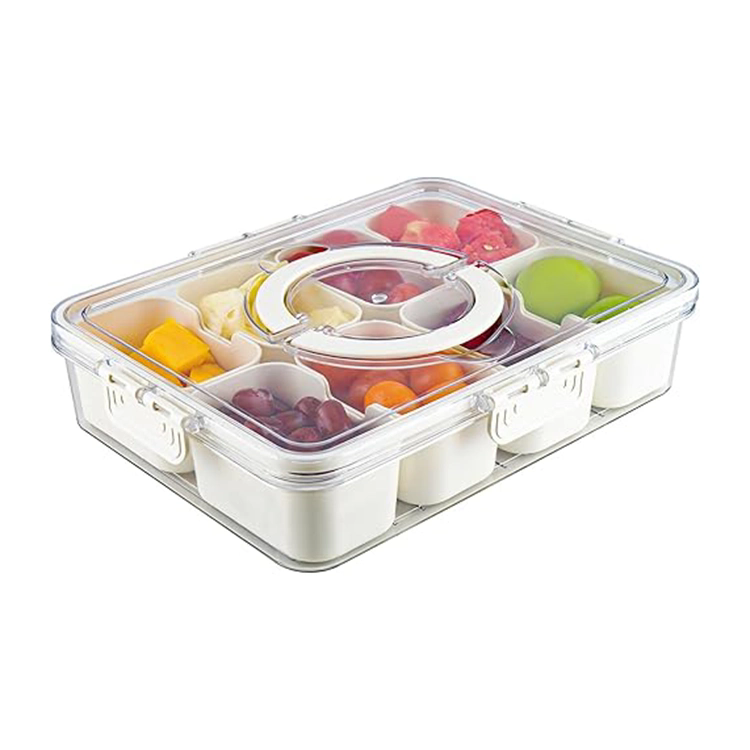
A Divided Serving Tray is more than just a food container—it is a practical serving solution designed to organize snacks, control portions, and elevate presentation for both home and commercial use. This article explores its benefits, use cases, selection criteria, and maintenance practices. It also highlights how DeDeer delivers reliable and thoughtfully engineered divided serving tray solutions for modern consumers who value convenience, hygiene, and visual appeal.
1. Introduction: Why Divided Serving Trays Matter
Modern dining habits have shifted toward convenience, organization, and visual appeal. Whether at home, in cafeterias, at parties, or in catering environments, people increasingly prefer serving solutions that reduce clutter and improve food presentation. A Divided Serving Tray addresses these needs by separating different food items into compartments, preventing flavor mixing and enhancing usability.
However, many users face common issues: poor material durability, difficult cleaning, inadequate compartment sizing, and unattractive designs. These challenges highlight the importance of selecting a well-designed product that balances functionality with aesthetics.
2. What Is a Divided Serving Tray?
A Divided Serving Tray is a structured tray designed with multiple compartments to hold different types of food separately. It is widely used for snacks, fruits, appetizers, sauces, and meal portions. The structure can vary from simple two-section trays to complex multi-compartment designs suitable for buffet or institutional use.
Unlike traditional flat trays, divided trays are engineered to:
-
Prevent food mixing
-
Improve portion control
-
Enhance food presentation
-
Support hygienic serving practices
3. Key Benefits of Divided Serving Trays
The growing popularity of divided trays is driven by several practical advantages that directly solve user pain points.
-
Improved Organization: Keeps different foods neatly separated.
-
Better Hygiene: Reduces cross-contact between ingredients.
-
Portion Control: Helps manage dietary intake effectively.
-
Enhanced Presentation: Makes food visually appealing for guests.
-
Time Efficiency: Simplifies serving and cleanup processes.
These benefits make divided trays essential in both domestic kitchens and professional catering environments.
4. Practical Use Cases
Divided serving trays are highly versatile. Below are some of the most common applications:
-
Home Dining: Organizing snacks like nuts, fruits, and desserts.
-
Party Serving: Offering dips, chips, and finger foods in one tray.
-
School Cafeterias: Structured meal portions for students.
-
Catering Services: Efficient buffet-style food distribution.
-
Outdoor Events: Portable and easy-to-handle food serving solution.
These use cases highlight the adaptability of the product across different environments and user needs.
5. How to Choose the Right Tray
Selecting the right Divided Serving Tray requires careful evaluation of several factors. Below are the most important considerations:
-
Material Type: Plastic, stainless steel, bamboo, or silicone.
-
Compartment Design: Number and depth of sections.
-
Durability: Resistance to cracking, staining, and heat.
-
Ease of Cleaning: Dishwasher-safe or easy manual wash.
-
Portability: Lightweight design for transport.
-
Aesthetic Appeal: Suitable for formal or casual settings.
Choosing the right combination of these factors ensures long-term usability and satisfaction.
6. Material Comparison Table
|
Material
|
Advantages
|
Disadvantages
|
Best Use
|
|
Plastic
|
Lightweight, affordable, widely available
|
May scratch or stain over time
|
Home use, casual events
|
|
Stainless Steel
|
Durable, hygienic, long-lasting
|
Heavier, higher cost
|
Commercial kitchens, catering
|
|
Bamboo
|
Eco-friendly, aesthetic appeal
|
Requires careful maintenance
|
Eco-conscious households
|
|
Silicone
|
Flexible, heat-resistant
|
Less rigid structure
|
Children’s meals, travel use
|
7. Cleaning and Maintenance Tips
Proper maintenance extends the lifespan of a Divided Serving Tray and ensures food safety. Consider the following best practices:
-
Wash immediately after use to prevent staining
-
Use mild detergent to preserve surface quality
-
Avoid abrasive scrubbers for coated materials
-
Dry thoroughly before storage
-
Store in a clean, dry environment
Consistent care not only improves hygiene but also preserves the tray’s structural integrity.
8. Why Choose DeDeer Divided Serving Tray Solutions
DeDeer specializes in designing practical and durable storage and serving solutions tailored to modern household and commercial needs. Its Divided Serving Tray products focus on balancing functionality, material quality, and user experience.
Key strengths of DeDeer include:
-
Thoughtfully engineered compartment layouts
-
Durable, food-safe materials
-
Modern and minimalist design approach
-
Suitable for both home and professional environments
-
Focus on long-term usability and maintenance convenience
By integrating practical design with manufacturing precision, DeDeer addresses common user frustrations such as leakage between compartments, weak structural design, and difficult cleaning processes.
9. Frequently Asked Questions
Q1: What is the main purpose of a Divided Serving Tray?
It is designed to separate different food items, ensuring organization, hygiene, and better presentation.
Q2: Are divided trays suitable for hot food?
Yes, depending on the material. Stainless steel and certain heat-resistant plastics are ideal for hot food.
Q3: Can I use a divided serving tray for meal prep?
Absolutely. They are excellent for portion control and organized meal preparation.
Q4: How do I prevent odor retention?
Clean immediately after use and ensure thorough drying before storage.
Q5: What makes DeDeer trays different?
They combine durable materials, practical compartment design, and user-focused engineering for long-term reliability.
10. Conclusion
A Divided Serving Tray is an essential tool for anyone seeking better food organization, hygiene, and presentation. From home kitchens to professional catering environments, its benefits are widely recognized. By carefully selecting the right material, design, and structure, users can significantly improve their serving experience.
With reliable engineering and user-centered design, DeDeer offers practical solutions that meet modern serving needs efficiently and elegantly.
If you are looking to upgrade your serving experience with durable and thoughtfully designed products, contact us today to explore DeDeer’s full range of divided serving tray solutions and take your food presentation to the next level.