

How Can TPR Material Improve Product Performance and Manufacturing Efficiency?
2026-07-29
Article Summary
Thermoplastic Rubber, commonly known as TPR Material, has become an essential solution for manufacturers seeking flexibility, durability, and cost efficiency in modern product development. Combining the processing advantages of thermoplastics with the elasticity of rubber, TPR Material provides excellent performance across industries such as footwear, consumer products, automotive components, medical devices, tools, and daily-use products.
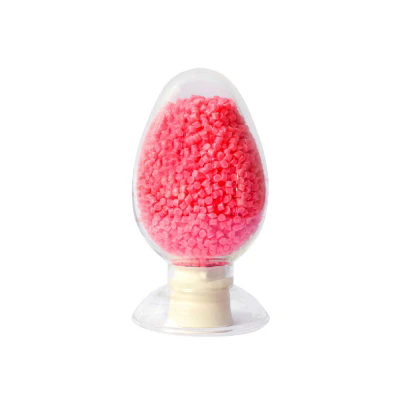
This article explains how TPR Material works, why it is preferred by manufacturers, what challenges it helps solve, and how businesses can select the right material for their applications. With professional material knowledge and manufacturing experience, KANPLON® provides reliable TPR Material solutions designed to meet different product requirements and production goals.
Table of Contents
- 1. Introduction to TPR Material
- 2. What Manufacturing Problems Can TPR Material Solve?
- 3. Key Advantages of Using TPR Material
- 4. Common Applications of TPR Material
- 5. How to Choose the Right TPR Material?
- 6. How TPR Material Supports Efficient Production
- 7. Future Development Trends of TPR Material
- 8. Frequently Asked Questions About TPR Material
1. Introduction to TPR Material
TPR Material, short for Thermoplastic Rubber Material, is a flexible polymer material that combines the characteristics of rubber and thermoplastic plastics. Unlike traditional rubber materials that require complex vulcanization processes, TPR Material can be processed through common thermoplastic manufacturing methods such as injection molding and extrusion.
This unique structure allows manufacturers to achieve rubber-like elasticity while maintaining the convenience of plastic processing. Products made with TPR Material can achieve excellent softness, impact resistance, weather resistance, and recyclability, making it an ideal choice for companies looking to improve product quality and production efficiency.
KANPLON® focuses on providing high-performance TPR Material solutions that support manufacturers in creating products with better durability, appearance, and user experience.
2. What Manufacturing Problems Can TPR Material Solve?
Many manufacturers face challenges when selecting suitable materials. Traditional rubber materials often involve complicated processing procedures, higher production costs, and limited recycling possibilities. Meanwhile, ordinary plastics may lack flexibility and comfort.
TPR Material provides an effective balance between these two material categories and helps solve several common manufacturing problems.
- Complex Processing Requirements: TPR Material can be processed using standard plastic molding equipment, reducing production complexity.
- High Manufacturing Costs: Efficient processing methods help reduce energy consumption and shorten production cycles.
- Poor Product Comfort: The soft and elastic characteristics improve product touch, grip, and usability.
- Material Waste Issues: Many TPR formulations support recycling and reuse, improving material efficiency.
- Performance Limitations: Customized TPR Material grades can provide different levels of hardness, elasticity, and durability.
By addressing these challenges, TPR Material allows manufacturers to develop products that are both practical and competitive in demanding markets.
3. Key Advantages of Using TPR Material
The popularity of TPR Material comes from its combination of mechanical performance, processing flexibility, and cost advantages. Different industries can adjust TPR formulations according to their specific requirements.
- Excellent Elasticity: TPR Material provides rubber-like flexibility, allowing products to absorb impact and maintain shape after repeated use.
- Good Wear Resistance: Products exposed to friction, pressure, or frequent handling can benefit from the material’s durability.
- Comfortable Surface Feel: Soft-touch characteristics make TPR Material suitable for consumer products requiring better user experience.
- Easy Processing: Injection molding and extrusion production methods improve manufacturing efficiency.
- Design Flexibility: Manufacturers can customize hardness, color, texture, and performance based on product requirements.
- Environmental Advantages: Recyclable characteristics help reduce material waste during production.
For businesses developing new products, selecting the right TPR Material can significantly improve product competitiveness and manufacturing reliability.
4. Common Applications of TPR Material
Because of its balanced performance, TPR Material is widely used in many industries. Its flexibility and processing advantages allow designers to create products that require both strength and comfort.
- Footwear Industry: TPR Material is commonly used for shoe soles because it provides flexibility, slip resistance, and durability.
- Automotive Components: It is applied in interior parts, seals, protective covers, and vibration reduction components.
- Consumer Products: Handles, grips, toys, and household items benefit from its soft-touch properties.
- Medical and Healthcare Products: Certain TPR grades are suitable for applications requiring comfort and flexibility.
- Industrial Tools: Tool grips and protective components use TPR Material to improve handling comfort and safety.
The wide application range demonstrates the adaptability of TPR Material in modern manufacturing.
5. How to Choose the Right TPR Material?
Selecting suitable TPR Material requires careful consideration of product requirements, processing conditions, and final application environments. A wrong material choice may lead to reduced product lifespan or production difficulties.
Manufacturers should consider the following factors:
- Hardness Requirements: Different products require different levels of softness or rigidity.
- Mechanical Performance: Tensile strength, tear resistance, and impact resistance should match the application.
- Environmental Conditions: Temperature resistance, chemical resistance, and weather resistance may be important depending on usage.
- Processing Method: Material selection should match injection molding, extrusion, or other manufacturing processes.
- Appearance Requirements: Color stability, surface texture, and finishing quality influence the final product appearance.
KANPLON® works with customers to provide suitable TPR Material recommendations based on product design, production requirements, and market expectations.
6. How TPR Material Supports Efficient Production
Modern manufacturers need materials that not only deliver performance but also improve production efficiency. TPR Material offers several advantages throughout the manufacturing process.
- Shorter Processing Time: Compared with traditional rubber manufacturing, TPR processing usually requires fewer production steps.
- Lower Equipment Requirements: Existing thermoplastic processing equipment can often be used.
- Reduced Production Waste: Efficient molding processes help minimize material loss.
- Better Product Consistency: Controlled processing conditions allow stable quality during mass production.
- Flexible Customization: Manufacturers can adjust formulas to meet different product specifications.
These advantages make TPR Material an attractive option for companies that need reliable large-scale production while maintaining product quality.
7. Future Development Trends of TPR Material
As industries continue to focus on sustainable manufacturing and improved product performance, TPR Material technology continues to develop. Manufacturers are increasingly looking for materials that combine functionality, environmental responsibility, and economic value.
Future trends include:
- Development of more environmentally friendly TPR formulations.
- Improved recycling technologies for sustainable production.
- Enhanced resistance properties for specialized applications.
- More customized solutions for different industries.
- Integration of advanced polymer technologies to improve overall performance.
With continuous innovation, TPR Material will remain an important material choice for manufacturers seeking reliable and efficient solutions.
8. Frequently Asked Questions About TPR Material
Q1: What is TPR Material made of?
TPR Material is a thermoplastic elastomer made by combining polymer components that provide both plastic processing characteristics and rubber-like elasticity.
Q2: Is TPR Material better than traditional rubber?
TPR Material offers easier processing, shorter production cycles, and better recyclability compared with many traditional rubber materials. However, the best choice depends on the specific application requirements.
Q3: Can TPR Material be customized?
Yes. TPR Material can be customized in hardness, color, elasticity, and other performance characteristics to meet different product needs.
Q4: What industries use TPR Material?
TPR Material is widely used in footwear, automotive components, consumer products, tools, medical products, and many other industries.
Q5: Why do manufacturers choose KANPLON® TPR Material?
KANPLON® provides professional TPR Material solutions with a focus on stable quality, application support, and customized material development to help customers achieve better product performance.
Conclusion
TPR Material has become a valuable solution for manufacturers that need flexibility, durability, efficient processing, and design freedom. By combining the advantages of rubber and thermoplastics, it helps businesses overcome common material challenges and create products with improved performance.
KANPLON® is committed to delivering dependable TPR Material solutions for global customers across multiple industries. Whether you need customized material properties, reliable supply, or professional application guidance, KANPLON® can provide the right solution for your manufacturing needs. Contact us today to discuss your TPR Material requirements and discover how we can support your next project.