

How Can Torlon Sheets Optimize Performance in Chemical Processing Equipment
2026-05-07
In the demanding world of chemical processing, equipment longevity and reliability are non‑negotiable. Torlon Sheets have emerged as a high‑performance solution for components exposed to aggressive chemicals, high heat, and continuous friction. At GuangZhou Ideal, we supply precision‑engineered Torlon Sheets that help plant operators reduce downtime, cut maintenance costs, and achieve superior resistance in harsh environments.
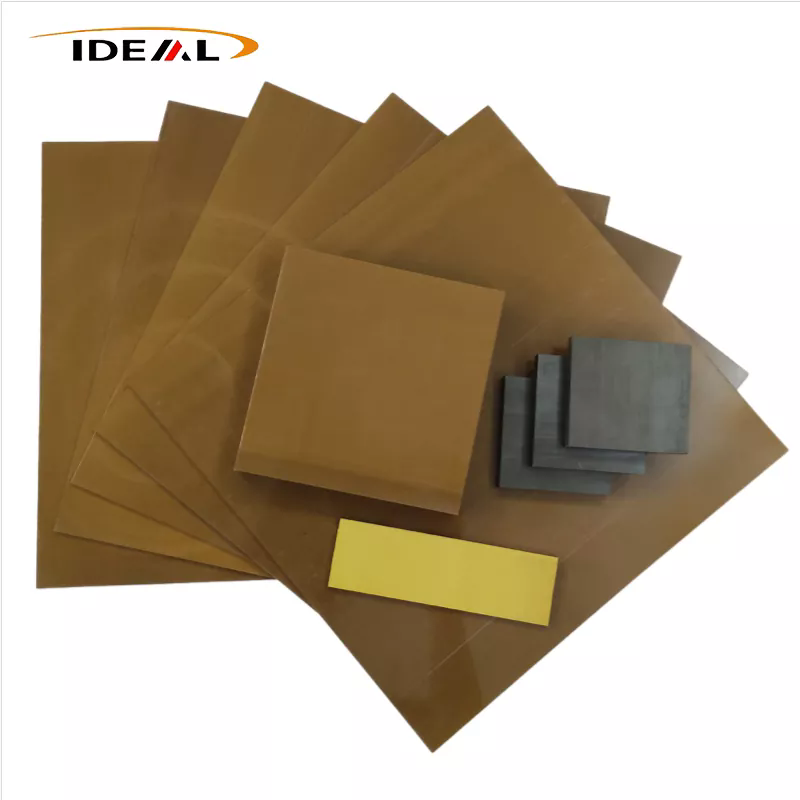
Why Torlon Sheets Outperform Conventional Materials
Unlike metals or standard plastics, Torlon Sheets offer an exceptional balance of mechanical strength, thermal stability, and chemical inertness. The table below outlines their core performance advantages.
| Property | Performance in Chemical Equipment | Benefit to Operations |
|---|---|---|
| Chemical Resistance | Resists acids, solvents, hydrocarbons, and chlorinated compounds | Minimizes swelling, cracking, and weight loss |
| Continuous Service Temperature | 260°C (500°F) in air; higher in inert conditions | Enables hot‑wet applications without creep |
| Tensile Strength (unfilled) | 21,000 psi (145 MPa) | Withstands high‑pressure valve and pump loads |
| Wear Factor | 5 × 10⁻¹⁰ in³·min/(lb·ft·hr) | Extends seal and bearing life in slurry service |
| Coefficient of Thermal Expansion | 2.5 × 10⁻⁵ in/in/°F (machined direction) | Maintains tight clearances under thermal cycling |
Key Applications Where Torlon Sheets Drive Performance
Torlon Sheets directly address three common failure modes in chemical equipment: corrosion, deformation under load, and abrasive wear.
-
Valve seats & seals – Replace PTFE or PEEK in high‑temperature acid streams. Torlon Sheets retain stiffness while resisting extraction by aggressive fluids.
-
Compressor piston rings – Reduce leakage in gas processing. Low creep ensures ring‑to‑cylinder contact remains stable.
-
Pump wear rings & bushings – Handle dry‑run conditions better than metals. No galling or cold welding.
-
Back‑up rings – Prevent extrusion of softer elastomers in high‑pressure flanges.
Torlon Sheets FAQ – Common Questions from Engineers
Q1: Can Torlon Sheets withstand continuous exposure to sulfuric acid at elevated temperatures?
A: Yes, Torlon Sheets show excellent resistance to 30% sulfuric acid at 120°C (248°F) with less than 0.5% weight change after 1,000 hours. For higher concentrations (70‑98%), surface oxidation may occur above 150°C, so GuangZhou Ideal recommends confirming the exact grade (e.g., 4500 series) with our engineering team for your specific acid concentration and operating cycle.
Q2: How do Torlon Sheets compare to stainless steel 316 in abrasive chemical slurries?
A: Torlon Sheets outperform SS316 significantly. The slurry erosion rate of Torlon Sheets is up to 5 times lower than stainless steel under the same particle velocity (20 m/s, 30% silica slurry). Additionally, Torlon Sheets do not suffer from pitting or chloride stress corrosion cracking, eliminating a primary failure mode found in steel equipment.
Q3: Can Torlon Sheets be machined into thin wear rings without losing dimensional stability?
A: Absolutely. Torlon Sheets offer excellent machinability to tight tolerances (±0.001 inch). The amorphous structure of Torlon Sheets prevents warping or stress relaxation after metal removal. For thin walls (less than 1.5 mm), GuangZhou Ideal uses stress‑relieved sheet stock and recommends slow feed rates to avoid micro‑cracking, but the finished part will maintain flatness and roundness across a 200°C service range.
Best Practices for Integrating Torlon Sheets in New or Retrofitted Lines
Engineers often ask whether existing metal‑fitted equipment can be converted. The answer is yes – Torlon Sheets can be machined into custom profiles, including stepped bushings and flanged seats. A simple checklist ensures success:
-
Verify chemical compatibility using GuangZhou Ideal’s chemical resistance chart.
-
Replace the original metal or PTFE component with a Torlon Sheets equivalent.
-
Adjust housing tolerances to account for lower thermal expansion of Torlon Sheets vs. metals.
-
Monitor initial 100 hours for any thermal‑cycle backlash – normally none.
Optimizing Total Cost of Ownership
While the upfront material cost of Torlon Sheets exceeds standard engineering plastics, the lifecycle savings are substantial. A chemical plant replacing 24 pump bushings (originally bronze) reported:
-
70% reduction in quarterly replacement frequency
-
Elimination of corrosion‑related seizing (zero unplanned shutdowns in 18 months)
-
Payback period under 6 months
Ready to upgrade your chemical processing equipment with Torlon Sheets? Contact GuangZhou Ideal today for technical datasheets, custom cutting, and prototyping support. Our engineers will help you select the right grade and machining method to maximize performance – reach out now.