

How Can Silicone Potting Compounds Improve Electronic Protection and Reliability?
2026-06-08
Silicone potting compounds have become an essential material for protecting sensitive electronic components from moisture, vibration, dust, chemicals, and temperature fluctuations. Whether used in automotive electronics, LED lighting, power supplies, telecommunications equipment, or industrial control systems, these advanced materials provide long-term reliability and performance. This article explores how silicone potting compounds work, their advantages, application methods, selection criteria, and common industry challenges they help solve.
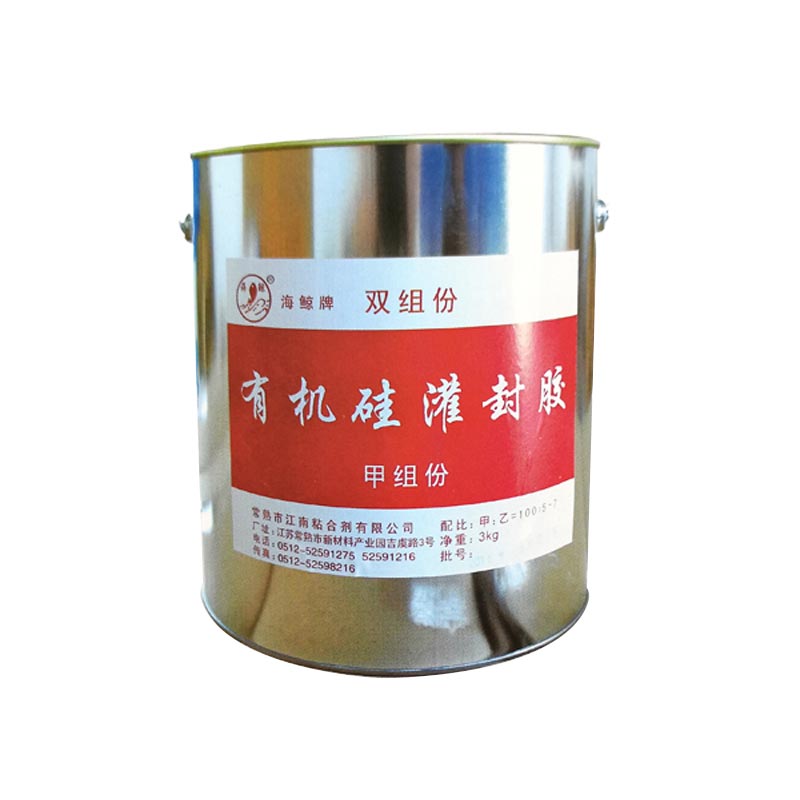
Table of Contents
- What Are Silicone Potting Compounds?
- Why Electronic Devices Need Potting Protection
- Key Benefits of Silicone Potting Compounds
- Common Applications
- Silicone vs Other Potting Materials
- How to Choose the Right Silicone Potting Compound
- Best Practices for Potting Applications
- Common Potting Mistakes to Avoid
- Why Manufacturers Trust Jiangnan Adhesives
- FAQ
- Conclusion
What Are Silicone Potting Compounds?
Silicone potting compounds are specialized encapsulation materials designed to protect electronic assemblies and components by surrounding them with a flexible, durable silicone-based layer. Once cured, the material forms a protective barrier that shields electronics from environmental and mechanical stress.
Unlike rigid encapsulation materials, silicone compounds maintain flexibility across a wide temperature range. This flexibility helps absorb mechanical stress and thermal expansion, making them ideal for modern electronics that operate under demanding conditions.
Potting compounds are typically supplied as one-component or two-component systems and can be formulated for different curing speeds, hardness levels, thermal conductivity, and electrical insulation properties.
Why Electronic Devices Need Potting Protection
Electronic assemblies are increasingly exposed to harsh operating environments. Moisture intrusion, vibration, thermal cycling, and chemical exposure can significantly shorten product lifespan and lead to costly failures.
Common challenges include:
- Water and humidity penetration
- Dust contamination
- Corrosion of circuit boards
- Mechanical shock and vibration damage
- Thermal stress from temperature changes
- Chemical exposure in industrial environments
- Electrical leakage and short circuits
Silicone potting compounds create a protective environment around sensitive components, helping manufacturers improve reliability and reduce warranty claims.
Key Benefits of Silicone Potting Compounds
| Benefit | Value to Manufacturers |
|---|---|
| Moisture Resistance | Protects circuits from humidity and water ingress |
| Thermal Stability | Maintains performance under extreme temperatures |
| Electrical Insulation | Prevents short circuits and electrical leakage |
| Vibration Protection | Absorbs shocks and mechanical stress |
| Chemical Resistance | Enhances durability in industrial environments |
| Long Service Life | Reduces maintenance and replacement costs |
One of the most important advantages of silicone materials is their ability to remain flexible even after years of exposure to temperature fluctuations. This property reduces stress on delicate electronic components and solder joints.
Common Applications
Silicone potting compounds are used across numerous industries where electronic reliability is critical.
| Industry | Typical Applications |
|---|---|
| Automotive | Sensors, ECUs, battery systems, control modules |
| LED Lighting | Drivers, lighting modules, outdoor fixtures |
| Renewable Energy | Solar inverters, junction boxes, controllers |
| Telecommunications | Communication modules and network equipment |
| Consumer Electronics | Power supplies and electronic modules |
| Industrial Automation | Controllers, sensors, industrial electronics |
Silicone vs Other Potting Materials
| Property | Silicone | Epoxy | Polyurethane |
|---|---|---|---|
| Flexibility | Excellent | Low | Moderate |
| Temperature Resistance | Excellent | Good | Moderate |
| Vibration Absorption | Excellent | Poor | Good |
| Reworkability | Good | Difficult | Moderate |
| Weather Resistance | Excellent | Good | Good |
For applications involving temperature cycling, outdoor exposure, and vibration, silicone potting compounds often provide the most balanced long-term solution.
How to Choose the Right Silicone Potting Compound
Selecting the appropriate material requires evaluating both environmental conditions and product requirements.
- Operating temperature range
- Required hardness and flexibility
- Thermal conductivity requirements
- Electrical insulation performance
- Exposure to moisture or chemicals
- Desired curing speed
- Production efficiency goals
- Long-term reliability expectations
Manufacturers should perform validation testing under actual operating conditions to ensure optimal performance before full-scale production.
Best Practices for Potting Applications
Even the highest-quality silicone potting compound cannot deliver maximum performance if applied incorrectly.
- Clean all surfaces thoroughly before dispensing.
- Ensure proper mixing ratios for two-part systems.
- Remove trapped air through vacuum degassing when necessary.
- Control dispensing volume accurately.
- Follow recommended curing conditions.
- Conduct quality inspections after curing.
- Perform environmental testing before shipment.
Proper process control improves consistency, reduces defects, and ensures reliable protection throughout the product lifecycle.
Common Potting Mistakes to Avoid
- Using a compound without considering operating temperature requirements.
- Incomplete mixing of two-component formulations.
- Ignoring air bubble formation.
- Applying excessive material thickness.
- Insufficient curing time before product testing.
- Failing to evaluate thermal management requirements.
- Selecting materials solely based on cost rather than performance.
Avoiding these common issues can significantly improve manufacturing efficiency and final product reliability.
Why Manufacturers Trust Jiangnan Adhesives
Jiangnan Adhesives provides high-performance silicone potting compound solutions designed for demanding electronic and industrial applications. With extensive experience in adhesive and encapsulation technologies, the company focuses on delivering products that help customers achieve reliable protection, consistent manufacturing results, and long-term durability.
From LED electronics and automotive systems to industrial controls and power modules, Jiangnan Adhesives offers solutions engineered to address moisture resistance, thermal management, vibration protection, and electrical insulation requirements.
By working closely with customers during product selection and application development, Jiangnan Adhesives helps manufacturers optimize both performance and production efficiency.
FAQ
Q1: What is the main purpose of silicone potting compounds?
Their primary purpose is to protect electronic components from moisture, dust, vibration, chemicals, and temperature-related stress.
Q2: Are silicone potting compounds suitable for outdoor electronics?
Yes. Silicone materials provide excellent UV resistance, weatherability, and long-term environmental protection.
Q3: Can silicone potting compounds handle high temperatures?
Most silicone formulations maintain stability across a broad temperature range, making them suitable for demanding environments.
Q4: How do silicone compounds differ from epoxy systems?
Silicone materials offer greater flexibility and thermal stability, while epoxy systems are generally more rigid after curing.
Q5: Do silicone potting compounds improve product lifespan?
Yes. By protecting sensitive electronics from environmental and mechanical damage, they help extend operational life and reduce failure rates.
Conclusion
Silicone potting compounds play a critical role in modern electronics protection. Their combination of flexibility, electrical insulation, moisture resistance, thermal stability, and vibration absorption makes them a preferred solution across numerous industries. Choosing the right material and following proper application practices can significantly improve product reliability, reduce maintenance costs, and extend service life.
Looking for a reliable silicone potting compound solution for your next project?
Jiangnan Adhesives is ready to help you select the ideal material for your specific application requirements. Our technical team can provide professional guidance, product recommendations, and customized solutions to support your manufacturing goals.
Contact us today to discuss your project and discover how Jiangnan Adhesives can help improve the performance, durability, and reliability of your electronic products.