

How Can Regenerated PS Plastic Pellets Improve Your Manufacturing Process?
2026-05-20
Summary: Regenerated PS plastic pellets are transforming the plastics industry by offering sustainable, cost-effective, and high-quality alternatives to virgin polystyrene. This article explores their benefits, production process, applications, and how companies like JUWU are leading the market in providing premium regenerated PS solutions. Learn how these pellets can enhance your operations while reducing environmental impact.
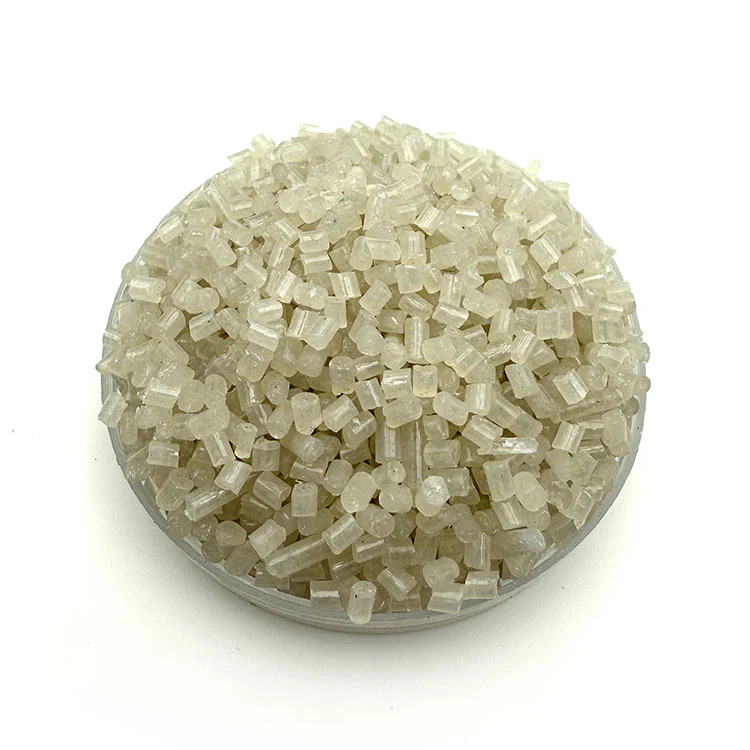
Table of Contents
- What Are Regenerated PS Plastic Pellets?
- How Are Regenerated PS Plastic Pellets Made?
- What Are the Advantages of Using Regenerated PS Pellets?
- Where Can Regenerated PS Pellets Be Used?
- How Does JUWU Ensure Quality Standards?
- Frequently Asked Questions
What Are Regenerated PS Plastic Pellets?
Regenerated PS (polystyrene) plastic pellets are high-quality, recycled polymer materials processed from post-consumer or post-industrial polystyrene waste. These pellets are designed to match the performance of virgin PS in manufacturing applications, offering similar physical properties while promoting sustainability.
By converting waste into reusable material, regenerated PS helps reduce landfill burden and raw material consumption, supporting eco-friendly manufacturing practices.
How Are Regenerated PS Plastic Pellets Made?
The production of regenerated PS pellets involves several meticulous steps to ensure consistent quality and performance:
- Collection: Polystyrene waste is collected from industrial scrap, packaging, and other post-consumer sources.
- Sorting: Contaminants such as metals, labels, and other plastics are removed to ensure purity.
- Cleaning: The sorted PS material is washed thoroughly to eliminate dirt and residues.
- Shredding & Grinding: Clean PS waste is shredded into smaller flakes for uniformity in melting and extrusion.
- Extrusion: The flakes are melted and reformed into uniform pellets using an extrusion process.
- Cooling & Packaging: Pellets are cooled, dried, and packaged, ready for industrial use.
JUWU emphasizes strict quality control during every step, ensuring that regenerated PS pellets maintain high-performance standards comparable to virgin materials.
What Are the Advantages of Using Regenerated PS Pellets?
Manufacturers are increasingly switching to regenerated PS plastic pellets for a variety of reasons:
| Benefit | Description |
|---|---|
| Cost Savings | Regenerated PS is significantly cheaper than virgin material, reducing production expenses. |
| Environmental Sustainability | Recycling polystyrene minimizes landfill waste and lowers carbon footprint. |
| Consistent Quality | Modern processing techniques ensure uniformity in pellet size, density, and physical properties. |
| Versatility | Can be used in injection molding, extrusion, thermoforming, and other common PS applications. |
| Regulatory Compliance | Produced to meet international standards for recycled plastics, ensuring safe use in multiple industries. |
Where Can Regenerated PS Pellets Be Used?
Regenerated PS pellets are highly versatile and suitable for a wide range of applications across industries:
- Packaging: Food containers, cups, trays, and protective packaging.
- Consumer Products: Toys, household appliances, and decorative items.
- Construction Materials: Insulation panels, lightweight components, and molded sheets.
- Industrial Applications: Automotive parts, electronics housing, and equipment casings.
JUWU’s regenerated PS pellets are formulated to meet the diverse requirements of these industries, ensuring reliable performance without compromising on environmental responsibility.
How Does JUWU Ensure Quality Standards?
JUWU implements stringent quality management practices to guarantee that regenerated PS pellets meet customer expectations:
- Material Traceability: Each batch is tracked from source material to finished pellets.
- Physical Testing: Density, melt flow rate, and color consistency are tested in-house.
- Environmental Compliance: Pellets adhere to international regulations for recycled plastics.
- Customer Support: JUWU provides technical guidance for selecting the right pellet grade for specific applications.
Frequently Asked Questions
- Q: Are regenerated PS pellets as strong as virgin polystyrene?
- A: Yes, modern regeneration processes produce PS pellets that closely match the mechanical properties of virgin material.
- Q: Can these pellets be used in food-grade applications?
- A: Depending on local regulations, JUWU offers pellets suitable for indirect food contact and packaging applications.
- Q: How do I choose the right type of regenerated PS pellets?
- A: Consider factors such as intended application, molding method, and desired finish. JUWU provides detailed specifications for each grade.
- Q: Does using regenerated PS reduce production costs?
- A: Yes, switching from virgin PS to regenerated PS can significantly lower raw material costs while maintaining product quality.
In conclusion, regenerated PS plastic pellets offer manufacturers an excellent combination of cost-efficiency, sustainability, and performance. Companies like JUWU are at the forefront of supplying high-quality pellets that meet industry demands while promoting environmental responsibility. To explore our full range of regenerated PS products and see how they can benefit your manufacturing process, contact us today.