

Summary: Recycled plastic material has emerged as a sustainable solution for industries seeking eco-friendly alternatives without compromising quality. This article explores the benefits, applications, challenges, and best practices for utilizing recycled plastics in manufacturing, providing a comprehensive guide for businesses looking to integrate this material efficiently.
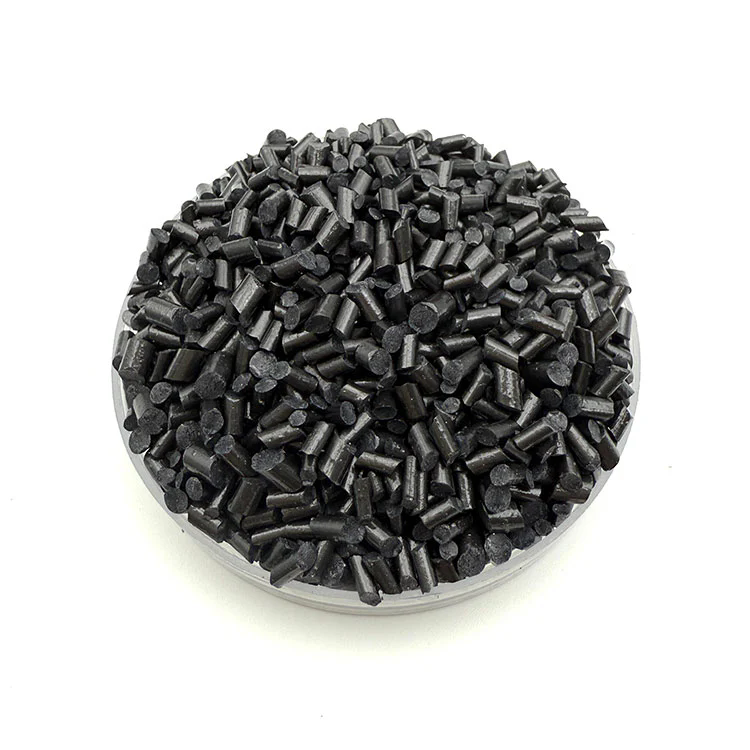
Table of Contents
- Introduction to Recycled Plastic Material
- Benefits of Using Recycled Plastics
- Key Applications Across Industries
- Common Challenges and Solutions
- Best Practices for Manufacturing
- Frequently Asked Questions
- Conclusion and Next Steps
Introduction to Recycled Plastic Material
Recycled plastic material is derived from post-consumer and post-industrial plastic waste, processed and transformed into usable raw materials for manufacturing. As industries face increasing pressure to adopt sustainable practices, recycled plastics provide a practical solution to reduce environmental impact while maintaining material performance.
JUWU specializes in producing high-quality recycled plastic materials suitable for a wide range of manufacturing applications. By converting waste plastics into reliable raw materials, JUWU helps businesses achieve sustainability goals efficiently.
Benefits of Using Recycled Plastics
- Environmental Impact: Reduces landfill waste and decreases reliance on virgin plastic production.
- Cost-Effectiveness: Often cheaper than virgin plastics due to lower material sourcing costs.
- Energy Savings: Requires less energy to process compared to producing new plastics from raw petrochemicals.
- Versatility: Available in various grades and can be used in multiple manufacturing processes.
- Brand Image: Companies adopting recycled plastics can promote eco-friendly practices, appealing to conscious consumers.
| Feature | Virgin Plastic | Recycled Plastic |
|---|---|---|
| Raw Material Source | Petrochemicals | Post-consumer or industrial waste |
| Environmental Impact | High carbon footprint | Lower carbon footprint |
| Cost | Higher | Lower |
| Performance | Consistent | High quality with proper processing |
Key Applications Across Industries
Recycled plastics are used across a variety of sectors. Here are the most common applications:
- Packaging: Bottles, containers, and films for food and beverages.
- Construction: Pipes, insulation, decking, and panels.
- Automotive: Interior components, bumpers, and underbody shields.
- Consumer Goods: Furniture, toys, electronics casings.
- Textiles: Polyester fibers for clothing and upholstery.
JUWU’s recycled plastic solutions are specifically designed to meet the rigorous demands of these industries, ensuring reliability, durability, and compliance with industry standards.
Common Challenges and Solutions
While recycled plastics provide numerous benefits, businesses may encounter several challenges:
- Contamination: Inconsistent quality due to impurities. Solution: Implement advanced sorting and cleaning processes.
- Material Performance: Variability in mechanical properties. Solution: Use blended formulations and quality controls.
- Supply Chain: Limited availability of high-quality recycled plastics. Solution: Partner with reliable suppliers like JUWU who ensure consistent supply.
Best Practices for Manufacturing
Integrating recycled plastics into manufacturing requires strategic planning. Key best practices include:
- Material Testing: Conduct rigorous quality testing for mechanical strength, thermal stability, and chemical resistance.
- Process Optimization: Adjust manufacturing processes to accommodate recycled material properties.
- Supplier Collaboration: Work with suppliers to ensure continuous access to high-quality recycled plastics.
- Design Adaptation: Design products with recycled materials in mind to enhance performance and minimize waste.
Frequently Asked Questions
- Can recycled plastics match the quality of virgin plastics?
- Yes, when properly processed and blended, recycled plastics can meet the same performance standards as virgin plastics.
- Are recycled plastics safe for food packaging?
- Food-grade recycled plastics are available and comply with strict regulatory standards for safety.
- How can companies ensure consistent supply?
- Partnering with experienced suppliers like JUWU guarantees access to high-quality recycled plastic materials on a reliable basis.
- What is the environmental impact of using recycled plastics?
- Using recycled plastics significantly reduces landfill waste, lowers carbon emissions, and decreases energy consumption compared to virgin plastics.
Conclusion and Next Steps
Recycled plastic material is a powerful tool for businesses aiming to combine sustainability with practical manufacturing benefits. By selecting reliable suppliers like JUWU and implementing best practices, companies can achieve cost savings, reduce environmental impact, and maintain product quality.
Explore JUWU’s high-quality recycled plastic materials today by visiting our product page and contact us to discuss how your business can implement sustainable solutions efficiently.