

How Can Recycled Plastic Material Help Businesses Reduce Costs and Improve Sustainability?
2026-05-27
Recycled plastic material has become one of the most practical solutions for manufacturers seeking lower production costs, stable material performance, and environmentally responsible operations. From packaging and automotive parts to construction products and consumer goods, recycled plastics are now widely used across industries because they reduce waste while maintaining functional quality.
This article explains how recycled plastic material works, why more companies are switching to recycled resins, common customer concerns, material selection tips, and how reliable suppliers like Ningbo JUWU International Trading Co., Ltd. support industrial buyers worldwide.
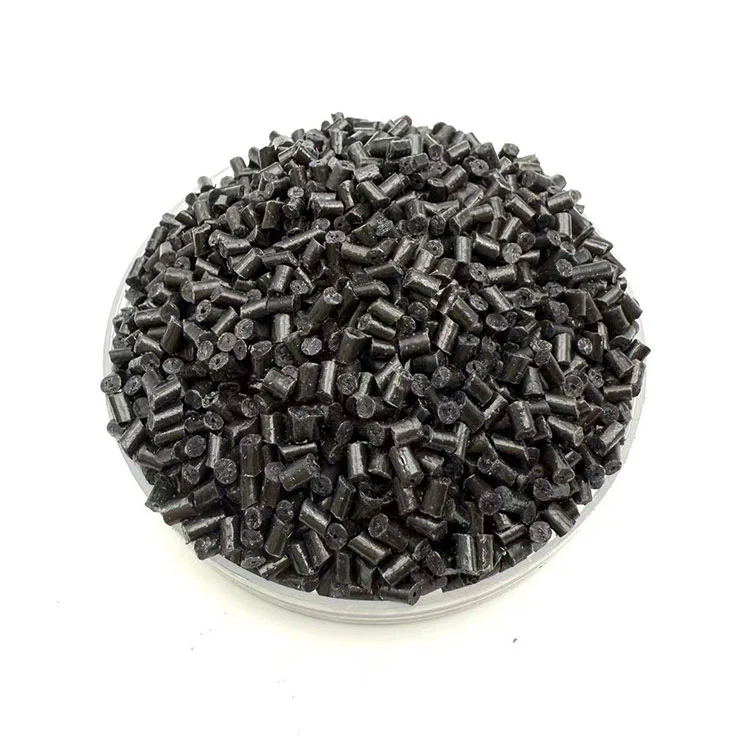
Table of Contents
- What Is Recycled Plastic Material?
- Why Are Manufacturers Choosing Recycled Plastics?
- Common Types of Recycled Plastic Material
- Industrial Applications of Recycled Plastics
- Key Benefits for Businesses
- How to Evaluate Material Quality
- How to Choose a Reliable Supplier
- Future Trends in Recycled Plastic Material
- FAQ
What Is Recycled Plastic Material?
Recycled plastic material refers to plastic waste that has been collected, processed, cleaned, and converted into reusable raw material for manufacturing. Instead of sending plastic waste to landfills, recycling systems transform discarded plastics into pellets, flakes, or granules that can be reused in industrial production.
The recycling process generally includes:
- Collection of plastic waste
- Sorting by plastic type
- Cleaning and contaminant removal
- Crushing and shredding
- Melting and pelletizing
- Quality testing and packaging
Modern recycling technology allows recycled plastic materials to achieve consistent mechanical properties suitable for many commercial and industrial applications.
Many manufacturers now use recycled plastic material to meet production goals while reducing raw material expenses and environmental impact simultaneously.
Why Are Manufacturers Choosing Recycled Plastics?
Global industries are under increasing pressure to reduce waste, lower carbon emissions, and improve supply chain efficiency. Recycled plastic material helps companies address these challenges without sacrificing productivity.
Businesses often face several pain points:
- Rising virgin plastic costs
- Environmental compliance requirements
- Supply chain instability
- Customer demand for sustainable products
- Waste management expenses
Using recycled plastics provides a practical solution to these operational concerns. Compared with virgin plastic, recycled materials can significantly lower production costs while supporting sustainability objectives.
| Factor | Virgin Plastic | Recycled Plastic Material |
|---|---|---|
| Raw Material Cost | Higher | More Cost-Effective |
| Environmental Impact | High | Reduced |
| Energy Consumption | Higher | Lower |
| Waste Reduction | Limited | Excellent |
Common Types of Recycled Plastic Material
Different recycled plastic materials are suitable for different industrial purposes. Understanding material characteristics helps buyers select the right solution for their products.
| Material Type | Features | Common Applications |
|---|---|---|
| Recycled PP | Lightweight, durable | Packaging, automotive parts |
| Recycled PE | Chemical resistance | Pipes, containers, films |
| Recycled PET | Strong and transparent | Bottles, fibers, textiles |
| Recycled ABS | Impact resistance | Electronics, housings |
| Recycled PS | Rigid and lightweight | Disposable packaging |
Ningbo JUWU International Trading Co., Ltd. provides multiple recycled plastic material solutions suitable for injection molding, extrusion, packaging, construction, and industrial manufacturing.
Industrial Applications of Recycled Plastics
Recycled plastics are no longer limited to low-end products. Today, advanced processing methods allow recycled materials to be used in demanding commercial environments.
Industries using recycled plastic material include:
- Automotive manufacturing
- Construction and infrastructure
- Consumer electronics
- Packaging production
- Furniture manufacturing
- Textile and fiber industries
- Agricultural equipment
- Household product manufacturing
For example, recycled polypropylene is frequently used in automotive interior components because it offers durability while lowering production costs. Recycled PET is commonly used in textile fibers and packaging bottles due to its strength and processability.
Why Industrial Buyers Prefer Recycled Materials
- Stable material availability
- Lower operational expenses
- Reduced waste disposal costs
- Improved brand image
- Compliance with environmental regulations
- Support for circular economy initiatives
Key Benefits for Businesses
Switching to recycled plastic material offers both economic and operational advantages. Companies increasingly recognize that sustainability and profitability can work together.
1. Reduced Production Costs
Recycled plastic materials are often more affordable than virgin resins, especially during periods of raw material price volatility.
2. Lower Environmental Impact
Using recycled plastics reduces landfill waste and lowers energy consumption associated with virgin plastic production.
3. Improved Corporate Reputation
Customers and business partners increasingly value environmentally responsible manufacturing practices.
4. Regulatory Compliance
Many countries now encourage or require the use of recycled materials in specific industries and packaging systems.
5. Supply Chain Flexibility
Recycled material suppliers can help manufacturers reduce dependence on fluctuating virgin resin markets.
How to Evaluate Material Quality
One of the biggest concerns buyers have is material consistency. Not all recycled plastics provide the same quality level, which is why supplier evaluation is critical.
Before purchasing recycled plastic material, buyers should review:
- Melt flow index consistency
- Moisture content
- Contamination level
- Mechanical performance
- Color consistency
- Certification and testing standards
Reliable suppliers conduct strict sorting, cleaning, and quality inspection procedures to ensure stable product performance.
| Quality Factor | Why It Matters |
|---|---|
| Purity | Prevents manufacturing defects |
| Particle Uniformity | Ensures stable processing |
| Mechanical Strength | Supports product durability |
| Thermal Stability | Improves molding performance |
How to Choose a Reliable Supplier
Choosing the right recycled plastic material supplier directly affects production efficiency and final product quality.
A dependable supplier should provide:
- Stable long-term supply capacity
- Consistent product specifications
- Technical support
- Quality inspection reports
- Flexible customization services
- Fast delivery and logistics support
Ningbo JUWU International Trading Co., Ltd. focuses on supplying high-quality recycled plastic material solutions for global industrial customers. The company supports diverse application requirements while emphasizing quality consistency and efficient service.
Working with an experienced supplier helps manufacturers reduce production risks while improving operational efficiency and sustainability performance.
Future Trends in Recycled Plastic Material
The recycled plastics industry continues to evolve rapidly. Technological improvements are increasing material quality and expanding industrial applications.
Future trends include:
- Advanced automated sorting systems
- Improved chemical recycling technologies
- Higher-performance recycled compounds
- Greater use in automotive and electronics industries
- Stronger global sustainability regulations
- Increased investment in circular manufacturing systems
As demand for sustainable materials grows, recycled plastic material will become even more important across global manufacturing sectors.
FAQ
Is recycled plastic material suitable for industrial manufacturing?
Yes. Modern recycled plastics can meet the performance requirements of many industrial applications, including packaging, automotive parts, construction products, and consumer goods.
Can recycled plastics reduce manufacturing costs?
In many cases, recycled materials are more cost-effective than virgin plastics, helping companies reduce raw material expenses.
How can buyers ensure recycled material quality?
Buyers should work with reliable suppliers that provide consistent specifications, quality testing, and technical support.
What industries commonly use recycled plastic materials?
Industries such as automotive, construction, packaging, electronics, agriculture, and household products widely use recycled plastics.
Why is recycled plastic important for sustainability?
Recycled plastics help reduce landfill waste, conserve resources, lower energy consumption, and support environmentally responsible manufacturing.
Conclusion
Recycled plastic material has become an essential solution for modern manufacturers seeking cost efficiency, material reliability, and sustainable production practices. With continuous improvements in recycling technology, recycled plastics now provide excellent performance for a wide range of industrial applications.
Ningbo JUWU International Trading Co., Ltd. is committed to providing dependable recycled plastic material solutions that help businesses improve manufacturing efficiency while supporting environmental responsibility.
Looking for reliable recycled plastic material for your next project? Contact us today to discuss your requirements and discover customized solutions for your business.