

How Can PVC Film Improve Product Protection, Appearance, and Manufacturing Efficiency?
2026-06-08
Article Summary
PVC Film has become one of the most widely used materials across packaging, furniture decoration, construction, automotive interiors, advertising, medical products, and industrial manufacturing. Businesses often face challenges such as product damage during transportation, inconsistent surface finishes, high production costs, and limited customization options. PVC Film offers a practical solution by combining durability, flexibility, aesthetic appeal, and cost efficiency in a single material.
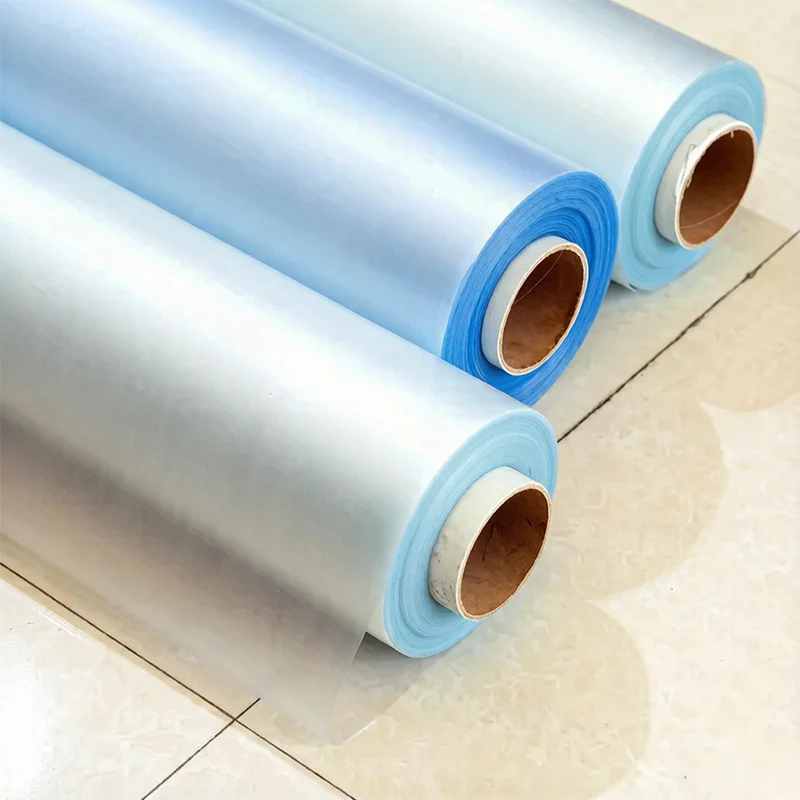
This article explores how PVC Film enhances product performance, the different types available, key applications, selection criteria, and how businesses can maximize value from their investment. Whether you are a manufacturer, distributor, or product designer, understanding PVC Film can help improve production efficiency while maintaining high-quality results.
Table of Contents
- What Is PVC Film?
- Why Is PVC Film So Popular?
- Types of PVC Film
- Major Applications of PVC Film
- Key Benefits for Businesses
- PVC Film vs Other Film Materials
- How to Choose the Right PVC Film
- Quality Factors to Consider
- Future Trends in PVC Film Industry
- Frequently Asked Questions
- Conclusion
What Is PVC Film?
PVC Film refers to a thin sheet material manufactured from Polyvinyl Chloride (PVC) resin. Through advanced processing technologies such as calendaring, extrusion, and coating, PVC Film can be produced in a wide range of thicknesses, colors, textures, and finishes.
Its versatility allows it to serve both decorative and protective functions. Depending on the application, PVC Film can be transparent, opaque, glossy, matte, embossed, printed, colored, or laminated with additional performance-enhancing layers.
Manufacturers value PVC Film because it can be customized to meet specific functional and aesthetic requirements while remaining cost-effective for large-scale production.
Why Is PVC Film So Popular?
Many industries rely on PVC Film because it addresses several common production and packaging challenges simultaneously.
- Protects surfaces from scratches and moisture
- Provides attractive decorative finishes
- Supports high-speed manufacturing processes
- Offers excellent printability
- Reduces overall material costs
- Available in numerous colors and textures
- Suitable for indoor and outdoor applications
- Easy to process and fabricate
These characteristics make PVC Film a preferred solution for companies seeking both performance and visual appeal.
Types of PVC Film
Different applications require different film properties. Understanding the available options helps businesses select the most suitable product.
| Type | Main Characteristics | Typical Applications |
|---|---|---|
| Transparent PVC Film | High clarity and visibility | Packaging, stationery, protective covers |
| Colored PVC Film | Decorative and branding purposes | Labels, displays, furniture |
| Rigid PVC Film | Strong and dimensionally stable | Blister packaging, industrial products |
| Soft PVC Film | Flexible and easy to process | Bags, curtains, covers |
| Printed PVC Film | Custom graphics and branding | Advertising and packaging |
| Decorative PVC Film | Wood grain, marble, metallic finishes | Furniture and interior decoration |
Major Applications of PVC Film
PVC Film serves a wide variety of industries worldwide.
Furniture Industry
Furniture manufacturers use decorative PVC Film to create realistic wood grain, stone, metallic, and textured finishes. This allows companies to produce attractive products while reducing material costs associated with natural wood or stone.
Packaging Industry
PVC Film protects products from dust, moisture, and physical damage during transportation and storage. Its transparency also enhances product visibility on retail shelves.
Construction Industry
PVC Film is widely applied to wall panels, doors, ceilings, window profiles, and decorative surfaces. It improves durability while providing modern visual aesthetics.
Automotive Industry
Vehicle manufacturers utilize PVC Film for interior trims, dashboard coverings, and decorative components due to its flexibility and design versatility.
Advertising Industry
PVC Film supports high-quality printing for banners, signage, promotional displays, and graphic applications.
Medical and Industrial Applications
Specialized PVC Films are used in medical packaging, protective covers, industrial curtains, and various technical applications requiring durability and reliability.
Key Benefits for Businesses
Companies continually seek materials that improve operational efficiency while maintaining product quality. PVC Film delivers several advantages.
| Business Challenge | How PVC Film Helps |
|---|---|
| Surface damage during transport | Provides reliable protective barrier |
| High decoration costs | Offers economical decorative alternatives |
| Limited customization options | Supports extensive colors and textures |
| Slow production processes | Compatible with automated manufacturing |
| Inconsistent product appearance | Ensures uniform surface finishes |
| Environmental exposure | Resists moisture and many contaminants |
These advantages help businesses improve competitiveness while reducing production complexity.
PVC Film vs Other Film Materials
When selecting a film material, buyers often compare PVC Film with alternatives.
| Property | PVC Film | PET Film | PP Film |
|---|---|---|---|
| Flexibility | Excellent | Moderate | Good |
| Decorative Options | Very High | Moderate | Limited |
| Cost Efficiency | High | Moderate | High |
| Printability | Excellent | Good | Good |
| Surface Textures | Extensive | Limited | Limited |
For decorative and protective applications requiring customization, PVC Film frequently offers a strong balance between performance and affordability.
How to Choose the Right PVC Film
Selecting the correct PVC Film depends on project requirements and operating conditions.
- Determine required thickness
- Identify indoor or outdoor usage
- Evaluate flexibility requirements
- Consider printing or decorative needs
- Assess UV resistance requirements
- Review environmental exposure conditions
- Confirm compatibility with production equipment
- Verify compliance with industry standards
Working closely with an experienced supplier can significantly reduce procurement risks and improve product performance.
Quality Factors to Consider
Not all PVC Films are manufactured to the same standards. Buyers should carefully evaluate several quality indicators before purchasing.
- Thickness consistency
- Surface smoothness
- Color stability
- Adhesion performance
- Dimensional stability
- Scratch resistance
- Weather resistance
- Printing compatibility
- Production batch consistency
Reliable quality control helps minimize defects and ensures long-term customer satisfaction.
Future Trends in PVC Film Industry
The PVC Film market continues to evolve as manufacturers develop advanced solutions to meet changing industry demands.
- Enhanced decorative technologies
- Improved surface textures and realism
- Higher-performance protective coatings
- Greater customization capabilities
- Smart manufacturing integration
- Improved processing efficiency
- Expanded industrial applications
These innovations are helping businesses achieve better product differentiation while maintaining operational efficiency.
Frequently Asked Questions
Q1: What industries commonly use PVC Film?
PVC Film is widely used in furniture manufacturing, packaging, construction, automotive interiors, advertising, medical products, and industrial applications.
Q2: Is PVC Film suitable for decorative applications?
Yes. PVC Film is available in wood grain, marble, metallic, solid color, matte, glossy, and embossed finishes, making it highly suitable for decorative purposes.
Q3: Can PVC Film be customized?
Absolutely. Manufacturers can customize thickness, width, color, texture, surface finish, and printing designs according to project requirements.
Q4: Does PVC Film provide product protection?
Yes. It helps protect surfaces against moisture, dust, scratches, and other common environmental factors.
Q5: Why do manufacturers prefer PVC Film?
Because it combines durability, visual appeal, processing flexibility, and cost-effectiveness, making it suitable for large-scale production.
Conclusion
PVC Film remains one of the most versatile and practical materials available for modern manufacturing and product decoration. Its ability to enhance appearance, protect surfaces, improve production efficiency, and support extensive customization makes it a valuable solution across numerous industries.
Whether you are producing furniture, packaging, construction materials, automotive components, or advertising products, selecting the right PVC Film can significantly improve both product quality and operational performance.
Ningbo Derusen Trading Co., Ltd. is committed to providing high-quality PVC Film solutions tailored to diverse industry requirements. If you are looking for reliable PVC Film products, professional technical support, and customized solutions to help your business grow, contact us today and discover how our expertise can create value for your next project.