
How Can PEI Machined Parts Improve Performance in High-Temperature and Precision Applications?
2026-08-06
Article Summary
PEI machined parts are becoming an important solution for industries that require exceptional strength, dimensional stability, heat resistance, and chemical durability. From aerospace components and medical equipment to semiconductor manufacturing and industrial machinery, PEI (Polyetherimide) provides engineers with a reliable alternative to traditional engineering plastics and even some metal components. This article explains how PEI machined parts solve common manufacturing challenges, why precision machining matters, and how Guangzhou Ideal Plastic Technology co.,Ltd delivers customized PEI machining solutions for demanding applications.
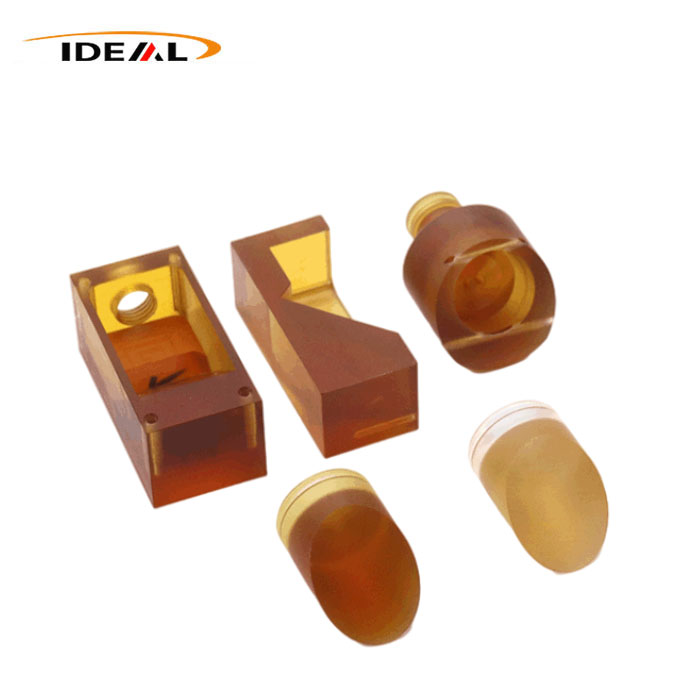
Table of Contents
- 1. What Are PEI Machined Parts?
- 2. What Problems Can PEI Machined Parts Solve?
- 3. Why Choose PEI Material for Precision Machined Components?
- 4. How Are PEI Machined Parts Manufactured?
- 5. Where Are PEI Machined Parts Commonly Used?
- 6. PEI Machined Parts Compared with Other Engineering Plastics
- 7. How Guangzhou Ideal Plastic Technology co.,Ltd Provides Reliable PEI Machining Solutions
- 8. Frequently Asked Questions About PEI Machined Parts
Article Outline
- Understanding PEI material characteristics and machining requirements
- Identifying industrial problems solved by PEI components
- Exploring PEI's mechanical, thermal, and chemical advantages
- Learning the precision machining process
- Discovering industry applications and selection considerations
- Understanding professional PEI machining services
What Are PEI Machined Parts?
PEI machined parts are precision components manufactured from Polyetherimide (PEI), a high-performance thermoplastic known for its excellent mechanical strength, heat resistance, and long-term stability. Unlike ordinary plastic materials that may deform under high temperatures or heavy loads, PEI maintains reliable performance in challenging environments.
Through advanced CNC machining processes, PEI materials can be transformed into complex components with tight tolerances and customized designs. These parts are commonly produced according to engineering drawings, prototypes, or specific application requirements.
Many manufacturers choose PEI machined parts because they combine the advantages of lightweight plastics with the durability required for industrial applications. They offer excellent electrical insulation, low moisture absorption, and resistance to many chemicals, making them suitable for precision environments.
What Problems Can PEI Machined Parts Solve?
Many industries face challenges when selecting materials for precision components. Traditional materials may fail because of excessive weight, poor temperature resistance, chemical exposure, or dimensional changes. PEI machined parts provide practical solutions to these problems.
| Common Challenge | Impact on Components | PEI Machined Parts Solution |
|---|---|---|
| High-temperature operation | Material deformation and reduced service life | Excellent thermal stability allows reliable performance in elevated temperatures |
| Strict dimensional requirements | Assembly problems and reduced precision | CNC machining creates accurate and consistent components |
| Chemical exposure | Surface damage and material degradation | Strong chemical resistance improves durability |
| Weight limitations | Increased equipment weight and reduced efficiency | Lightweight alternative to some metal parts |
| Electrical insulation requirements | Safety risks and performance failures | Excellent dielectric properties support electrical applications |
Choosing the right material is essential for reducing maintenance costs, improving equipment reliability, and extending component lifespan. PEI provides engineers with a balanced combination of performance characteristics.
Why Choose PEI Material for Precision Machined Components?
PEI has become a preferred engineering plastic because of its unique combination of physical and chemical properties. Compared with conventional plastics, PEI provides higher performance in demanding industrial environments.
- Outstanding Heat Resistance: PEI can maintain mechanical properties under continuous high-temperature conditions, making it suitable for applications exposed to heat.
- Excellent Mechanical Strength: PEI components provide high stiffness and dimensional stability, reducing the risk of deformation during operation.
- Low Moisture Absorption: PEI absorbs very little moisture, helping maintain consistent dimensions in changing environments.
- Strong Chemical Resistance: PEI performs well against many industrial chemicals, oils, and cleaning agents.
- Superior Electrical Performance: Its insulation properties make it valuable for electronic and electrical components.
- Lightweight Construction: PEI offers a lower weight option compared with many metal alternatives.
These advantages make PEI machined parts suitable for applications where ordinary plastics cannot provide enough reliability.
How Are PEI Machined Parts Manufactured?
Producing high-quality PEI machined parts requires professional machining technology and careful process control. Because PEI is a high-performance material, improper machining parameters may affect surface quality, accuracy, and final performance.
- Material Selection: Engineers select suitable PEI grades according to temperature requirements, mechanical loads, and environmental conditions.
- Engineering Design Review: Technical teams analyze drawings and optimize designs for machining efficiency and reliability.
- CNC Machining Process: Advanced CNC equipment performs cutting, drilling, milling, and finishing operations with precise control.
- Quality Inspection: Finished parts are measured to confirm dimensional accuracy and meet customer specifications.
- Surface Treatment and Delivery: Additional finishing processes can be applied when required before shipment.
Professional machining helps prevent common issues such as cracking, excessive tool wear, poor surface finish, and dimensional errors.
Where Are PEI Machined Parts Commonly Used?
Due to their reliable performance, PEI machined parts are widely used in industries that demand precision and durability.
| Industry | Typical PEI Applications | Main Benefits |
|---|---|---|
| Aerospace | Insulation components, structural parts, connectors | Lightweight design and high temperature resistance |
| Medical Equipment | Device components and laboratory parts | Chemical resistance and dimensional stability |
| Semiconductor Industry | Fixtures, carriers, precision components | Clean performance and thermal stability |
| Electrical Industry | Insulators and electronic housings | Excellent electrical insulation |
| Industrial Machinery | Wear-resistant components and custom parts | Long service life and reliability |
The flexibility of PEI machining allows manufacturers to create customized solutions for both prototype development and large-scale production.
PEI Machined Parts Compared with Other Engineering Plastics
| Material | Temperature Resistance | Mechanical Strength | Typical Applications |
|---|---|---|---|
| PEI | Excellent | High | Precision industrial and high-performance components |
| ABS | Moderate | Medium | General-purpose plastic products |
| Nylon | Good | Good | Mechanical parts and wear applications |
| PTFE | Excellent | Lower | Chemical-resistant components |
Although different engineering plastics have their own advantages, PEI provides a balanced solution when applications require strength, heat resistance, precision, and stability simultaneously.
How Guangzhou Ideal Plastic Technology co.,Ltd Provides Reliable PEI Machining Solutions
Selecting an experienced manufacturer is essential when producing precision PEI machined parts. Guangzhou Ideal Plastic Technology co.,Ltd focuses on customized plastic machining solutions and provides professional support from material selection to final production.
The company understands that different industries require different performance standards. By combining machining expertise, advanced equipment, and strict quality management, Guangzhou Ideal Plastic Technology co.,Ltd helps customers develop components that meet complex application requirements.
- Customized PEI components based on customer drawings and specifications
- Professional machining support for prototypes and production parts
- Accurate dimensional control for demanding applications
- Material recommendations based on operating conditions
- Reliable manufacturing solutions for industrial customers
Working with a professional PEI machining supplier helps companies reduce development risks, improve product performance, and achieve more efficient manufacturing processes.
Frequently Asked Questions About PEI Machined Parts
Q1: What makes PEI machined parts different from standard plastic parts?
PEI machined parts provide higher temperature resistance, stronger mechanical performance, better dimensional stability, and improved durability compared with ordinary plastics.
Q2: Can PEI machined parts replace metal components?
In some applications, PEI can replace metal parts when lightweight design, electrical insulation, or chemical resistance is more important than maximum mechanical strength.
Q3: Are PEI machined parts suitable for custom designs?
Yes. CNC machining allows PEI components to be manufactured according to specific drawings, dimensions, and functional requirements.
Q4: What industries use PEI machined components?
PEI components are commonly used in aerospace, medical, semiconductor, electronics, and industrial equipment industries.
Q5: How can customers choose the right PEI machining supplier?
Customers should consider machining experience, quality control capability, customization support, and the supplier’s understanding of application requirements.
Conclusion
PEI machined parts provide an effective solution for industries facing challenges related to temperature, precision, durability, and material performance. Their excellent mechanical strength, thermal stability, chemical resistance, and lightweight characteristics make them suitable for advanced engineering applications.
With professional manufacturing experience and customized machining capabilities, Guangzhou Ideal Plastic Technology co.,Ltd helps customers create reliable PEI components for demanding environments. For high-quality customized PEI machined parts designed to meet your specific requirements, please contact us today and discover the right solution for your application.