

How Can Industrial Rubber Hose Improve Safety and Efficiency in Industrial Applications?
2026-08-27
Article Summary
Industrial operations depend on reliable fluid and material transfer systems to maintain productivity, safety, and equipment performance. An Industrial Rubber Hose is designed to handle demanding working conditions, including high pressure, temperature changes, chemical exposure, abrasion, and continuous movement. Choosing the correct hose solution can help companies reduce downtime, prevent leakage risks, and extend equipment service life.
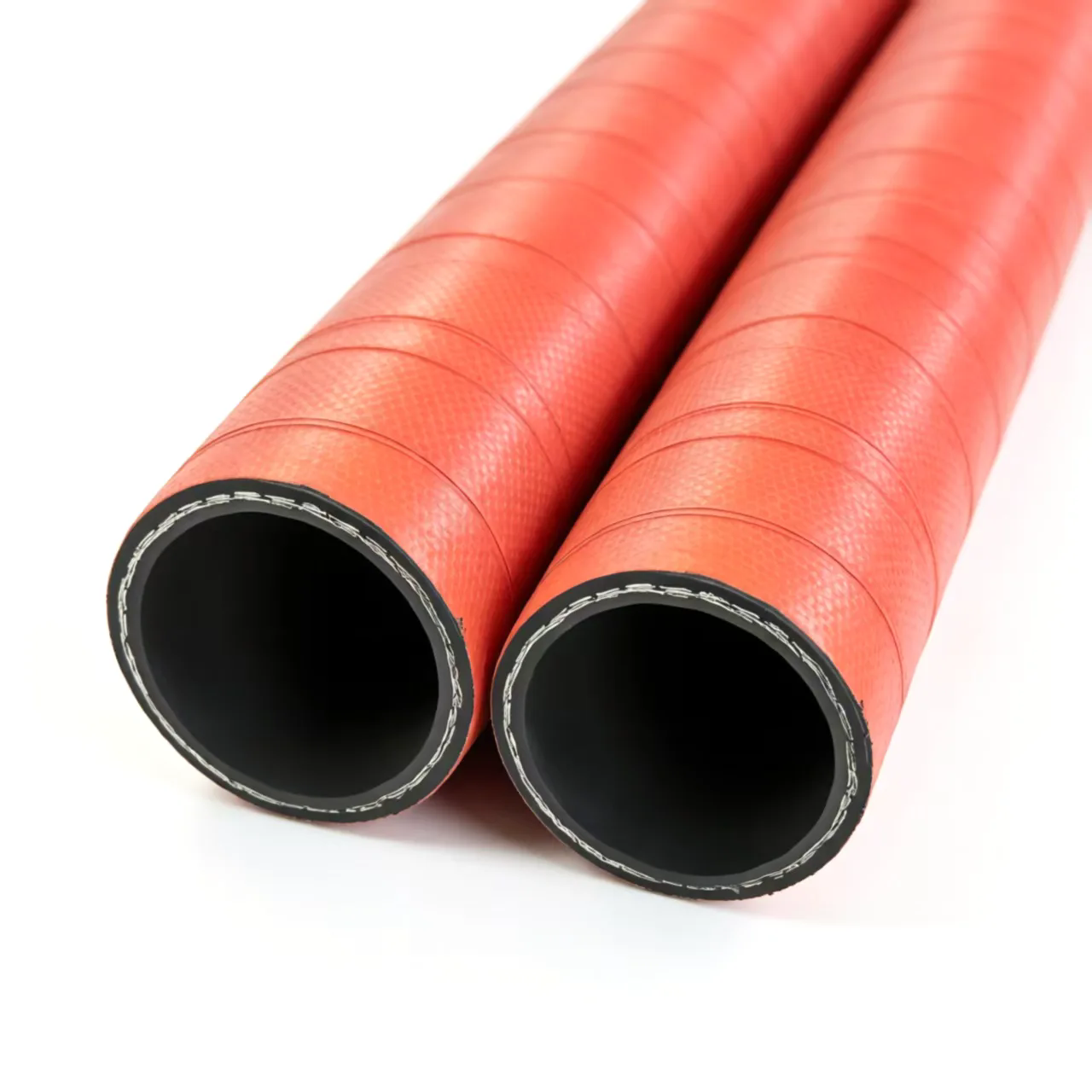
This article explains how industrial rubber hoses work, why proper selection matters, what factors influence performance, and how businesses can choose the right hose for different applications. Hengshui Zhehan Rubber & Plastic Products Co., Ltd. provides professional rubber hose solutions designed to meet various industrial requirements.
Table of Contents
- What Is an Industrial Rubber Hose?
- Why Is Industrial Rubber Hose Important for Modern Industries?
- How Is an Industrial Rubber Hose Constructed?
- Where Are Industrial Rubber Hoses Commonly Used?
- How to Choose the Right Industrial Rubber Hose?
- What Are the Main Advantages of Using Industrial Rubber Hose?
- How Can Businesses Extend Industrial Rubber Hose Service Life?
- Frequently Asked Questions
Article Outline
- Understanding the function and structure of industrial rubber hose
- Exploring industrial applications and customer challenges
- Learning how to select suitable hose materials and specifications
- Improving operational reliability through proper maintenance
- Choosing a professional rubber hose supplier for customized solutions
What Is an Industrial Rubber Hose?
An Industrial Rubber Hose is a flexible connection component used for transferring liquids, gases, powders, and other materials in industrial environments. Compared with rigid pipes, rubber hoses provide better flexibility, easier installation, vibration absorption, and adaptability to complex equipment layouts.
Industrial facilities often face challenges such as pressure fluctuations, harsh environments, and frequent equipment movement. A properly designed rubber hose helps solve these problems by providing stable transportation performance while reducing mechanical stress on connected systems.
Unlike ordinary household hoses, industrial rubber hoses are manufactured with specialized rubber compounds and reinforcement layers. They are engineered for demanding applications where durability and safety are essential.
Why Is Industrial Rubber Hose Important for Modern Industries?
Many industrial systems rely on continuous fluid or gas transfer. A hose failure can cause production interruptions, material waste, equipment damage, and safety concerns. Selecting a high-quality Industrial Rubber Hose helps companies maintain stable operations and reduce unexpected maintenance costs.
| Industrial Challenge | Possible Risk | How Rubber Hose Helps |
|---|---|---|
| High-pressure transportation | Leakage or sudden hose failure | Reinforced construction improves pressure resistance |
| Frequent equipment movement | Connection damage | Flexible design absorbs movement and vibration |
| Harsh outdoor environments | Aging and cracking | Protective outer layers improve weather resistance |
| Abrasive materials | Internal wear and reduced lifespan | Special rubber compounds improve abrasion resistance |
For industries that require continuous production, hose reliability directly affects efficiency. A suitable hose solution reduces maintenance frequency and supports safer working conditions.
How Is an Industrial Rubber Hose Constructed?
Understanding hose structure helps buyers make better purchasing decisions. Most industrial rubber hoses consist of three primary layers, and each layer has a specific function.
| Component | Main Function | Common Materials |
|---|---|---|
| Inner Tube | Direct contact with transported materials | NBR, EPDM, natural rubber, synthetic rubber |
| Reinforcement Layer | Provides pressure strength and structural support | Textile fiber, steel wire braid, spiral wire |
| Outer Cover | Protects against external damage | Weather-resistant and abrasion-resistant rubber compounds |
Inner Tube Performance
The inner tube determines whether the hose is suitable for a specific medium. For example, oil transfer applications require oil-resistant materials, while chemical transportation requires rubber compounds with proper chemical compatibility.
Using an incorrect inner tube material may lead to swelling, hardening, cracking, or contamination problems. Therefore, understanding the transported medium is the first step when selecting an Industrial Rubber Hose.
Reinforcement Layer Function
The reinforcement layer controls pressure capability and prevents deformation during operation. Industrial hoses working under high pressure usually require stronger reinforcement structures, such as steel wire braiding or spiral reinforcement.
A properly reinforced hose maintains stable performance even when exposed to pressure changes, bending forces, and continuous operation.
Where Are Industrial Rubber Hoses Commonly Used?
Industrial Rubber Hose products are widely used in manufacturing, construction, agriculture, mining, chemical processing, automotive production, and many other sectors. Different industries require different hose designs according to their operating conditions.
| Industry | Typical Applications | Recommended Hose Features |
|---|---|---|
| Manufacturing | Compressed air, cooling water, hydraulic systems | Flexible, durable, pressure-resistant |
| Construction | Concrete transfer, water supply, pneumatic tools | Abrasion resistance and strong reinforcement |
| Agriculture | Irrigation, spraying systems, fertilizer transfer | Weather resistance and flexibility |
| Chemical Industry | Chemical transfer and processing systems | Chemical compatibility and corrosion resistance |
| Mining | Slurry transportation and material handling | Heavy-duty structure and wear resistance |
In manufacturing environments, hoses support pneumatic tools, hydraulic equipment, and cooling systems. In construction projects, they help transport water, concrete, and compressed air under challenging conditions.
Mining and material handling operations require especially durable solutions because hoses may contact abrasive materials such as sand, minerals, and slurry. A properly engineered rubber hose helps minimize replacement frequency and improve operational stability.
How to Choose the Right Industrial Rubber Hose?
Selecting the correct Industrial Rubber Hose requires careful consideration of operating conditions, transported materials, pressure requirements, and environmental factors. Many hose problems occur because companies choose products based only on size or price without evaluating actual application requirements.
A suitable hose should match the complete working environment. Hengshui Zhehan Rubber & Plastic Products Co., Ltd. focuses on providing reliable rubber hose solutions that help customers achieve better performance, safety, and long-term value.
| Selection Factor | Important Questions | Why It Matters |
|---|---|---|
| Working Pressure | What maximum pressure will the hose experience? | Prevents bursting and improves operational safety |
| Temperature Range | What are the minimum and maximum temperatures? | Ensures rubber material remains stable |
| Medium Compatibility | What liquid, gas, or material passes through the hose? | Avoids chemical damage and material degradation |
| Application Environment | Will the hose face sunlight, oil, abrasion, or chemicals? | Determines suitable cover materials |
| Flexibility Requirements | Does the hose need frequent bending or movement? | Improves installation convenience and service life |
Consider Working Pressure and Safety Requirements
Pressure rating is one of the most important factors when selecting an industrial hose. A hose that cannot handle the actual working pressure may experience deformation, leakage, or unexpected failure.
Companies should consider not only normal operating pressure but also possible pressure surges during equipment startup and shutdown. Choosing a hose with an appropriate safety margin helps protect equipment and workers.
Evaluate Temperature Resistance
Industrial environments often involve extreme temperatures. Some applications expose hoses to hot fluids, steam, outdoor weather conditions, or cold environments. Rubber materials must maintain flexibility and strength under these conditions.
Temperature-resistant rubber hoses reduce problems such as hardening, cracking, and loss of elasticity, allowing equipment to operate more consistently.
Check Chemical and Material Compatibility
Different transported materials require different rubber formulations. For example, petroleum products, chemicals, water, and compressed air may require different hose structures.
Before selecting an Industrial Rubber Hose, businesses should confirm:
- The type of medium being transported
- The concentration level of chemicals if applicable
- The operating temperature of the medium
- The required cleaning or maintenance process
What Are the Main Advantages of Using Industrial Rubber Hose?
High-quality Industrial Rubber Hose products provide several advantages compared with traditional rigid connection methods. Their flexibility, durability, and adaptability make them essential components in modern industrial systems.
| Advantage | Description | Business Benefit |
|---|---|---|
| Excellent Flexibility | Allows installation in complex equipment layouts | Reduces installation difficulty and costs |
| Strong Durability | Resists wear, weather, and mechanical stress | Extends replacement intervals |
| Vibration Absorption | Reduces stress between connected equipment | Protects machinery components |
| Wide Application Range | Suitable for liquids, gases, and materials | Supports different industrial requirements |
| Easy Maintenance | Simple inspection and replacement process | Reduces equipment downtime |
Improved Equipment Protection
Industrial equipment often generates vibration and movement during operation. Rigid pipes may transfer excessive stress to connection points, while rubber hoses can absorb vibration and reduce mechanical strain.
This protection helps improve equipment reliability and reduces the risk of damage caused by constant movement.
Reduced Maintenance Costs
A durable rubber hose requires fewer replacements and repairs when properly selected and maintained. Businesses can reduce unexpected shutdowns and improve overall productivity.
Although initial product cost is an important consideration, long-term performance and reliability usually provide greater economic value.
How Can Businesses Extend Industrial Rubber Hose Service Life?
Even the highest-quality hose requires proper maintenance to achieve maximum service life. Regular inspection and correct usage can prevent many common failures.
- Inspect hoses regularly for cracks, swelling, leakage, and surface damage.
- Avoid exceeding the recommended working pressure.
- Prevent excessive bending or twisting during installation.
- Keep hoses away from unnecessary heat sources and sharp objects.
- Replace damaged hoses immediately to avoid safety risks.
- Store unused hoses in a clean and dry environment.
Common Causes of Industrial Rubber Hose Failure
| Failure Cause | Problem Description | Prevention Method |
|---|---|---|
| Overpressure | Internal structure becomes damaged | Select correct pressure rating |
| Incorrect Material Selection | Rubber reacts with transported medium | Confirm compatibility before purchase |
| Excessive Bending | Reinforcement layers become stressed | Follow proper bending radius requirements |
| Poor Storage | Rubber aging accelerates | Store away from sunlight and chemicals |
| Lack of Inspection | Small defects become major failures | Create regular maintenance schedules |
Frequently Asked Questions
What Is an Industrial Rubber Hose Used For?
An Industrial Rubber Hose is used for transporting liquids, gases, air, chemicals, and industrial materials in various applications. It is commonly found in manufacturing, construction, agriculture, mining, and processing industries.
How Long Does an Industrial Rubber Hose Usually Last?
The service life depends on material quality, working conditions, pressure level, temperature exposure, and maintenance practices. Proper selection and regular inspection can significantly extend hose performance.
Can Industrial Rubber Hose Be Customized?
Yes. Industrial rubber hoses can be customized according to diameter, length, pressure requirements, reinforcement type, material characteristics, and application conditions.
Why Should Businesses Choose Professional Rubber Hose Manufacturers?
Professional manufacturers understand industrial requirements and can provide suitable materials, structures, and production standards. This helps customers avoid performance issues caused by unsuitable hose selection.
What Makes Hengshui Zhehan Rubber & Plastic Products Co., Ltd. a Reliable Choice?
Hengshui Zhehan Rubber & Plastic Products Co., Ltd. specializes in rubber and plastic product solutions, offering industrial hose products designed for demanding applications. Through professional manufacturing capabilities and attention to product quality, the company helps customers achieve safer and more efficient industrial operations.
Conclusion
Industrial Rubber Hose plays an essential role in modern industrial systems by providing flexible, reliable, and efficient transportation solutions. From manufacturing plants to construction sites, the right hose selection can improve safety, reduce maintenance requirements, and support continuous operation.
Understanding pressure requirements, temperature conditions, material compatibility, and application environments allows businesses to select the most suitable hose solution. With professional support from Hengshui Zhehan Rubber & Plastic Products Co., Ltd., customers can obtain dependable products designed to meet different industrial challenges.
If you are looking for durable industrial hose solutions with reliable performance and professional service, please contact us today. Hengshui Zhehan Rubber & Plastic Products Co., Ltd. is ready to provide customized Industrial Rubber Hose solutions that meet your specific application requirements. Contact us now to discuss your industrial hose needs and discover the right solution for your business.