

How Can FRP Profiles Angle Steel Enhance Structural Applications?
2025-12-18
Summary: FRP Profiles Angle Steel offers versatile applications across industrial, construction, and infrastructure sectors. This article explores its key specifications, performance benefits, common usage questions, and professional insights on how FRP angle steel can optimize design and structural performance. Readers will gain a comprehensive understanding of material parameters, selection considerations, and practical implementation methods.
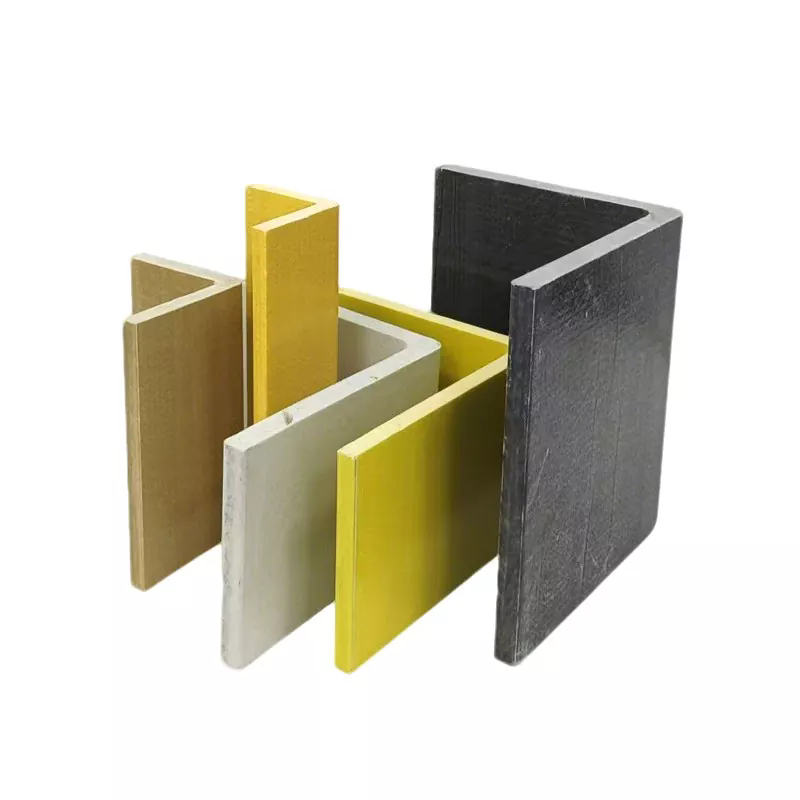
Table of Contents
- 1. Introduction to FRP Profiles Angle Steel
- 2. Detailed Product Specifications
- 3. How to Use FRP Angle Steel Effectively in Construction
- 4. Common Questions About FRP Profiles Angle Steel
- 5. Industry Insights and Contact Information
1. Introduction to FRP Profiles Angle Steel
Fiberglass Reinforced Plastic (FRP) Profiles Angle Steel is a high-performance composite material designed to combine strength, durability, and corrosion resistance. Unlike traditional steel, FRP angle steel is lightweight yet maintains high tensile strength, making it ideal for harsh environments such as chemical plants, marine applications, and outdoor infrastructure.
The primary focus of this article is to explore how FRP Profiles Angle Steel can improve structural performance, longevity, and maintenance efficiency. It provides detailed product parameters, practical usage guidance, and answers to frequently asked questions from engineering professionals.
2. Detailed Product Specifications
FRP Profiles Angle Steel is available in a variety of sizes and shapes to accommodate diverse engineering and construction needs. Below is a comprehensive table of standard specifications:
| Parameter | Specification | Unit | Description |
|---|---|---|---|
| Material Composition | Fiberglass reinforced polyester | - | High strength polymer matrix reinforced with continuous fiberglass |
| Angle Dimensions | 20x20 to 150x150 | mm | Standard L-shaped angles for structural support |
| Wall Thickness | 3–15 | mm | Varies based on load and application requirements |
| Tensile Strength | 600–1200 | MPa | Ensures high load-bearing capacity |
| Flexural Strength | 400–1000 | MPa | Resists bending under mechanical stress |
| Impact Resistance | High | - | Withstands mechanical shocks without cracking |
| Corrosion Resistance | Excellent | - | Suitable for chemical and marine environments |
| Temperature Range | -40 to 120 | °C | Maintains structural integrity across extreme temperatures |
| Weight | 0.8–1.2 | kg/m | Lightweight, reducing load on supporting structures |
3. How to Use FRP Angle Steel Effectively in Construction
Implementing FRP Profiles Angle Steel requires understanding of load distribution, environmental exposure, and proper installation techniques. Here are the key considerations:
How to Select the Right FRP Angle Steel for a Project?
Selection depends on load requirements, exposure conditions, and structural design. High tensile strength profiles are recommended for heavy load-bearing frameworks, while thinner profiles are suitable for lighter panels and protective structures.
How to Install FRP Angle Steel Safely and Securely?
Installation involves aligning angles accurately, securing with compatible fasteners, and ensuring proper anchoring to prevent slippage. Adhesives or mechanical anchors may be used depending on the application. It is essential to follow engineering guidelines for load distribution and spacing.
How to Maintain FRP Profiles for Long-Term Performance?
FRP Angle Steel is low-maintenance but requires periodic inspection for surface damage, UV exposure, and connection integrity. Cleaning with mild detergent and water prevents accumulation of corrosive substances and extends the lifespan.
How to Combine FRP Angle Steel with Other Structural Materials?
FRP Profiles are often combined with concrete, steel, or aluminum frameworks. Proper isolation of dissimilar materials is necessary to prevent galvanic corrosion and maintain structural performance. Design must accommodate differential thermal expansion.
4. Common Questions About FRP Profiles Angle Steel
Q1: Can FRP Angle Steel Replace Traditional Steel in Outdoor Structures?
A1: Yes. FRP Profiles Angle Steel offers comparable tensile and flexural strength while being lighter and corrosion-resistant. It is particularly advantageous in marine, chemical, or outdoor settings where traditional steel requires frequent maintenance.
Q2: How Does Temperature Affect FRP Angle Steel Performance?
A2: FRP Angle Steel maintains structural integrity within a temperature range of -40°C to 120°C. Extreme temperatures beyond this range may slightly affect flexibility and tensile strength, so temperature exposure must be considered during design.
5. Industry Insights and Contact Information
FRP Profiles Angle Steel continues to gain popularity in infrastructure, construction, and industrial projects due to its lightweight properties, corrosion resistance, and long-term durability. Advancements in composite technology are further enhancing performance and expanding application possibilities.
Jiangsu Ousheng Fiberglass Reinforced Plastic Manufacturing Co., Ltd offers a complete range of FRP Profiles Angle Steel, providing customized solutions to meet engineering specifications. For detailed inquiries or project consultations, contact the company directly to ensure tailored product selection and technical guidance.
Contact us: Reach out via official company channels for quotes, technical data sheets, and application guidance.