

How Can Food Packaging Bags Improve Food Safety, Shelf Life, and Brand Value?
2026-06-15
Modern consumers expect food products to remain fresh, safe, attractive, and convenient from production to consumption. Choosing the right Food Packaging Bags is no longer a simple purchasing decision—it directly impacts product quality, transportation efficiency, customer satisfaction, and market competitiveness.
Businesses often face challenges such as moisture damage, oxygen exposure, contamination risks, short shelf life, and weak shelf appeal. By selecting suitable food packaging solutions, companies can reduce product loss, strengthen brand identity, and improve operational efficiency.
As a professional manufacturer, Nanyang Jinde Packaging Co., LTD provides customized food packaging bag solutions designed to meet diverse industry requirements while ensuring durability, safety, and excellent visual presentation.
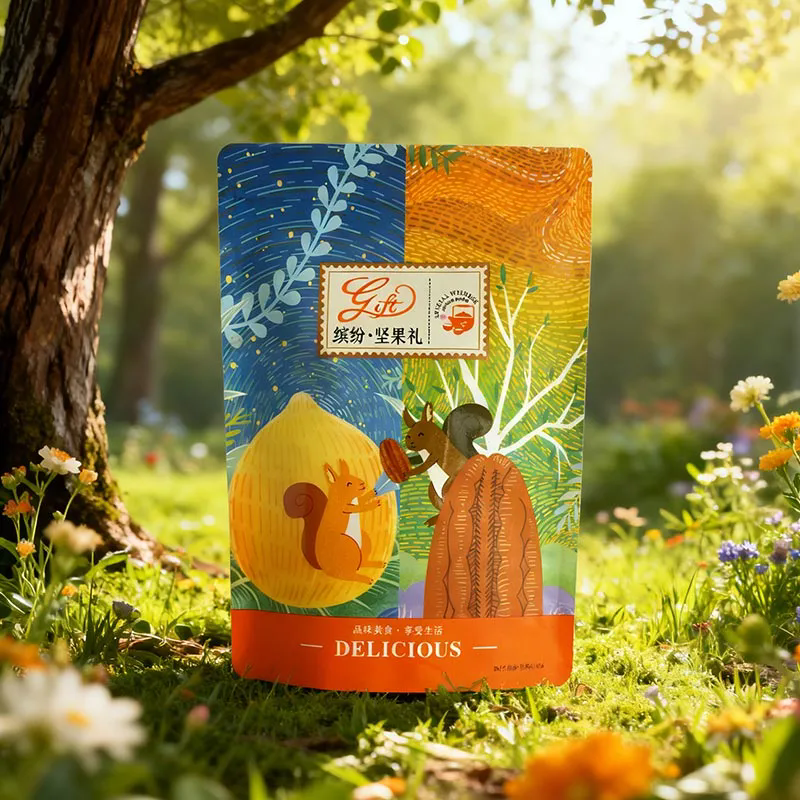
Table of Contents
- 1. Why Are Food Packaging Bags So Important?
- 2. What Problems Do Businesses Face Without Proper Packaging?
- 3. What Types of Food Packaging Bags Are Available?
- 4. How Do Food Packaging Bags Extend Shelf Life?
- 5. How Do They Protect Food During Transportation?
- 6. How Can Packaging Improve Brand Recognition?
- 7. What Materials Are Commonly Used?
- 8. How Should You Choose the Right Food Packaging Bag?
- 9. Why Choose Nanyang Jinde Packaging Co., LTD?
- 10. Frequently Asked Questions
1. Why Are Food Packaging Bags So Important?
Food packaging bags serve as a protective barrier between food products and external environmental factors. They preserve freshness, maintain hygiene standards, and create a positive consumer experience.
Quality packaging performs several critical functions:
- Prevents moisture penetration
- Blocks oxygen exposure
- Reduces contamination risks
- Protects against physical damage
- Maintains product flavor and aroma
- Provides essential product information
- Enhances product appearance
Without proper packaging, even high-quality food products can quickly lose their value before reaching consumers.
2. What Problems Do Businesses Face Without Proper Packaging?
Many food manufacturers encounter significant operational challenges.
| Problem | Impact |
|---|---|
| Moisture Exposure | Food becomes soft, stale, or spoiled. |
| Oxygen Penetration | Accelerates oxidation and reduces shelf life. |
| Poor Sealing | Causes contamination and leakage. |
| Weak Packaging Strength | Products become damaged during shipping. |
| Unattractive Design | Lower customer engagement. |
| Insufficient Information | Creates consumer confusion. |
Investing in high-quality packaging significantly reduces these risks.
3. What Types of Food Packaging Bags Are Available?
Different foods require different packaging structures.
| Packaging Type | Applications | Main Advantages |
|---|---|---|
| Stand-Up Pouches | Snacks, coffee, dried fruits | Excellent display effect |
| Flat Bottom Bags | Tea, pet food, grains | Large storage capacity |
| Three-Side Seal Bags | Powders, spices, seasonings | Cost-effective |
| Vacuum Bags | Meat, seafood, cheese | Longer shelf life |
| Zipper Bags | Nuts, candies, snacks | Reusable convenience |
| Spout Pouches | Juices, sauces, baby food | Easy pouring |
4. How Do Food Packaging Bags Extend Shelf Life?
Food deterioration primarily occurs because of exposure to oxygen, moisture, bacteria, ultraviolet light, and temperature fluctuations.
Advanced packaging technology can minimize these factors through multiple barrier layers.
Effective packaging systems help by:
- Reducing oxygen transmission
- Controlling moisture levels
- Blocking harmful UV rays
- Preventing microbial contamination
- Preserving flavor compounds
- Maintaining nutritional value
Longer shelf life means lower waste, reduced costs, and improved profitability.
5. How Do They Protect Food During Transportation?
Global supply chains require packaging that can withstand multiple handling stages.
High-performance food packaging bags provide:
- Tear resistance
- Puncture resistance
- Strong sealing performance
- Temperature adaptability
- Compression resistance
- Leak-proof protection
Reliable packaging ensures products arrive in excellent condition regardless of transportation distance.
6. How Can Packaging Improve Brand Recognition?
Packaging is often the first interaction consumers have with a brand.
Strong visual design can influence purchasing decisions through:
- Premium graphics
- High-definition printing
- Unique shapes
- Professional color schemes
- Clear product information
- Transparent windows
- Customized logos
Consumers frequently associate attractive packaging with superior product quality.
A memorable package can increase repeat purchases and customer loyalty.
7. What Materials Are Commonly Used?
Material selection determines overall packaging performance.
| Material | Characteristics | Suitable Products |
|---|---|---|
| PET | High transparency and strength | Snacks and dried foods |
| PE | Excellent sealing capability | Frozen foods |
| NY | Superior puncture resistance | Meat products |
| AL Foil | Excellent barrier performance | Coffee and tea |
| BOPP | Glossy surface | Confectionery products |
Manufacturers often combine multiple materials to maximize overall performance.
8. How Should You Choose the Right Food Packaging Bag?
Consider these important factors before making a decision.
- Identify food characteristics.
- Determine shelf-life requirements.
- Evaluate transportation conditions.
- Consider storage environments.
- Assess consumer convenience needs.
- Determine branding objectives.
- Select appropriate barrier properties.
- Ensure compliance with food safety regulations.
A customized solution often delivers better long-term performance than standard packaging options.
9. Why Choose Nanyang Jinde Packaging Co., LTD?
Nanyang Jinde Packaging Co., LTD specializes in providing comprehensive food packaging solutions for global customers.
The company offers:
- Customized packaging sizes
- Advanced printing technology
- Multiple material combinations
- High-barrier structures
- Strict quality control processes
- Professional technical support
- Flexible production capabilities
- Competitive manufacturing efficiency
Whether you manufacture coffee, snacks, frozen foods, pet food, candies, seasonings, tea, or dried fruits, customized solutions can be developed according to your requirements.
Professional packaging not only protects products but also elevates brand competitiveness in increasingly demanding markets.
10. Frequently Asked Questions
Q1: Which packaging bag is best for snacks?
Stand-up pouches with zipper closures are commonly preferred because they offer excellent shelf presentation and consumer convenience.
Q2: Can food packaging bags extend shelf life?
Yes. High-barrier materials significantly reduce oxygen and moisture penetration, helping preserve freshness.
Q3: Are customized designs available?
Yes. Customized sizes, printing, shapes, and functional features can be developed according to brand requirements.
Q4: Which foods require vacuum packaging?
Meat, seafood, cheese, and some processed foods benefit greatly from vacuum packaging.
Q5: Why is barrier performance important?
Barrier performance directly affects freshness, taste, aroma preservation, and overall shelf life.
Q6: Can packaging improve customer purchasing decisions?
Absolutely. Attractive and functional packaging often increases consumer confidence and brand recognition.
Looking for a Reliable Food Packaging Partner?
If you want to improve food safety, extend shelf life, reduce transportation losses, and build stronger brand visibility, Nanyang Jinde Packaging Co., LTD can provide customized food packaging bag solutions tailored to your business needs.
From material selection to printing and production, our professional team is ready to help you create packaging that delivers both protection and market appeal.
Contact us today to discuss your project requirements and discover how our customized food packaging bags can help your products stand out in competitive global markets.