

How Can Fiberglass Brick Machine Pallets Improve Brick Production Efficiency?
2026-06-12
The performance of a brick production line depends on more than just the brick machine itself. One often-overlooked component is the pallet that supports freshly formed bricks during molding, vibration, transportation, and curing. Traditional wooden, bamboo, and steel pallets can create challenges such as warping, moisture damage, cracking, excessive weight, and high maintenance costs.
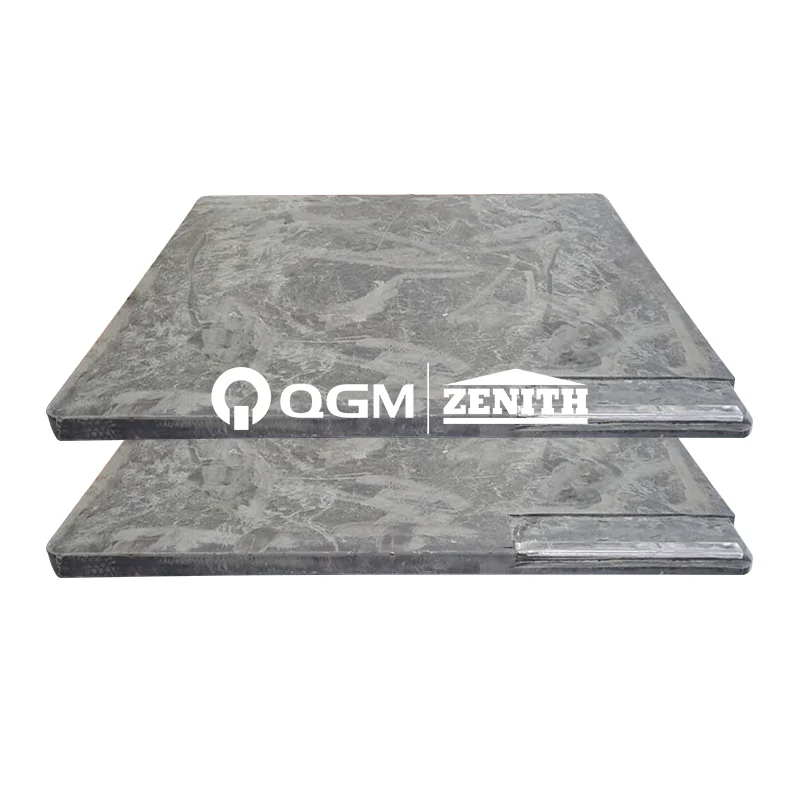
Fiberglass Brick Machine Pallets have emerged as a reliable alternative for modern brick manufacturers seeking durability, dimensional stability, and long-term cost savings. Designed to withstand harsh production environments, these pallets help improve product quality while reducing downtime and replacement frequency.
In this article, we will explore how Fiberglass Brick Machine Pallets work, their advantages, applications, and how manufacturers such as QGM provide customized solutions, including special boat-shaped pallet designs to meet unique production requirements.
Article Summary
Fiberglass Brick Machine Pallets offer superior strength, moisture resistance, wear resistance, and dimensional stability compared to traditional pallet materials. Their long service life and compatibility with various block-making machines make them an ideal choice for manufacturers seeking consistent product quality and lower operating costs. Customization options, including boat-shaped designs, further enhance production flexibility.
Table of Contents
- Understanding Fiberglass Brick Machine Pallets
- Why Pallet Quality Matters in Brick Manufacturing
- Key Advantages of Fiberglass Brick Machine Pallets
- Material Comparison Table
- Applications in Modern Brick Plants
- Customization and Boat-Shaped Design Support
- How to Choose the Right Pallet
- Maintenance Best Practices
- Long-Term Investment Benefits
- Frequently Asked Questions
Understanding Fiberglass Brick Machine Pallets
A Fiberglass Brick Machine Pallet is a high-performance support board used in concrete block, paver, hollow block, and fly ash brick production lines. It serves as the platform on which freshly molded products are formed and transported through various stages of production.
Manufactured using fiberglass-reinforced composite materials, these pallets combine high mechanical strength with excellent resistance to moisture, corrosion, and abrasion. Unlike wooden pallets that absorb water or steel pallets that may corrode over time, fiberglass pallets maintain their structural integrity under demanding production conditions.
Their engineered construction ensures consistent thickness, flatness, and vibration performance, helping manufacturers achieve higher-quality finished products.
Why Pallet Quality Matters in Brick Manufacturing
Many production issues originate from poor-quality pallets. Since pallets directly support the molding process, any deformation or instability can negatively affect product dimensions and surface quality.
Common problems associated with inferior pallets include:
- Uneven brick dimensions
- Surface cracks and defects
- Reduced vibration efficiency
- Machine downtime
- Frequent pallet replacement
- Higher maintenance expenses
- Material waste
Using high-quality fiberglass pallets minimizes these risks while ensuring smooth production cycles and consistent product output.
Key Advantages of Fiberglass Brick Machine Pallets
Exceptional Strength and Load Capacity
Fiberglass composite structures provide outstanding mechanical strength while maintaining relatively low weight. This allows the pallet to withstand continuous vibration, heavy loads, and repeated impact during production.
Superior Moisture Resistance
Unlike wood and bamboo pallets, fiberglass materials do not absorb water. This prevents swelling, deformation, mold growth, and structural deterioration caused by humid environments.
Excellent Wear Resistance
Concrete products and machine vibration create significant surface friction. Fiberglass pallets are engineered to resist abrasion, helping maintain flat surfaces over extended periods.
Dimensional Stability
Consistent pallet dimensions are critical for producing uniform bricks and blocks. Fiberglass pallets maintain their shape even under temperature fluctuations and long-term mechanical stress.
Long Service Life
The durability of fiberglass materials significantly reduces replacement frequency, resulting in lower operational costs over time.
Reduced Maintenance Requirements
Because fiberglass pallets resist moisture, corrosion, and cracking, maintenance needs are greatly reduced compared with traditional pallet materials.
Material Comparison Table
| Feature | Fiberglass Pallet | Wooden Pallet | Bamboo Pallet | Steel Pallet |
|---|---|---|---|---|
| Moisture Resistance | Excellent | Poor | Moderate | Excellent |
| Wear Resistance | Excellent | Moderate | Moderate | Good |
| Corrosion Resistance | Excellent | Good | Good | Poor |
| Dimensional Stability | Excellent | Fair | Fair | Good |
| Maintenance Cost | Low | High | Medium | Medium |
| Expected Service Life | Very Long | Short | Medium | Long |
Applications in Modern Brick Plants
Fiberglass Brick Machine Pallets are widely used across multiple production sectors:
- Concrete block manufacturing
- Fly ash brick production
- Paver block manufacturing
- Interlocking brick production
- Hollow block production
- Curb stone manufacturing
- Landscape brick production
Their versatility allows them to be integrated into both automatic and semi-automatic block-making systems.
Many manufacturers operating high-capacity production lines choose fiberglass pallets because they can maintain stable performance even under continuous 24-hour production schedules.
Customization and Boat-Shaped Design Support
Every brick factory has unique production requirements. Standard pallet dimensions may not always provide the optimal solution for specific machine models or specialized products.
QGM offers extensive customization capabilities to ensure compatibility with various production systems. Customers can specify:
- Length and width dimensions
- Thickness requirements
- Load-bearing capacity
- Surface finish options
- Reinforcement structures
- Special application designs
Support for Boat-Shaped Customization
One of the most significant advantages offered by QGM is support for boat-shaped customized pallet designs. Boat-shaped pallets are developed for specialized production environments where enhanced structural performance, product positioning, or machine compatibility is required.
Compared with conventional flat pallets, boat-shaped configurations can provide unique operational benefits for certain production processes. QGM's engineering team works closely with customers to evaluate production requirements and develop tailored solutions that maximize efficiency and durability.
This customization capability helps manufacturers address complex operational challenges while maintaining production consistency.
How to Choose the Right Pallet
When selecting a Fiberglass Brick Machine Pallet, consider the following factors:
- Machine model compatibility
- Production volume requirements
- Maximum load capacity
- Operating environment conditions
- Desired service life
- Customization requirements
- Budget considerations
Working with an experienced supplier helps ensure the pallet specifications match production demands and deliver the best return on investment.
Maintenance Best Practices
Although fiberglass pallets require less maintenance than traditional alternatives, proper care can further extend their service life.
- Clean pallet surfaces regularly
- Avoid excessive impact during handling
- Inspect for abnormal wear patterns
- Store pallets on flat surfaces
- Follow machine manufacturer's operational guidelines
- Rotate pallets periodically when possible
These simple practices help maximize performance and longevity.
Long-Term Investment Benefits
While fiberglass pallets may have a higher initial purchase cost than some traditional alternatives, their long-term value often results in significant savings.
Benefits include:
- Lower replacement frequency
- Reduced downtime
- Improved product consistency
- Less maintenance expenditure
- Higher production efficiency
- Better machine performance
- Enhanced operational reliability
For manufacturers focused on productivity and operational stability, fiberglass pallets represent a strategic investment rather than a simple consumable component.
Frequently Asked Questions
What is the primary advantage of a Fiberglass Brick Machine Pallet?
Its combination of high strength, moisture resistance, wear resistance, and long service life helps reduce operating costs and improve production consistency.
Can fiberglass pallets replace wooden pallets directly?
Yes. In most cases, fiberglass pallets can directly replace wooden pallets while providing significantly better durability and dimensional stability.
Are customized pallet sizes available?
Yes. QGM can manufacture pallets according to specific machine dimensions and production requirements.
Do you support boat-shaped pallet customization?
Yes. QGM specializes in customized solutions and offers boat-shaped pallet designs tailored to unique production applications and equipment configurations.
How long do fiberglass pallets typically last?
Service life depends on operating conditions, production intensity, and maintenance practices, but fiberglass pallets generally last substantially longer than wooden or bamboo alternatives.
Conclusion
Fiberglass Brick Machine Pallets have become an essential component in modern brick and block manufacturing. Their superior strength, dimensional stability, moisture resistance, and long service life help manufacturers improve efficiency while reducing maintenance and replacement costs.
For companies seeking reliable pallet solutions, QGM provides high-quality fiberglass pallets engineered for demanding industrial applications. In addition to standard specifications, QGM offers comprehensive customization services, including advanced boat-shaped pallet designs that address specialized production requirements.
Ready to improve your brick production efficiency and reduce long-term operating costs? Contact us today to discuss your project requirements and discover how QGM's customized Fiberglass Brick Machine Pallet solutions can support your production goals.