

How Can CPLA Soup Bowl Lid Improve Sustainable Food Packaging?
2026-06-04
Abstract
As the global food service industry shifts toward environmentally responsible packaging, CPLA (Crystallized Polylactic Acid) soup bowl lids have emerged as a practical alternative to conventional plastic lids. This article explores how CPLA soup bowl lids address key challenges in hot food delivery, takeaway safety, leak resistance, and compostability. It provides a structured breakdown of their material properties, benefits, applications, and selection criteria, helping food businesses make informed packaging decisions that align with both operational efficiency and environmental responsibility.
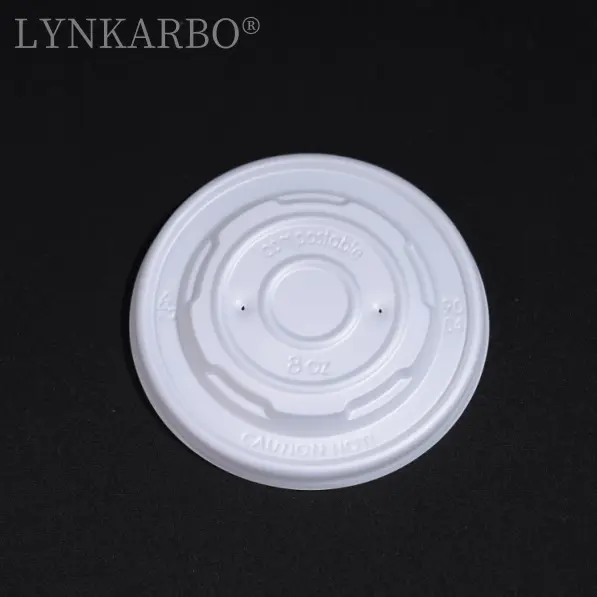
Table of Contents
- Outline
- Introduction
- What is a CPLA Soup Bowl Lid?
- Key Features of CPLA Soup Bowl Lids
- Benefits for Food Service Businesses
- Applications in Real-World Scenarios
- CPLA vs Traditional Plastic Lids
- How to Choose the Right CPLA Soup Bowl Lid
- Sustainability and Environmental Impact
- FAQ
- Conclusion
Outline
- Overview of CPLA material technology and production process
- Functional advantages for hot and cold soup packaging
- Leak resistance, heat tolerance, and sealing performance
- Environmental benefits compared to petroleum-based plastics
- Industry use cases including restaurants, cloud kitchens, and catering
- Key selection factors for procurement teams
- Future trends in compostable food packaging
Introduction
The demand for safe, durable, and eco-conscious food packaging has grown rapidly due to rising delivery services and increasing environmental awareness. Among various innovations, CPLA soup bowl lids stand out as a reliable solution for hot soup containers. Unlike conventional plastic lids, CPLA lids are designed to withstand higher temperatures while remaining industrially compostable under controlled conditions.
Food businesses today face a dual challenge: maintaining food quality during transport and reducing environmental impact. CPLA soup bowl lids bridge this gap by combining performance with sustainability.
What is a CPLA Soup Bowl Lid?
CPLA (Crystallized Polylactic Acid) is a modified form of PLA derived from renewable resources such as corn starch or sugarcane. Through a crystallization process, the material gains improved heat resistance and structural rigidity, making it suitable for hot food applications like soups, noodles, and stews.
A CPLA soup bowl lid is specifically engineered to fit compostable soup bowls, providing a tight seal that prevents leakage and preserves food temperature during transport.
Key Features of CPLA Soup Bowl Lids
- Heat Resistance: Can typically withstand temperatures up to 90–100°C.
- Secure Fit: Designed for tight sealing to minimize spills during delivery.
- Compostable Material: Breaks down under industrial composting conditions.
- Lightweight Structure: Reduces transportation cost and carbon footprint.
- Food Safety: Free from harmful petroleum-based chemicals like BPA.
Benefits for Food Service Businesses
CPLA soup bowl lids offer operational and branding advantages for restaurants, cafés, and takeaway services. Key benefits include:
- Reduced leakage complaints from customers
- Improved brand perception through sustainable packaging choices
- Compatibility with a wide range of compostable bowls
- Enhanced food temperature retention during delivery
- Regulatory compliance in regions restricting single-use plastics
By adopting CPLA lids, businesses can also strengthen customer loyalty, as consumers increasingly prefer environmentally responsible packaging.
Applications in Real-World Scenarios
CPLA soup bowl lids are widely used across multiple food service environments:
- Quick-Service Restaurants: For takeaway soups and broths
- Cloud Kitchens: High-volume delivery packaging
- Catering Services: Large-scale event food distribution
- Health Food Brands: Organic and eco-focused meal packaging
- Cafés and Delis: Seasonal soups and hot meal containers
CPLA vs Traditional Plastic Lids
| Feature | CPLA Soup Bowl Lid | Traditional Plastic Lid |
|---|---|---|
| Material Source | Renewable plant-based resources | Petroleum-based plastics |
| Heat Resistance | High (suitable for hot soups) | Moderate to high depending on type |
| Environmental Impact | Industrial compostable | Non-compostable, long degradation time |
| Food Safety | No BPA or toxic additives | May contain additives depending on grade |
| Brand Perception | Eco-friendly image | Conventional packaging |
How to Choose the Right CPLA Soup Bowl Lid
Selecting the correct CPLA lid involves more than matching size. Businesses should evaluate:
- Diameter Compatibility: Ensure a precise fit with bowl rims
- Heat Requirements: Verify suitability for intended food temperature
- Sealing Strength: Test leak resistance under transport conditions
- Certification: Confirm compostability standards compliance
- Supply Stability: Ensure consistent bulk availability for operations
Proper selection ensures operational efficiency and minimizes packaging-related complaints.
Sustainability and Environmental Impact
One of the most significant advantages of CPLA soup bowl lids is their reduced environmental footprint. Unlike conventional plastics, which can persist for hundreds of years, CPLA materials are designed to break down in industrial composting facilities, returning to natural components under controlled conditions.
This contributes to reduced landfill waste and supports circular economy initiatives. For food service operators, adopting compostable packaging is not only an environmental decision but also a strategic business move aligned with evolving regulations and consumer expectations.
FAQ
1. Are CPLA soup bowl lids microwave safe?
They are generally heat resistant but not recommended for direct microwave use unless specified by the manufacturer.
2. Can CPLA lids handle boiling hot soup?
Yes, they are designed to withstand high temperatures typically used in soups and hot liquids.
3. Are they home compostable?
Most require industrial composting facilities for proper breakdown.
4. Do CPLA lids fit all soup bowls?
No, they must be matched with compatible bowl sizes for a secure seal.
5. Are they more expensive than plastic lids?
They can be slightly higher in cost, but offer long-term value through sustainability and brand positioning.
Conclusion
CPLA soup bowl lids represent a significant advancement in sustainable food packaging, offering a practical balance between performance and environmental responsibility. Their heat resistance, secure sealing capability, and compostable nature make them an ideal choice for modern food service operations seeking to reduce their ecological impact while maintaining high service standards.
Businesses adopting this packaging solution not only improve operational reliability but also strengthen their commitment to sustainability in the eyes of consumers.
For high-quality CPLA soup bowl lid solutions and customized packaging support, LYNKARBO® provides professional-grade options tailored to food service needs. If you are looking to upgrade your packaging system, LYNKARBO® – contact us today to explore your ideal solution.