

Article Summary: Choosing the right eyeglasses involves more than appearance. Material quality, frame dimensions, comfort, durability, lens compatibility, and long-term maintenance all affect the wearing experience. Acetate optical frames are widely appreciated for their rich colors, layered patterns, versatile shapes, and refined finishes. This guide explains how acetate frames are manufactured, what makes them different from other eyewear materials, how to evaluate frame quality, and how to select a suitable design for daily use. It also covers fitting considerations, practical care tips, common purchasing mistakes, and sourcing advice for optical retailers and eyewear brands. With a better understanding of these factors, buyers can make informed decisions that balance appearance, functionality, and value.
Who is this guide for? Eyewear consumers, optical retailers, wholesalers, distributors, purchasing managers, and brands interested in acetate optical frames.
1. What Are Acetate Optical Frames?
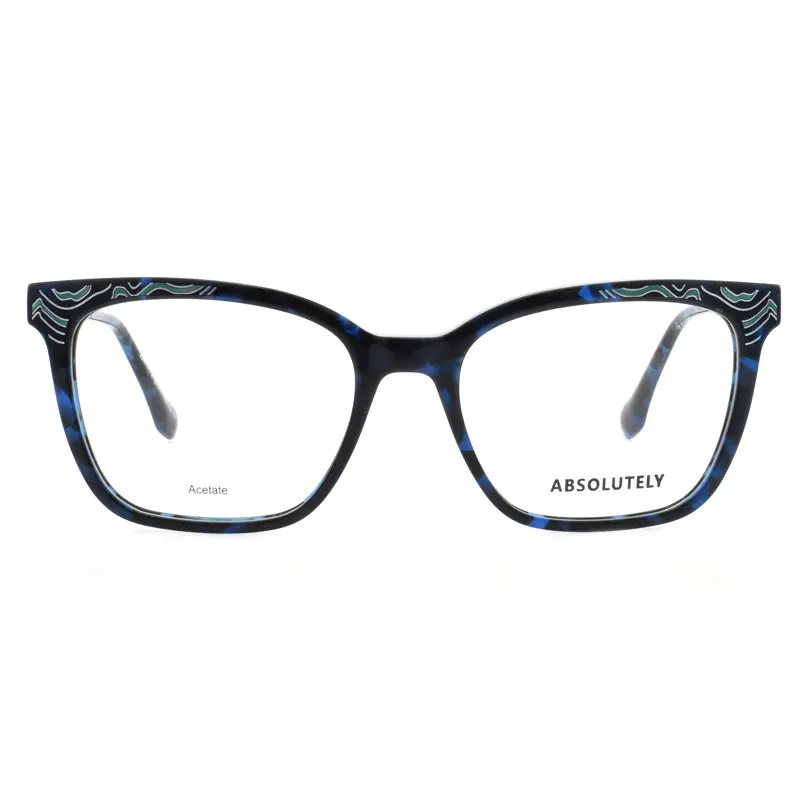
Acetate optical frames are eyeglass frames made from cellulose acetate, a processed material derived from cellulose that can originate from plant-based sources such as wood pulp or cotton linters. Through controlled processing, cellulose becomes a versatile material suitable for creating eyewear components with different colors, thicknesses, patterns, and finishes.
Unlike some conventional molded plastic frames, acetate frames are often recognized for their visual depth and distinctive surface patterns. Depending on the manufacturing process, they can feature solid colors, transparent finishes, tortoiseshell effects, marble-like textures, and combinations of contrasting shades.
Acetate is also suitable for many different frame silhouettes. Rectangular optical frames can create a clean, professional appearance, while rounded shapes offer softer lines. Oversized designs and bold patterns provide more expressive styling for customers who want their glasses to become part of their personal image.
Why Material Quality Matters
Not every acetate frame delivers the same experience. Differences in material formulation, sheet quality, machining accuracy, hinge construction, polishing, and final inspection can affect the finished product.
For example, poorly finished edges may feel uncomfortable against the skin, while inconsistent hinge installation can affect how securely the temples open and close. Uneven frame geometry can also create fitting problems that require additional adjustment.
2. Why Choose Acetate for Eyewear?
Acetate remains a popular option because it gives designers considerable freedom while offering practical characteristics for everyday eyewear. Its suitability depends on the specific frame design and material grade, but several advantages make it attractive to consumers and commercial buyers.
Rich Colors and Patterns
Acetate can feature deep solid shades, transparent colors, layered patterns, and classic tortoiseshell-inspired effects.
Versatile Design Options
The material supports many silhouettes, thicknesses, and finishes, making it useful for both classic and contemporary collections.
Comfortable Surface
Well-finished acetate provides a smooth feel. Actual wearing comfort still depends on frame weight, fit, and correct adjustment.
Professional Adjustability
Many acetate frames can be carefully adjusted by a qualified optician using techniques appropriate for the material.
Refined Appearance
Careful cutting and polishing can create smooth edges and a visually consistent finish that complements the frame design.
Broad Market Appeal
Acetate designs can serve customers looking for understated professional eyewear, vintage-inspired styles, or bold fashion statements.
Color and Texture Influence Purchasing Decisions
Color is often the first feature customers notice when browsing optical frames. Black and dark brown can offer a classic appearance, while transparent gray, warm amber, and patterned acetate can create a lighter or more distinctive visual effect.
Layered acetate patterns are particularly interesting because the color may extend through the material rather than appearing only as a surface coating. The final look depends on how the material is produced, cut, and finished.
For retailers, offering a thoughtful range of colors can help serve different customer preferences without relying on frame shape alone. For individual buyers, selecting a color that works with everyday clothing and professional settings can make the glasses easier to wear regularly.
Are Acetate Frames Always Lightweight?
No. Thick fronts, large lenses, and oversized temples can increase the total weight. A slim acetate design may feel different from a bold, substantial frame made from the same general material. Buyers should consider the complete frame rather than assuming that material type alone determines comfort.
3. How Acetate Frames Are Manufactured
Understanding the manufacturing process helps buyers recognize why craftsmanship matters. Production methods vary by manufacturer and design, but common stages include material preparation, cutting, shaping, assembly, polishing, and inspection.
Material Preparation and Color Development
Acetate sheets are prepared in selected colors, patterns, and thicknesses. For laminated designs, layers of differently colored acetate can be bonded under controlled conditions to create distinctive visual effects. Material preparation influences the appearance and consistency of the finished frame.
Cutting and Shaping
Frame fronts and temples are cut or machined according to the design specifications. Accurate dimensions are important because the lens openings, bridge, and temples must work together to provide an appropriate fit.
Forming and Assembly
Selected components may be shaped using controlled heat and specialized tools. Hinges and other hardware are then installed according to the frame design. Assembly accuracy affects temple movement, alignment, and the overall feel of the product.
Polishing and Final Inspection
Edges and surfaces are refined to achieve the intended finish. The finished frame should be inspected for visible defects, alignment, dimensions, hinge function, and consistency with the approved product specification.
These steps are especially relevant for businesses purchasing frames in volume. An attractive sample is a useful starting point, but consistent manufacturing and documented quality checks are also important when evaluating repeat orders.
4. Acetate Compared with Other Optical Frame Materials
Acetate is a strong choice for many eyewear designs, but it is not necessarily the best option for every wearer. Comparing materials can help buyers understand the trade-offs between appearance, weight, flexibility, and intended use.
| Material | Typical Strengths | Considerations | Common Applications |
|---|---|---|---|
| Cellulose acetate | Rich colors, layered patterns, varied silhouettes, and polished finishes. | Thicker designs may feel heavier; excessive heat and certain chemicals can cause damage. | Fashion eyewear, classic frames, and everyday optical glasses. |
| Metal | Slim profiles, fine details, and a broad selection of finishes. | Comfort and durability depend on alloy, coatings, joints, and construction. | Minimalist, professional, and lightweight designs. |
| TR90 and similar polymers | Can offer lightweight construction and flexibility, depending on the formulation. | Visual texture and surface appearance differ from many acetate designs. | Casual, active, and practical everyday eyewear. |
| Ultem | Often used for lightweight frames with a slim, modern appearance. | Design feel, flexibility, and finish depend on the particular product. | Lightweight everyday and contemporary optical frames. |
These are general comparisons. Product quality varies within every material category, and the construction of an individual frame can matter as much as the material itself.
When Is Acetate a Suitable Choice?
- When distinctive colors and patterns are important.
- When the desired style includes a defined or substantial frame profile.
- When a collection needs a variety of shapes and finishes.
- When professional fitting and adjustment are available.
- When appearance, everyday function, and finishing quality all matter.
5. How to Choose the Right Acetate Optical Frames
The right frame should suit the wearer's face, prescription, lifestyle, and personal preferences. A design that looks attractive in a product photograph may not fit comfortably or accommodate every lens type.
Step 1: Check the Frame Measurements
Many optical frames display three measurements on the inside of a temple, such as 52-18-140. These numbers commonly indicate lens width, bridge width, and temple length, measured in millimeters.
- Lens width: The horizontal width of one lens opening.
- Bridge width: The distance between the lens openings across the nose area.
- Temple length: The nominal length of the temple arm.
These numbers are useful starting points, but they do not describe the entire fit. The total frame width, lens height, bridge geometry, and temple angle also influence how the glasses sit.
Step 2: Consider Frame Shape and Proportion
Face-shape recommendations can offer inspiration, but they should not be treated as rigid rules. Overall proportions, personal taste, and comfort are more important than following a single style formula.
- Rectangular frames: Often suit buyers seeking a clean, structured appearance.
- Rounded frames: Provide softer lines and can create a classic or relaxed look.
- Square frames: Offer a defined silhouette and may suit customers who prefer stronger visual structure.
- Oversized frames: Create a bold statement but require particular attention to weight and width.
- Tortoiseshell frames: Combine multiple tones for a versatile, textured appearance.
Step 3: Select Colors for Your Daily Routine
Neutral colors can work well across professional and casual settings. Transparent shades may create a lighter visual impression, while dark or strongly patterned frames can become a more prominent part of an outfit.
For commercial collections, consider offering complementary colors within the same frame shape. This allows customers to choose different looks without requiring an entirely different design for every color option.
Step 4: Match the Frame to Your Lifestyle
Frames worn throughout the working day should prioritize a secure fit, balanced weight, and comfortable temple contact. Buyers who frequently travel should also consider protective storage and ease of maintenance.
If glasses will be used during sports or high-impact activities, ordinary acetate optical frames may not provide the required protection. Choose eyewear specifically designed for the activity and its associated risks.
Step 5: Confirm Lens Compatibility
Prescription strength, lens thickness, lens shape, and optical measurements can affect which frames are suitable. Ask a qualified optician to assess the intended lenses before purchasing, especially for strong prescriptions or progressive lens designs.
6. Fit, Comfort, and Prescription Compatibility
Comfort depends on how the entire frame interacts with the wearer's face. Material quality alone cannot compensate for a poorly fitting bridge, excessive weight, or temples that apply too much pressure.
Bridge Fit
The bridge should support the glasses securely without creating uncomfortable pressure. Many acetate frames have an integrated bridge rather than adjustable nose pads, making the shape and dimensions particularly important.
Wearers with different nose bridge heights or shapes may need specific frame designs. A qualified optician can help identify suitable options and make adjustments where the frame construction permits them.
Temple Fit and Stability
The temples should rest comfortably along the sides of the head and around the ears. Excessive tightness can create pressure, while a loose fit may allow the glasses to slide down during normal activities.
Frame Weight and Lens Size
Large acetate fronts can create a distinctive appearance but may add weight. Appropriate lens dimensions and balanced construction can help improve the overall wearing experience.
Prescription Considerations
The frame must accommodate the selected lenses securely. Lens shape, frame grooves, prescription strength, optical centration, and fitting measurements all contribute to the finished result.
7. Quality Checks Before Purchasing
Whether you are buying one pair of glasses or sourcing a large order, a systematic inspection can help identify potential problems before they affect the wearing experience or customer satisfaction.
Surface Finish and Edges
Inspect the front, temples, and visible edges for smoothness and consistency. Look for unintended scratches, chips, rough areas, or uneven polishing. Patterned acetate should also be checked against the expected color and design reference.
Hinge Function
Open and close each temple gently. Movement should be controlled and consistent, without obvious looseness or excessive resistance. Check that hinge components are securely installed and correspond to the product specification.
Alignment and Symmetry
Inspect whether the frame front and temples appear appropriately aligned. Uneven temple height or a twisted frame may require adjustment or further investigation.
Material and Color Consistency
For wholesale orders, agree on acceptable color variation, pattern placement, dimensions, and finish before production. Natural-looking acetate patterns can vary, so the buyer and supplier should clarify whether the requirement is general color consistency or close matching to a specific sample.
Purchasing Inspection Checklist
- Frame dimensions match the approved specifications.
- Surfaces and edges are finished consistently.
- Hinges function smoothly and are securely fitted.
- Frame front and temples are properly aligned.
- No obvious cracks, chips, or unintended surface defects are present.
- Color and pattern meet the agreed reference criteria.
- Lens mounting areas are appropriate for the intended lenses.
- Packaging offers suitable protection during storage and transport.
8. How to Maintain Acetate Optical Frames
Good maintenance helps preserve frame appearance, fit, and function. Acetate can provide reliable service in normal use, but excessive heat, unsuitable chemicals, scratches, and mechanical stress can still cause damage.
Clean Frames Gently
When permitted by the manufacturer's instructions, rinse the frames with lukewarm water and use a small amount of mild, lotion-free soap. Rinse thoroughly and dry with a clean microfiber cloth. Use lens-cleaning products that are suitable for the specific lenses.
Avoid Excessive Heat
High temperatures can soften or deform acetate. Do not leave glasses on a vehicle dashboard in direct sunlight or near heaters. Never attempt home adjustments using uncontrolled heat sources.
Protect the Surface from Chemicals
Acetone, solvents, harsh household cleaners, and some cosmetic products can damage the frame finish. Keep glasses away from chemicals that are not approved for eyewear cleaning.
Handle Temples Carefully
Use both hands when removing glasses whenever practical. Pulling one temple outward repeatedly can place uneven stress on the frame and hinges.
Store Glasses in a Protective Case
When the glasses are not being worn, place them in a suitable case. Avoid storing them loose in a bag or placing them lens-down on hard surfaces.
Arrange Professional Adjustments
If the frame starts slipping, sitting unevenly, or creating pressure points, visit an optician. Professional adjustment is safer than attempting to bend the frame yourself.
9. Sourcing Acetate Optical Frames for Eyewear Businesses
For optical retailers, distributors, and eyewear brands, purchasing acetate frames requires more than choosing attractive styles. Product consistency, manufacturing capability, clear specifications, quality control, and delivery planning all influence the success of a collection.
Define Your Target Market
Identify the customers the collection is intended to serve. Professional eyewear may emphasize versatile colors and balanced proportions, while fashion-oriented collections may prioritize distinctive patterns, bold silhouettes, and seasonal color development.
Prepare Detailed Product Specifications
Document frame dimensions, material requirements, color references, hinge construction, finishing expectations, packaging, and applicable market requirements. Clear specifications reduce misunderstandings during sampling and production.
Evaluate Samples Before Bulk Production
Request physical samples and inspect their finish, dimensions, alignment, hinge operation, and lens compatibility. For designs aimed at a specific customer group, consider fitting trials before approving the collection.
Clarify Customization and Order Conditions
Different suppliers have different minimum order quantities, customization options, and production lead times. Confirm whether custom colors, logos, patterns, and packaging are available, and ask how these requirements affect cost and scheduling.
Agree on Quality and Delivery Standards
Establish sample approval procedures, inspection criteria, acceptable tolerances, packaging requirements, and shipment arrangements. Retaining an approved reference sample can help maintain consistency across repeat orders.
- Experience with optical frame manufacturing.
- Clear material specifications and product documentation.
- Defined quality inspection procedures.
- Sampling and customization capabilities.
- Transparent communication about minimum order quantities and lead times.
- Support for the documentation requirements of the target market.
10. Discover Acetate Optical Frames from HIVISION
Finding a suitable eyewear supplier is an important step for businesses developing a new optical collection. Buyers need to consider design variety, material options, finishing quality, production requirements, and the ability to communicate specifications clearly.
HIVISION is an eyewear manufacturer and supplier whose product range includes acetate optical frames, metal optical frames, titanium eyewear, and other frame categories. The company presents acetate designs featuring different shapes, colors, patterns, and material combinations.
For buyers interested in distinctive acetate finishes, HIVISION's product information includes laminated acetate designs, patterned frames, and other styles developed for different eyewear preferences. Actual product specifications, available colors, customization options, and ordering conditions should be confirmed directly with the company.
What Should You Ask Before Placing an Order?
- Which acetate optical frame models and colors are currently available?
- What material specifications, dimensions, and finishes are offered?
- Can samples be provided for physical inspection and fitting?
- Are custom colors, logos, or packaging available for the intended order?
- What are the minimum order quantities and estimated production lead times?
- Which quality checks and product documents can be supplied?
Discussing these points before purchasing helps buyers compare suppliers on practical requirements rather than appearance or price alone. Visit the HIVISION Acetate Optical Frames page to explore product information and identify styles that may suit your collection.
11. Frequently Asked Questions
1. What are acetate optical frames made from?
Acetate optical frames are commonly made from cellulose acetate, a processed material derived from cellulose. It can be manufactured in different colors, patterns, and thicknesses to support a broad range of eyewear designs.
2. Are acetate optical frames durable?
Well-made acetate frames can provide reliable everyday service when properly fitted and maintained. Durability depends on material quality, frame construction, hinge design, usage, and exposure to heat or chemicals.
3. Are acetate frames suitable for all-day wear?
They can be comfortable for extended wear when the frame dimensions, bridge shape, temple fit, and overall weight suit the wearer. Trying the frames on and obtaining a professional fitting can help identify potential pressure points.
4. Can acetate frames accommodate prescription lenses?
Yes. Many acetate optical frames are designed for prescription lenses. Suitability depends on the frame design, lens dimensions, prescription strength, and optical measurements. An optician should confirm compatibility before the lenses are ordered.
5. Are acetate frames made from natural materials?
Cellulose acetate is derived from cellulose, which can come from plant-based sources. However, the finished material undergoes chemical processing, and its environmental impact depends on the formulation, manufacturing process, and end-of-life handling.
6. How should acetate optical frames be cleaned?
When allowed by the manufacturer's care instructions, use lukewarm water, mild lotion-free soap, and a clean microfiber cloth. Avoid harsh solvents, acetone, abrasive cleaners, and excessive heat.
7. Can acetate frames be adjusted?
Many acetate frames can be adjusted by a trained optician using suitable techniques and controlled heat where necessary. Adjustment limits depend on the frame design and condition, so professional assistance is preferable to home bending.
8. Are acetate frames heavier than metal frames?
They can be, especially when the design uses a thick front or oversized shape. Actual weight varies with frame dimensions and construction, so comparing the complete frame is more useful than relying on material type alone.
9. What should wholesalers inspect before ordering acetate frames in bulk?
Wholesalers should evaluate samples, dimensions, color consistency, surface finish, hinge function, lens compatibility, packaging, minimum order quantities, lead times, and available documentation. Written specifications and approved reference samples can help maintain consistency across orders.
10. How can I inquire about acetate optical frames from HIVISION?
Visit the official HIVISION website to explore product information and submit an inquiry. Include your preferred styles, estimated order quantity, material and color requirements, customization needs, and expected delivery schedule.
Conclusion: Choose Acetate Frames with Confidence
Acetate optical frames combine design versatility, rich colors, distinctive patterns, and the potential for comfortable everyday wear. However, the best frame is not determined by appearance alone. Material quality, frame dimensions, hinge construction, finishing, and prescription compatibility all contribute to the final experience.
For individual consumers, careful attention to fit, lens requirements, and routine care can help protect the investment. For retailers and eyewear brands, sample evaluation, clear specifications, documented inspection criteria, and effective supplier communication are essential to building a dependable collection.
By understanding these considerations and asking the right questions before purchasing, buyers can select acetate optical frames that align more closely with their functional needs, design preferences, and business objectives.
Looking for Acetate Optical Frames for Your Collection?
Whether you are developing a new eyewear line, expanding a retail assortment, or sourcing optical frames for your customers, choosing the right material and manufacturing partner is an important first step.
Explore the HIVISION Acetate Optical Frames collection to learn more about available designs and product options. Share your preferred styles, colors, quantities, and customization requirements to help clarify your sourcing needs.
Ready to discuss your next eyewear project? Contact us to inquire about acetate optical frames, product specifications, and potential cooperation opportunities.