Article Abstract
PEEK tubes have become a critical material solution in advanced engineering environments where extreme temperature resistance, chemical stability, and mechanical strength are required. This article explains what PEEK tubes are, why industries rely on them, how they are manufactured, and how to select the right specification for demanding applications. It also addresses common challenges faced by engineers and procurement teams, providing practical guidance for improving system reliability and performance.
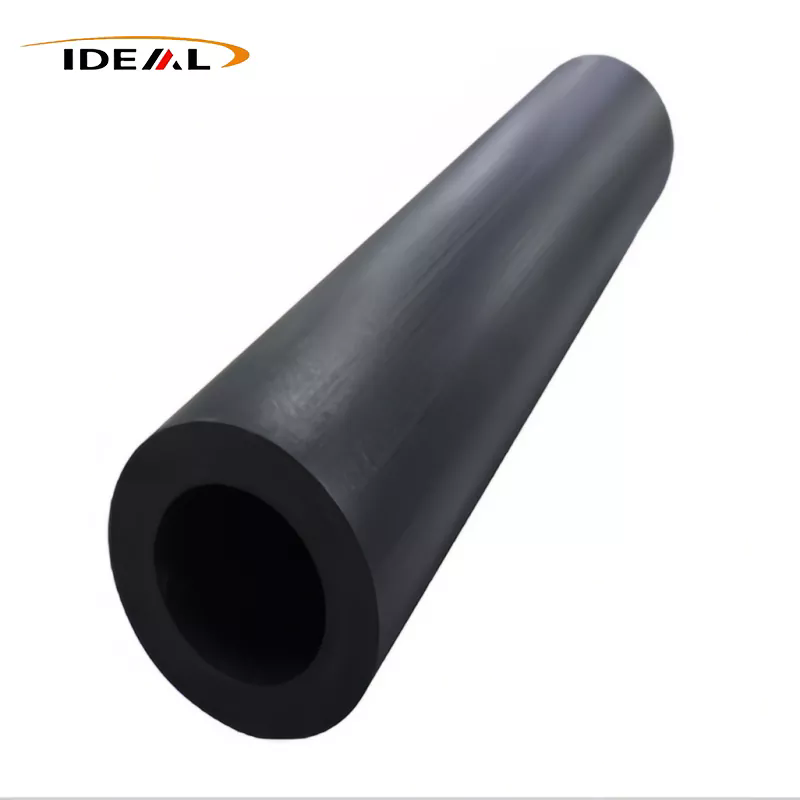
1. Introduction to PEEK Tubes
In modern engineering systems, material selection directly determines operational stability, service life, and safety. Among high-performance polymers, PEEK (Polyether Ether Ketone) stands out due to its exceptional resistance to heat, chemicals, and mechanical stress. PEEK tubes are widely used in industries such as aerospace, semiconductor manufacturing, chemical processing, and medical devices where conventional plastics fail under harsh conditions.
The increasing demand for miniaturization, precision flow systems, and contamination-free environments has made PEEK tubing an essential component in fluid handling and structural applications.
2. What Are PEEK Tubes?
PEEK tubes are extruded cylindrical components made from polyether ether ketone, a high-performance thermoplastic polymer. These tubes are designed to transport liquids, gases, or act as protective conduits in extreme environments.
Unlike standard plastic tubing, PEEK tubes maintain structural integrity under continuous exposure to high temperatures and aggressive chemicals. They are also biocompatible, making them suitable for sensitive medical and analytical systems.
3. Key Properties of PEEK Tubes
The performance advantages of PEEK tubes are derived from their molecular structure and crystalline stability. Below is a summary of their core properties:
|
Property
|
Performance Characteristics
|
|
Temperature Resistance
|
Continuous use up to 250°C, short-term exposure even higher
|
|
Chemical Resistance
|
Resistant to acids, bases, hydrocarbons, and solvents
|
|
Mechanical Strength
|
High tensile strength with excellent fatigue resistance
|
|
Friction Performance
|
Low friction coefficient for smooth fluid transfer
|
|
Biocompatibility
|
Suitable for medical and laboratory applications
|
|
Dimensional Stability
|
Minimal deformation under pressure and heat
|
These properties make PEEK tubing a preferred solution in environments where failure is not an option.
4. Manufacturing Process Overview
The production of PEEK tubes requires precision extrusion technology and strict process control. The raw PEEK resin is melted under high temperature and extruded through a calibrated die to form uniform tubing structures.
-
Raw Material Preparation: High-purity PEEK pellets are dried to eliminate moisture.
-
Extrusion: Material is melted and shaped into continuous tubing.
-
Cooling: Controlled cooling ensures dimensional stability.
-
Cutting & Finishing: Tubes are cut to required lengths and inspected for tolerance.
-
Quality Testing: Pressure, temperature, and chemical resistance tests are conducted.
Companies such as Guangzhou Ideal Plastic Technology Co., Ltd. adopt advanced extrusion systems to ensure consistent quality and performance across different tubing specifications.
5. Industrial Applications
PEEK tubes are widely used across multiple high-tech industries due to their reliability and stability.
-
Semiconductor Industry: Used in ultra-clean chemical delivery systems.
-
Medical Devices: Applied in minimally invasive surgical tools and fluid transfer systems.
-
Aerospace Engineering: Used in hydraulic and fuel systems requiring high thermal resistance.
-
Chemical Processing: Handles corrosive fluids safely.
-
Analytical Instruments: Ensures contamination-free laboratory testing environments.
In each application, PEEK tubes help reduce downtime, improve safety margins, and enhance system efficiency.
6. How to Select the Right PEEK Tube
Choosing the correct PEEK tubing specification requires careful evaluation of operational conditions. Engineers typically consider the following factors:
-
Temperature Range: Ensure compatibility with continuous and peak operating temperatures.
-
Pressure Rating: Confirm tubing can withstand internal system pressure.
-
Chemical Exposure: Match material resistance with fluid composition.
-
Dimensional Requirements: Inner and outer diameter precision is critical for flow control.
-
Compliance Needs: Medical or industrial certification requirements.
Selecting the wrong tubing can lead to premature failure, leakage, or contamination risks in sensitive systems.
7. Material Comparison Table
|
Material
|
Heat Resistance
|
Chemical Resistance
|
Mechanical Strength
|
Typical Use Case
|
|
PEEK
|
Excellent
|
Excellent
|
High
|
High-end industrial systems
|
|
PTFE
|
Good
|
Excellent
|
Moderate
|
Chemical transfer
|
|
PVDF
|
Moderate
|
Good
|
Moderate
|
Water treatment systems
|
|
Polyethylene
|
Low
|
Moderate
|
Low
|
General fluid transport
|
This comparison highlights why PEEK tubes are often selected when performance cannot be compromised.
8. Installation and Maintenance Considerations
Proper installation is essential to maximize the lifespan of PEEK tubing systems. While PEEK is highly durable, incorrect handling can still impact performance.
-
Ensure clean cutting tools to avoid micro-fractures.
-
Avoid excessive bending beyond recommended radius.
-
Use compatible fittings to prevent leakage or stress points.
-
Regularly inspect for wear in high-pressure systems.
Routine maintenance not only extends service life but also ensures system safety and operational consistency.
9. Frequently Asked Questions
Q1: What makes PEEK tubes better than standard plastic tubing?
PEEK tubes offer significantly higher temperature resistance, chemical stability, and mechanical strength compared to conventional plastics.
Q2: Can PEEK tubes be used in medical applications?
Yes, PEEK is biocompatible and widely used in medical devices and laboratory systems.
Q3: Are PEEK tubes suitable for high-pressure systems?
Yes, they maintain dimensional stability and structural integrity under high pressure conditions.
Q4: Do PEEK tubes degrade over time?
They exhibit excellent long-term stability, especially in controlled industrial environments.
Q5: Where can I source reliable PEEK tubes?
Manufacturers such as Guangzhou Ideal Plastic Technology Co., Ltd. provide engineered solutions tailored to industrial requirements.
10. Conclusion
PEEK tubes represent a critical advancement in high-performance polymer engineering, offering unmatched durability, chemical resistance, and thermal stability. Their use across industries such as aerospace, medical technology, and chemical processing demonstrates their versatility and reliability.
For organizations seeking stable and high-quality tubing solutions, partnering with an experienced manufacturer ensures consistent performance and long-term operational efficiency.
Guangzhou Ideal Plastic Technology Co., Ltd. specializes in advanced PEEK tube manufacturing solutions designed to meet demanding industrial standards and customized application requirements.
For tailored specifications, technical consultation, or bulk procurement solutions, contact us to discuss how our PEEK tubing products can support your engineering needs and improve system performance.